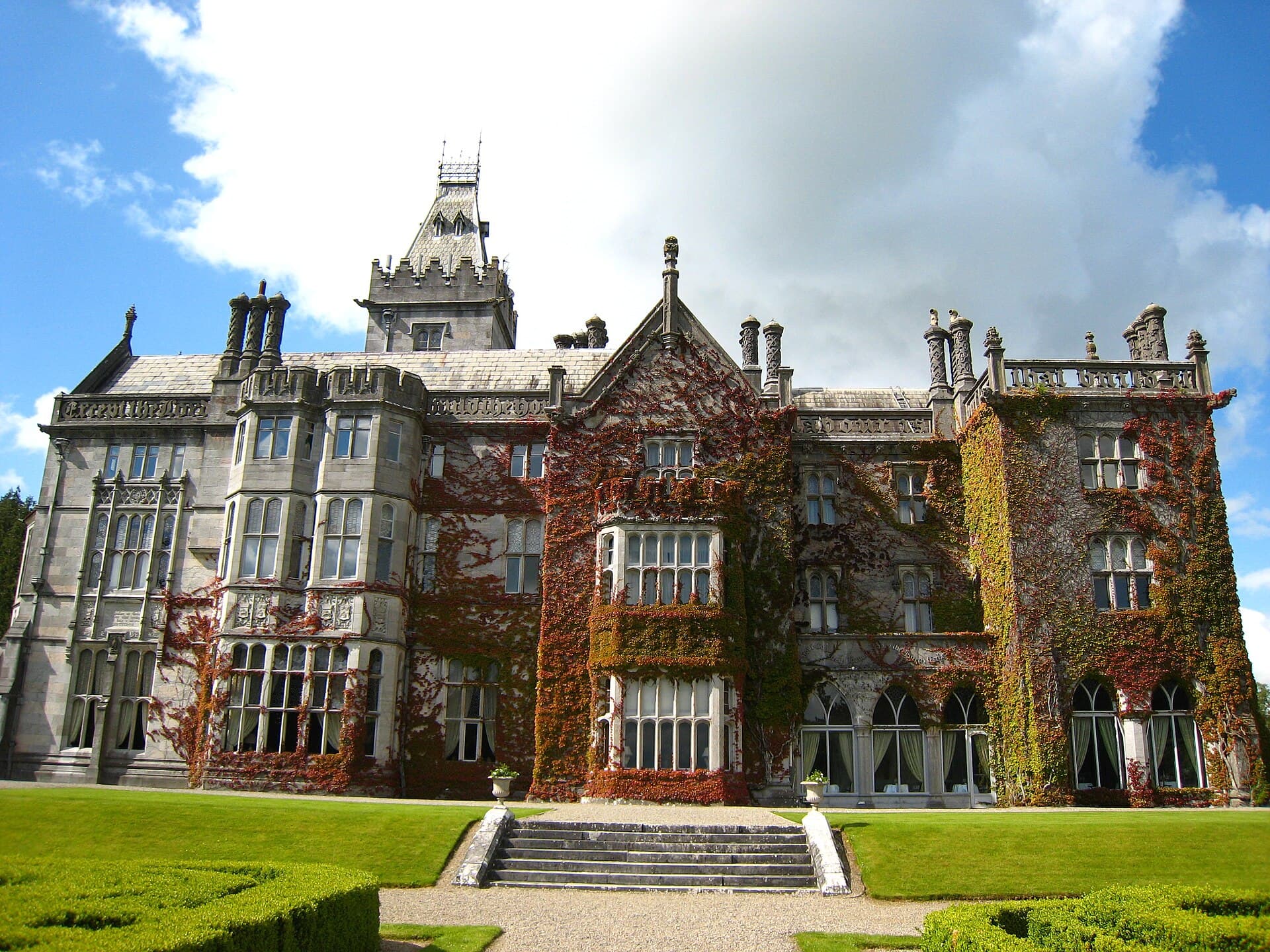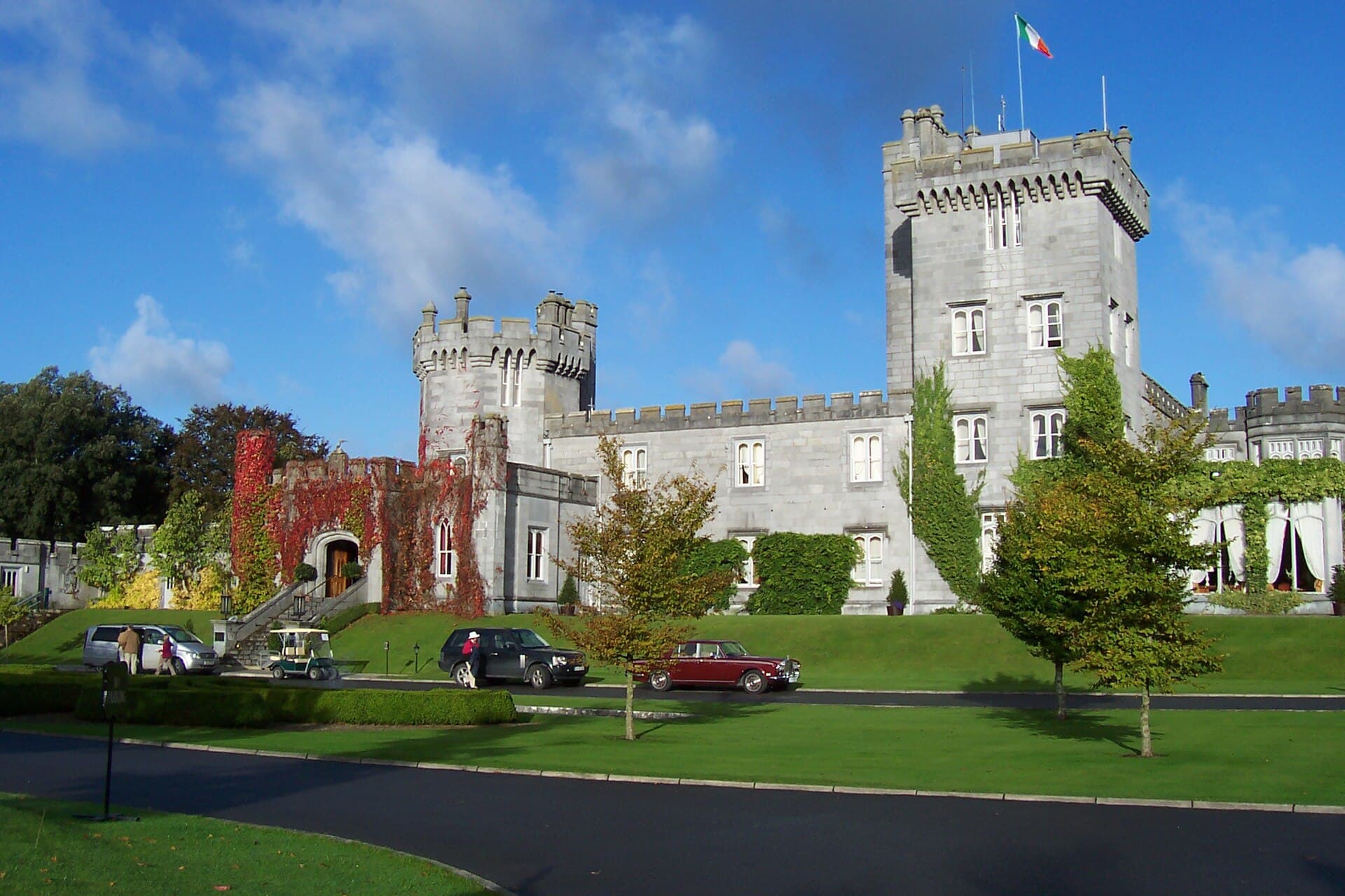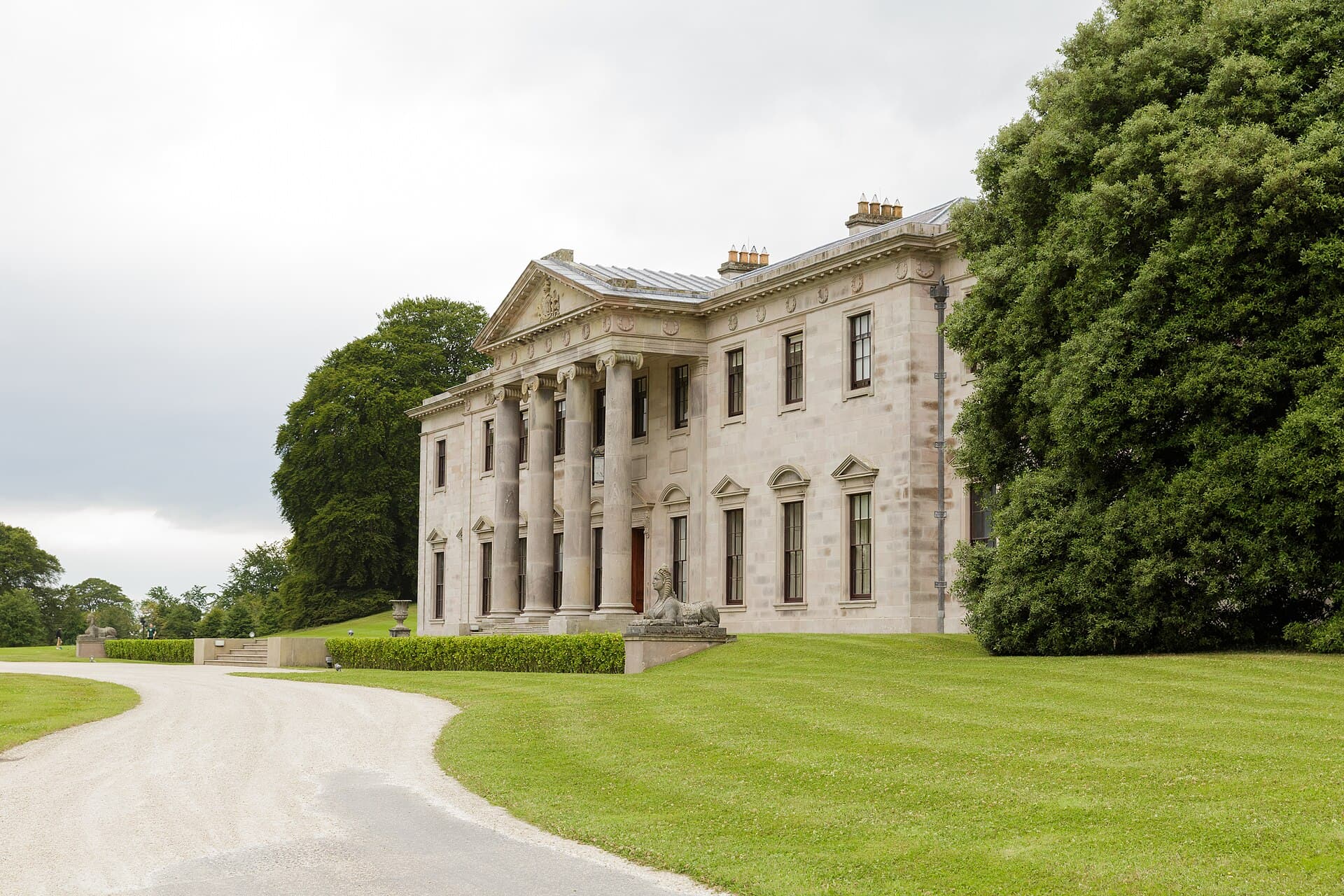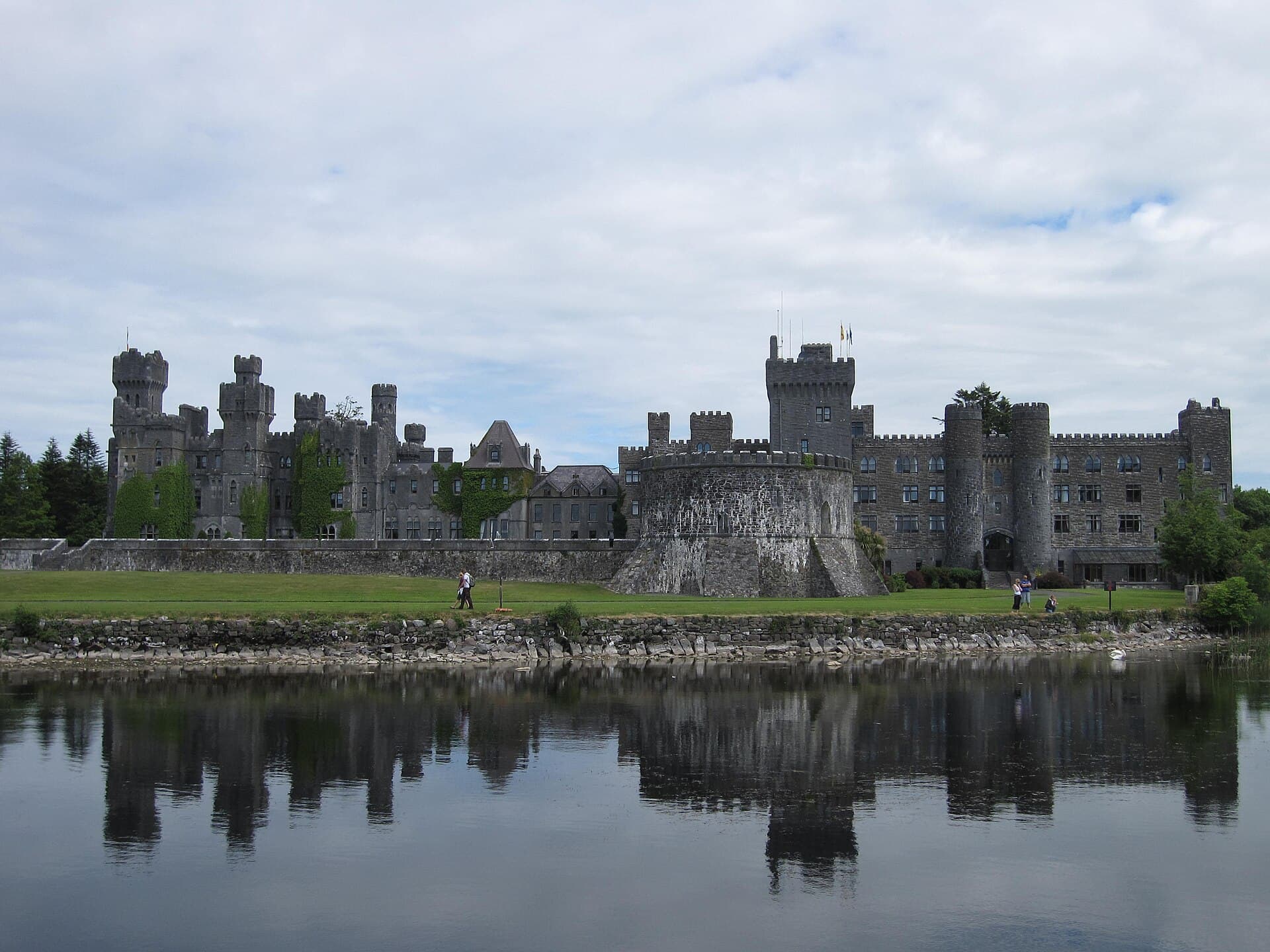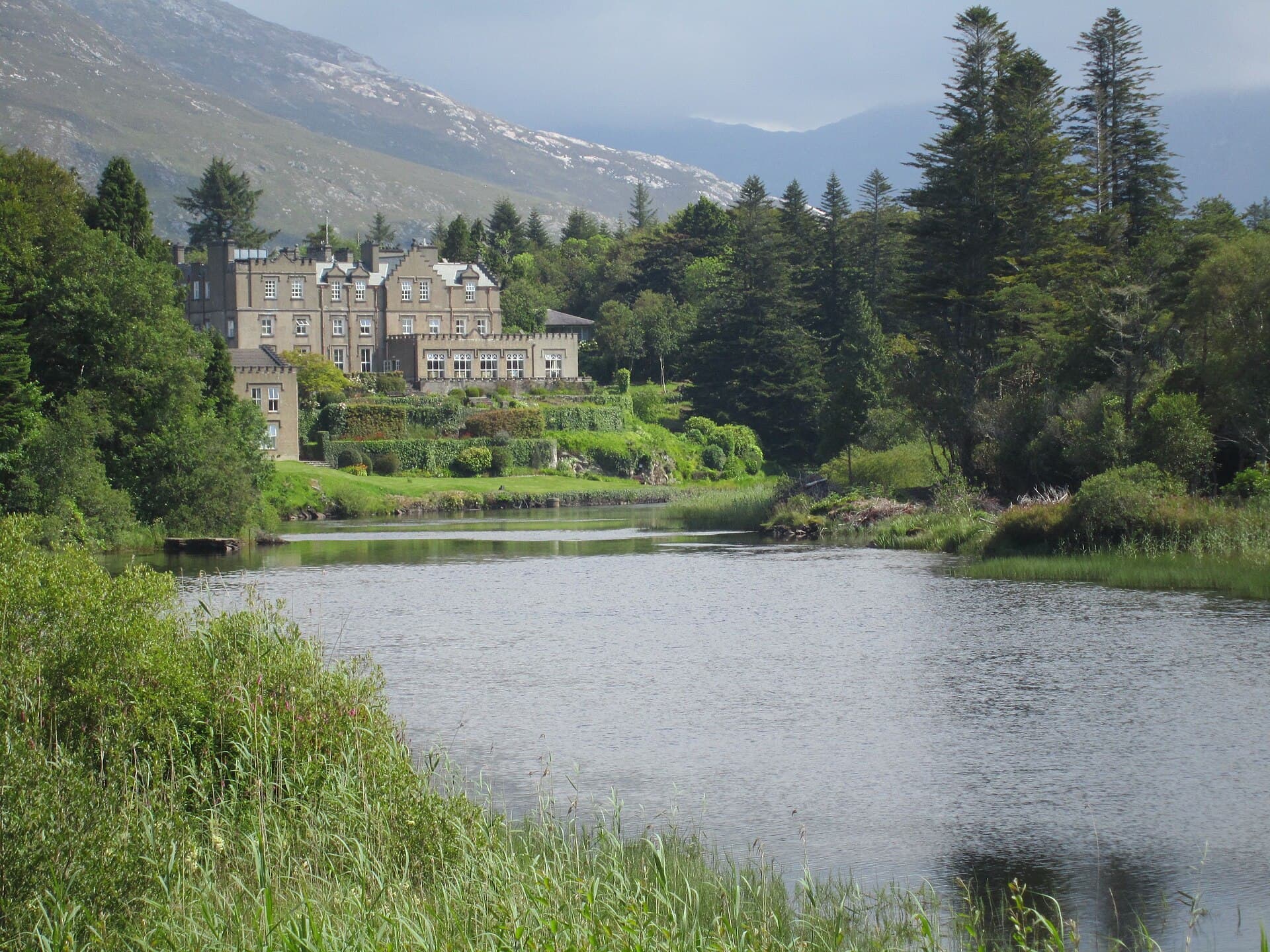
Below the Twelve Bens, in the lake country of Connemara, the Ballynahinch River runs out of Ballynahinch Lake and past the front lawn of a long, castellated house. Ballynahinch Castle Hotel, west of Recess in County Galway, was for generations the home of the Martin family and later the summer retreat of an Indian prince who played cricket for England. It has taken guests since 1946, and its fishery has made it a destination for salmon and sea trout anglers.
History
The land once belonged to the O'Flahertys, who built a tower house on a small island in Ballynahinch Lake; its ruin is still visible from the shore. It is associated with Dónal an Chogaidh O'Flaherty, the first husband of the sea captain Grace O'Malley.
By the eighteenth century the estate had passed to the Martins, whose Connemara holdings formed one of the largest estates in Ireland. The family's most famous member, Richard Martin, born in 1754, sat in Parliament for Galway and secured the 1822 act against cruelty to cattle, one of the first animal welfare laws anywhere. In 1824 he helped found the society that became the RSPCA, and King George IV is said to have given him the nickname Humanity Dick. The Great Famine ruined the family, and the estate was later sold.
In the 1920s the castle was bought by Ranjitsinhji, Maharaja Jam Sahib of Nawanagar, the celebrated batsman who had played Test cricket for England. He spent his summers here fishing until his death in 1933, and his name is still attached to the house. The castle became a hotel in 1946.
Architecture and design
The building is a country house given a castellated profile rather than a true fortress, extended over the centuries, with its principal rooms turned towards the river. Inside, the public rooms are furnished in a country house manner, with open fires, deep armchairs and sitting rooms that look over the water and the woods. The atmosphere owes more to the fishing lodge than to the grand hotel.
Rooms and suites
Bedrooms are spread over the old house and its later wings, and the best of them look over the river and the woods towards the mountains.
Dining
The Owenmore Restaurant overlooks the river and serves Connemara produce, including lamb from the surrounding hills and seafood landed on the nearby coast. The Ranji Room, named after the maharaja, is the bar, and the menus follow the seasons of the estate.
Weddings and events
The castle hosts weddings and private celebrations, and its size and estate setting suit gatherings of family and friends who take over much of the house.
Location
The castle stands within its own estate of woodland, rivers and lakes, west of Recess on the way towards Clifden, the main town of Connemara. Roundstone, a fishing village on the coast, lies to the south, and Connemara National Park and Kylemore Abbey are within easy reach to the north. Trails run through the woods and along the river from the front door, and the fishery covers both the river and a chain of lakes above it. For a luxury hotel in Connemara, few offer so much water and walking on their own land. Irish is still spoken in the Gaeltacht villages along the coast to the south. Galway city is about an hour and a quarter away by car, and Galway station has trains to Dublin.
At a glance
What sets it apart
- 01Private salmon and sea trout fishery on the Ballynahinch River
- 02Former seat of Richard 'Humanity Dick' Martin, born 1754
- 03Summer home of the cricketer Ranjitsinhji until 1933
- 04Ruined O'Flaherty tower on an island in Ballynahinch Lake
- 05Set beneath the Twelve Bens in Connemara
Chronology
Dates that matter
1754
Richard Martin, later known as Humanity Dick, is born into the family that held Ballynahinch.
1822
Martin's act against cruelty to cattle becomes law.
1824
Martin helps found the society that becomes the RSPCA.
1933
Ranjitsinhji, who spent his summers fishing at Ballynahinch, dies.
1946
Ballynahinch Castle opens as a hotel.