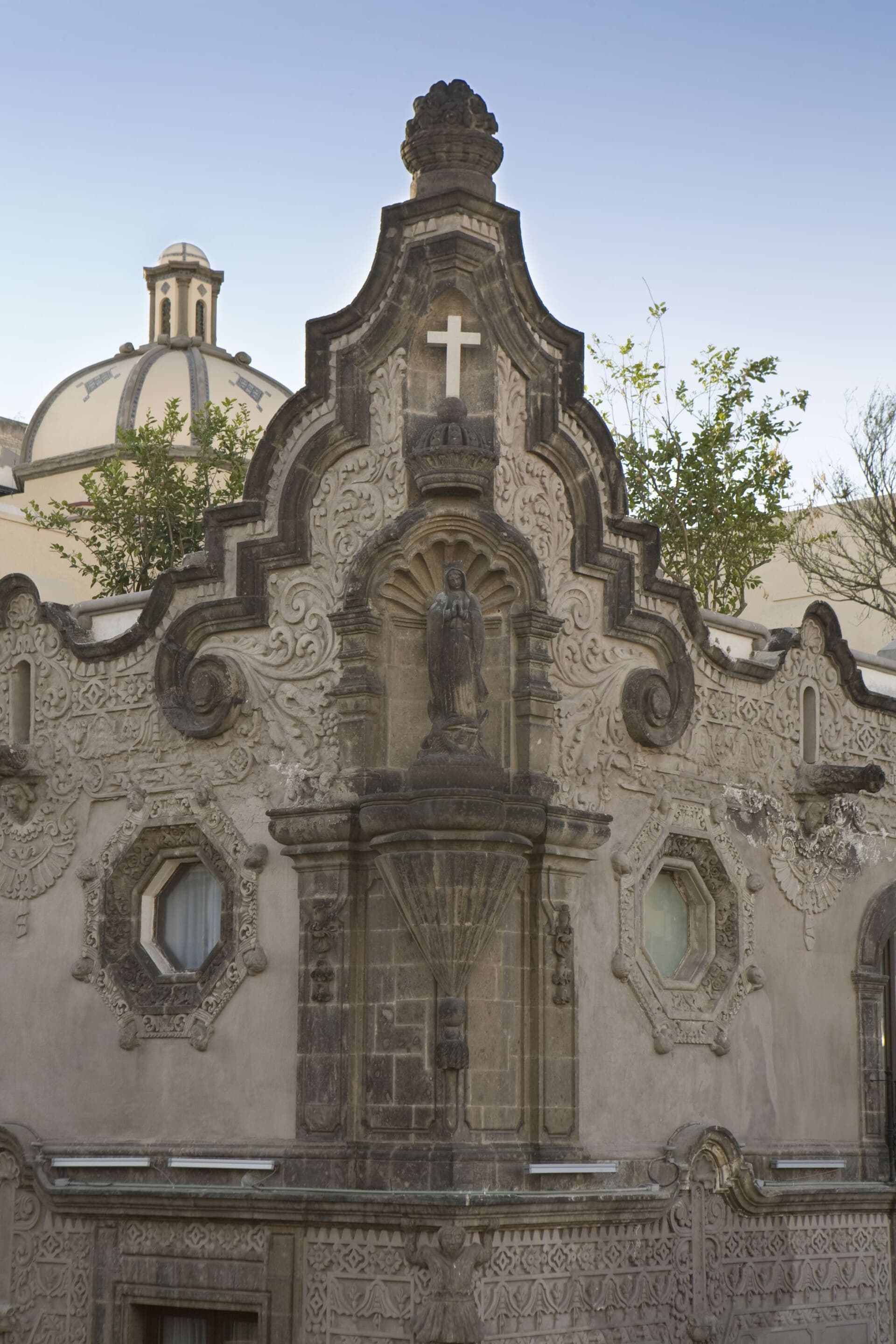
Calle de la Universidad takes its name from the University of Cartagena, which occupies the former Augustinian convent of San Agustín, and on this street three whitewashed houses have been joined into a single hotel. Casa San Agustín opened in 2012 inside the walled city of Cartagena de Indias. It was among the projects that showed how the old merchant houses of the centre could become small hotels without losing their bones.
History
The houses date from the colonial period, when Cartagena was the main Spanish port on the Caribbean coast of South America. The city was founded by Pedro de Heredia in 1533, sacked by Francis Drake in 1586, and then enclosed over the following two centuries by some eleven kilometres of walls and a chain of forts. Fleets carrying silver to Spain gathered here, and the merchants who lived off that trade built houses like these, with thick walls, inner patios and wooden balconies over the street. Through the 19th and 20th centuries the buildings were divided, altered and patched, like much of the old town. The restoration that preceded the hotel's opening uncovered painted decoration on walls and beams, which was conserved and left on view, and it kept a stretch of masonry aqueduct that crosses the property. The walled city and its fortifications were inscribed on the UNESCO World Heritage list in 1984, and the work was carried out under the heritage rules that govern the centre.
Architecture and design
The plan follows the old houses rather than forcing them into one block. Rooms open off galleries and patios, ceilings are high and beamed in dark wood, and thick walls keep the interiors cool through the Caribbean afternoon. The centrepiece is the pool, laid out in the courtyard beneath the arches of the aqueduct, so that swimmers look up at stonework several centuries old. Furnishing is restrained: white walls, wooden floors, linen and pieces by Colombian craftsmen, with the colonial fabric left to set the tone.
Rooms and suites
There are some thirty rooms and suites spread across the three houses, and no two are quite alike, since each follows the shape of the building it occupies. Some have private terraces over the tiled roofs and church towers of the old town, and the larger suites have sitting rooms and deep tubs.
Dining
Alma, the restaurant, cooks the food of Colombia's Caribbean coast with a lighter hand. Expect ceviches of local fish, coconut rice, plantain in several forms and posta cartagenera, the slow-cooked beef in a dark, sweet sauce that belongs to this city. Tables are set indoors and on the patio, and the bar makes good use of Colombian rum and the fruit of the coast.
Weddings and events
Cartagena is one of the most sought-after wedding cities in Latin America, and the hotel's patios suit small receptions, rehearsal dinners and gatherings for families staying in the house. Larger weddings in the walled city usually hold the ceremony in one of the colonial churches nearby, such as the cathedral or San Pedro Claver, and use the hotel for the wedding party's rooms and the smaller events around the main day.
Location
The hotel stands in the historic centre, inside the ring of walls, close to the university, the Plaza de Bolívar and the Palace of the Inquisition. Getsemaní, the old artisans' quarter with its murals and bars, lies just beyond the walls. Rafael Núñez International Airport is about fifteen minutes by car, and boats for the Rosario Islands leave from the Muelle de la Bodeguita on the edge of the old town. For a luxury hotel in Cartagena, the strength of the address is that nearly everything a visitor comes to see lies within walking distance, along streets of balconies and bougainvillea that are best explored early in the morning or after sunset.
At a glance
What sets it apart
- 01Three colonial houses joined on Calle de la Universidad
- 02Courtyard pool beneath an arched stretch of old aqueduct
- 03Painted decoration uncovered and kept during restoration
- 04Alma restaurant cooking dishes of Colombia's Caribbean coast
- 05Inside the walled city, a UNESCO World Heritage site since 1984
Chronology
Dates that matter
1533
Pedro de Heredia founds Cartagena de Indias on the Caribbean coast.
1586
Francis Drake captures and ransoms the city, spurring two centuries of wall and fort building.
1984
The port, fortresses and monuments of Cartagena are inscribed on the UNESCO World Heritage list.
2012
Casa San Agustín opens in three restored colonial houses on Calle de la Universidad.