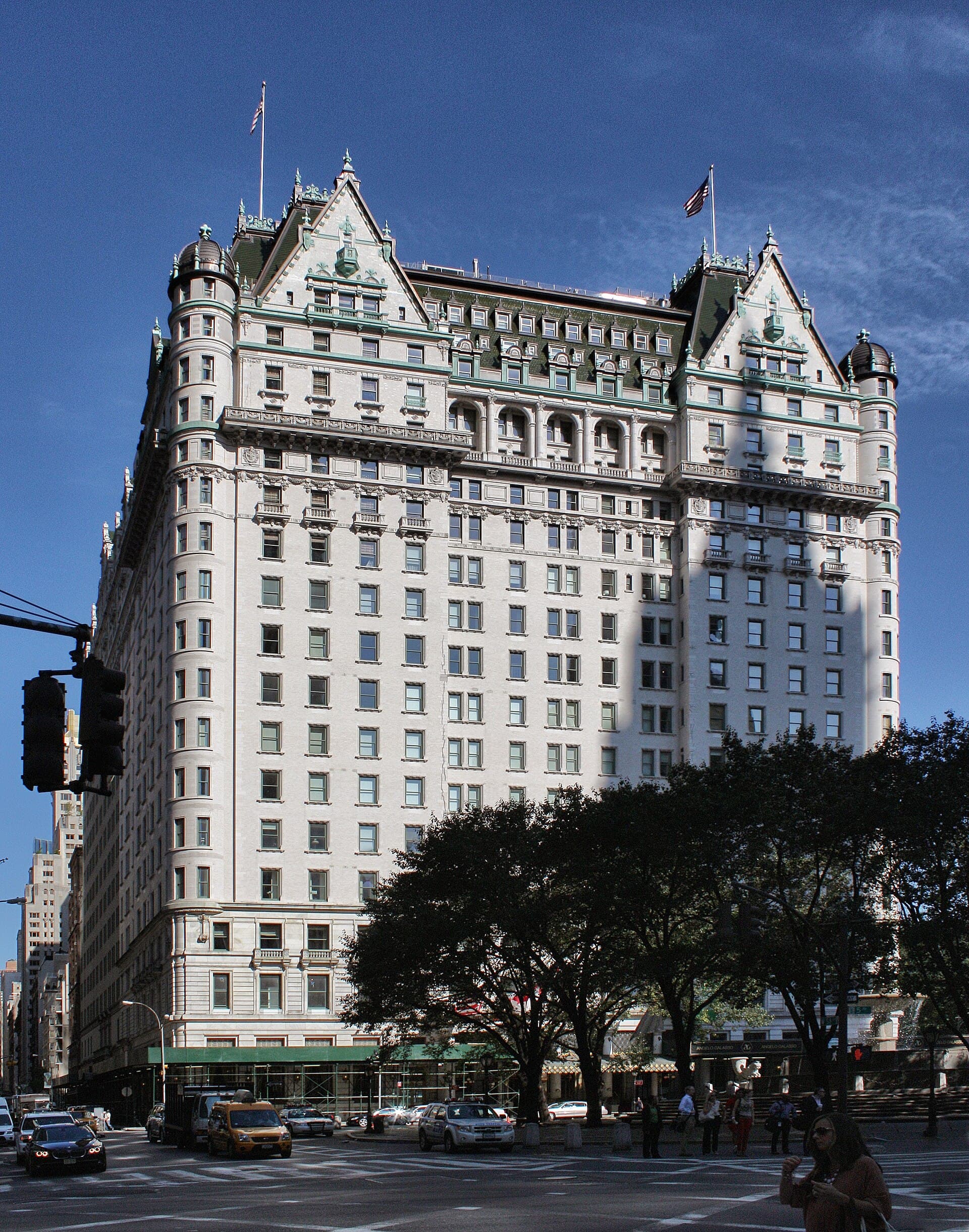
In the summer of 1912 a new hotel opened on Copley Square, on the plot where Boston's Museum of Fine Arts had stood until it moved to the Fenway. Fairmont Copley Plaza was designed by Henry Janeway Hardenbergh, the architect of The Plaza in New York, and it looks across the square at two of the most admired buildings in the country: H. H. Richardson's Trinity Church and McKim, Mead & White's Boston Public Library.
History
The museum left its Copley Square building in 1909 for its new home on Huntington Avenue, and the site was sold for a hotel. The Copley Plaza was conceived as Boston's answer to the grand hotels of New York, and it quickly became the scene of the city's balls, debutante parties and society dinners. It changed owners several times over the century and joined Fairmont in 1996, when it took its present name. A long restoration in the early 2010s brought back much of the original decoration in the public rooms and remade the bedrooms.
The hotel's best-known resident of recent years has had four legs. Catie Copley, a black Labrador, became the hotel's canine ambassador in 2004, greeting guests in the lobby and going on walks with those who asked, and after her the role passed to other dogs.
Architecture and design
Hardenbergh worked with the Boston architect Clarence Blackall on the design. The building is a long, low block of limestone and brick in a restrained Beaux-Arts manner, its facade answering the library across the square rather than competing with it. Inside, the lobby has gilded ceilings and chandeliers, and the corridors lead to function rooms that keep much of their Edwardian decoration.
Rooms and suites
Rooms are decorated in a traditional style suited to the building, with high ceilings and tall windows. Those on the front look over Copley Square to Trinity Church or the library, and they are the ones to ask for. The Fairmont Gold floor has its own lounge and check-in for guests who book it.
Dining
OAK Long Bar + Kitchen occupies the hotel's historic bar and dining room, a high space with dark wood panelling and a long bar that runs much of its length. It serves American food and cocktails through the day and is one of the busiest meeting places in the Back Bay, popular with locals as well as guests.
Weddings and events
The Grand Ballroom, with its gilded ceiling and chandeliers, has been the setting for Boston society weddings and balls since 1912. The Oval Room, with a ceiling painted as an open sky, is a smaller and equally formal room for receptions and dinners. Further function rooms serve meetings, conferences and private events.
Location
Copley Square sits at the heart of the Back Bay, where Boylston Street meets Dartmouth Street. The finish line of the Boston Marathon is painted on Boylston Street beside the square, and Newbury Street, the Prudential Center and the Copley Place shops are all close. The Public Garden and Boston Common lie a little further east along Boylston Street. For a luxury hotel in Boston with this much history in its walls, the setting on the square has few equals. Copley station on the Green Line is at the corner of the square, Back Bay station serves Amtrak and commuter trains, and Logan Airport is a short drive.
At a glance
What sets it apart
- 01Designed by Henry Janeway Hardenbergh with Clarence Blackall, opened 1912
- 02Built on the Copley Square site of the first Museum of Fine Arts
- 03Faces Trinity Church and the Boston Public Library
- 04Grand Ballroom and Oval Room with its painted sky ceiling
- 05Resident canine ambassador since 2004
Chronology
Dates that matter
1909
The Museum of Fine Arts leaves Copley Square for Huntington Avenue, freeing the site.
1912
The Copley Plaza opens on Copley Square to designs by Henry Janeway Hardenbergh.
1996
The hotel joins Fairmont and becomes Fairmont Copley Plaza.
2004
Catie Copley, a black Labrador, becomes the hotel's canine ambassador.