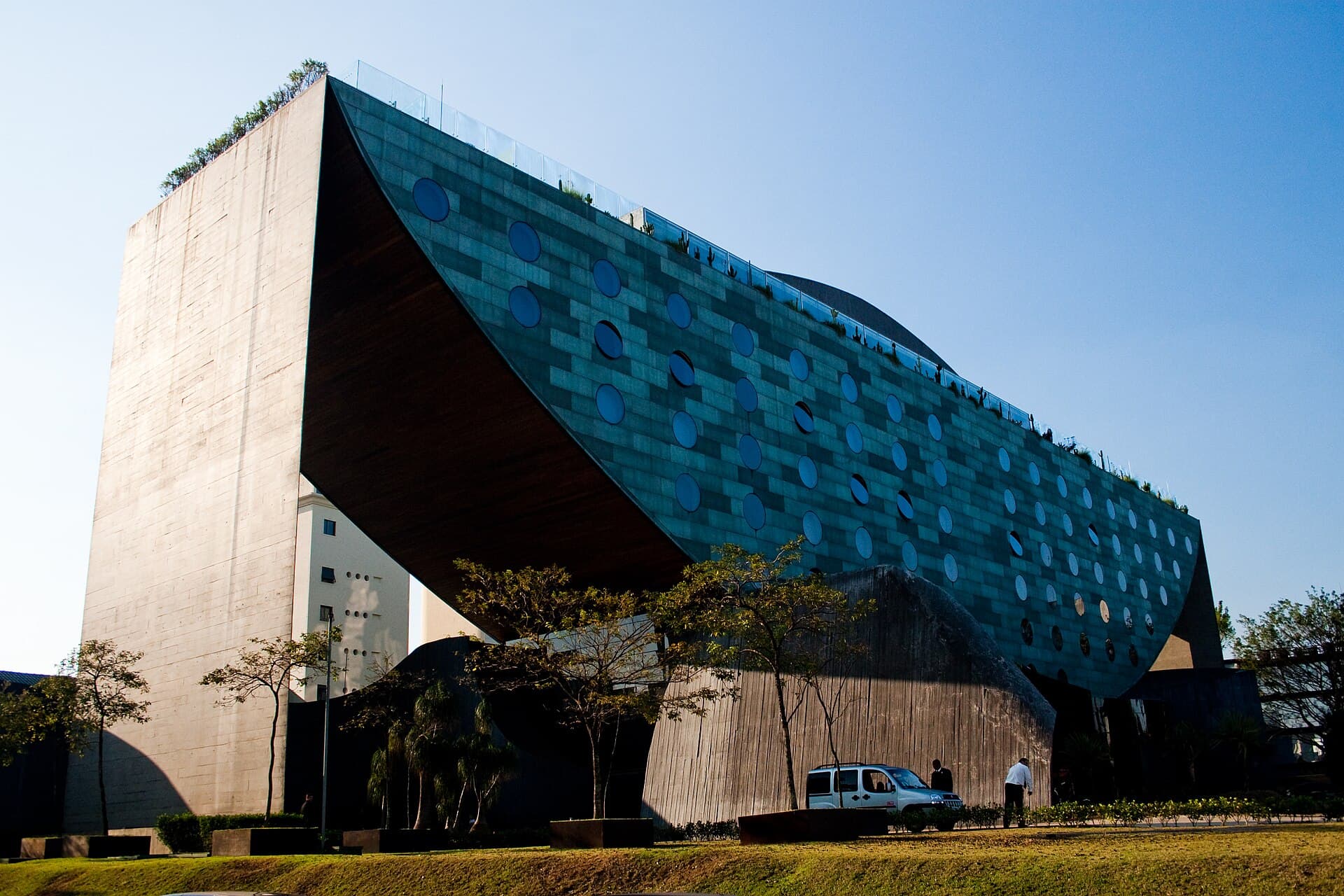
Rua Vittorio Fasano is a short street in Jardins, lined with trees and shopfronts, and it carries the name of an immigrant from Milan who opened the Brasserie Paulista on Praça Antônio Prado, in the centre of São Paulo, in 1902. His great-grandson, Rogério Fasano, opened Fasano São Paulo on that street in 2003. The building, a tower of dark brick in the city's most expensive district, is a luxury hotel in São Paulo planned around the family's restaurant, which had been feeding the city's establishment for two decades before the hotel was built.
History
The Fasano name has belonged to São Paulo's dining rooms for four generations. After Vittorio's brasserie came tea rooms and restaurants run by his descendants through the middle of the twentieth century, and then a long eclipse. Rogério Fasano revived the name in 1982 with the Fasano restaurant, which became one of the city's reference addresses for Italian cooking, and the hotel followed twenty-one years later.
The hotel set the pattern for a group. Fasano Rio de Janeiro opened on the seafront at Ipanema in 2007, with interiors by Philippe Starck, and Fasano Las Piedras followed near Punta del Este, in Uruguay. The company formed a partnership with the São Paulo developer JHSF, which took control of the brand, and further hotels opened in Brazil and abroad, among them Fasano Fifth Avenue in New York.
Architecture and design
Isay Weinfeld and Marcio Kogan, two São Paulo architects who share a taste for modernist restraint, designed the building and its interiors together. The brick exterior recalls the industrial buildings of the city's early twentieth century, and the interior works in dark wood, leather, stone and low light, closer to a private club of the 1940s than to a contemporary hotel. The lobby is long, hushed and sparsely furnished, with little in it that could be called decoration. The building does not announce itself to the street, and that reticence is the point: São Paulo's rich have long preferred discretion to display.
Rooms and suites
The rooms occupy the floors above the restaurants, and their large windows look over the low roofs and trees of Jardins towards the towers of Avenida Paulista. They continue the style of the public spaces, with wood, leather, neutral fabrics and bathrooms in stone.
Dining
Fasano, the restaurant, is the family's flagship and the hotel's centre of gravity: northern Italian cooking, a long Italian wine list, white tablecloths and formal service in a high room. Nonno Ruggero, named after Rogério's grandfather, serves breakfast and lighter Italian meals. Baretto, the small panelled bar off the lobby, has live music most nights, jazz and Brazilian standards around a piano, and it has its own following among the city's late crowd.
Wellness
The pool is on the top floor, under glass, and looks out over the city. A spa and a gym share the floor with it, and the view of the skyline at dusk is one of the hotel's quiet pleasures.
Location
Jardins began as a garden suburb. Jardim América, its first part, was laid out in the 1910s for the Companhia City by the English planners Barry Parker and Raymond Unwin, and the leafy streets around it became São Paulo's address for designer shops, galleries and restaurants. Rua Oscar Freire and Rua Haddock Lobo are steps from the hotel. Avenida Paulista, with MASP, Lina Bo Bardi's museum raised on its red concrete frame, is about fifteen minutes on foot, and Ibirapuera Park, with Oscar Niemeyer's pavilions, is a short taxi ride. Guarulhos International Airport lies about 30 kilometres north-east of the centre, an hour or more by road in traffic, and Congonhas, the domestic airport, is closer. Helicopters are common in São Paulo, and many of the hotel's regular guests use them to skip the roads.
At a glance
What sets it apart
- 01Opened in 2003 on Rua Vittorio Fasano in Jardins
- 02Building and interiors by Isay Weinfeld and Marcio Kogan
- 03Fasano restaurant, the family's Italian flagship since 1982
- 04Baretto bar with live music most nights
- 05Glass-covered pool on the top floor
Chronology
Dates that matter
1902
Vittorio Fasano, an immigrant from Milan, opens the Brasserie Paulista on Praça Antônio Prado.
1982
Rogério Fasano revives the family name with the Fasano restaurant.
2003
Fasano São Paulo opens in Jardins, designed by Isay Weinfeld and Marcio Kogan.
2007
Fasano Rio de Janeiro opens at Ipanema, with interiors by Philippe Starck.