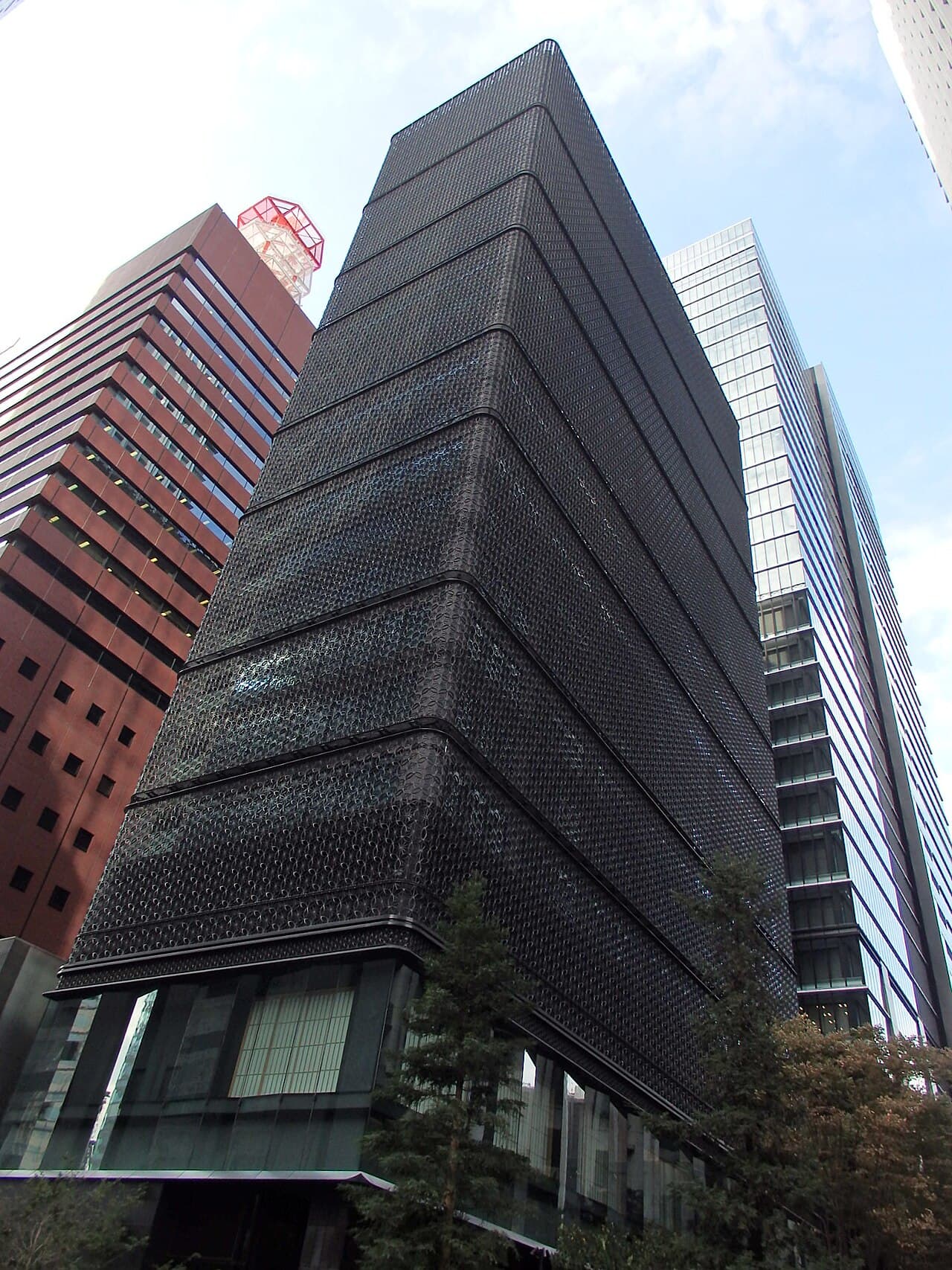
A guest at Hoshinoya Tokyo leaves their shoes in a cedar locker at the entrance and does not put them on again until they go out. That single rule, applied in a 17-storey tower among the banks of Otemachi, tells you what Hoshino Resorts set out to do when the hotel opened on 1 July 2016: build a traditional Japanese inn in the financial heart of Tokyo, with nothing diluted for the location.
History
Hoshino Resorts began as a hot-spring inn in Karuizawa in 1914 and is run by Yoshiharu Hoshino, the founder's great-grandson. Hoshinoya is its top brand, started at Karuizawa in 2005. The Tokyo house was the first Hoshinoya in a city and the first new ryokan in central Tokyo for decades. The site was offered as part of the redevelopment of Otemachi, and the company drilled a well 1,500 metres deep to find hot water, which gives the hotel a genuine onsen in a district of office towers.
Architecture and design
The architect was Rie Azuma of Azuma Architect & Associates, who has designed most Hoshinoya properties. The facade is a dark metal lattice cut in an Edo komon pattern, the small repeating motif of Edo-period kimono, so that from the street the building reads as a patterned screen rather than a glass tower. Inside, every floor is laid with tatami, including the corridors and lifts. Each of the 14 guest floors has six rooms and an ochanoma lounge, a shared tea room where guests take tea, sake and seasonal snacks at any hour.
Rooms and suites
There are 84 rooms, all tatami-floored, with shoji screens, low furniture and bathrooms of hinoki wood and stone. Beds are low Western-style frames rather than futons, a concession to international guests. Yukata are provided and worn throughout the hotel. The largest rooms, on the corners, have a sitting area beside a window of shoji that filters the city light.
Dining
The restaurant, in the basement, serves a French-trained kitchen's reading of Japanese ingredients, built around seafood and seasonal vegetables, as a tasting menu at dinner. Breakfast can be taken in the room, with a choice of a Japanese tray or a Western plate.
Wellness
The baths are on the 17th floor. Water from the Otemachi well, salty and brown, fills indoor pools that lead under a wall into an open-air bath beneath a square of sky framed by the tower's walls. Men and women bathe separately, in the Japanese manner. A spa offers treatments in private rooms, and the hotel organises morning exercises and seasonal cultural activities for guests, including sword demonstrations and tea.
Weddings and events
Hoshinoya Tokyo does not run a banqueting operation and has no ballroom. Private dinners for small groups can be arranged in the restaurant, and the ochanoma lounges are for residents of each floor only.
Location
The hotel stands on a corner in Otemachi, 1-chome, across the moat from the Imperial Palace East Gardens. Otemachi Station, with five subway lines, is underneath the district, and Tokyo Station is about ten minutes on foot. The Marunouchi office district and its shops lie between the hotel and the station, and Nihonbashi bridge, the zero point of Japan's road network, is a short walk to the east. Haneda Airport is 30 to 40 minutes by car and Narita a little over an hour. For a luxury hotel in Tokyo, it is exceptionally quiet at night, because the surrounding towers empty when the offices close.
At a glance
What sets it apart
- 0117-storey ryokan opened July 2016 in the Otemachi business district
- 02Facade lattice in an Edo komon kimono pattern by Rie Azuma
- 0384 tatami rooms, six per floor, each floor with an ochanoma lounge
- 04Rooftop hot-spring baths fed from a 1,500-metre well
- 05Shoes removed at the entrance for the whole stay
Chronology
Dates that matter
1914
Hoshino Resorts begins as a hot-spring inn in Karuizawa.
2005
The first Hoshinoya opens in Karuizawa.
2016
Hoshinoya Tokyo opens on 1 July in Otemachi, the brand's first urban property.