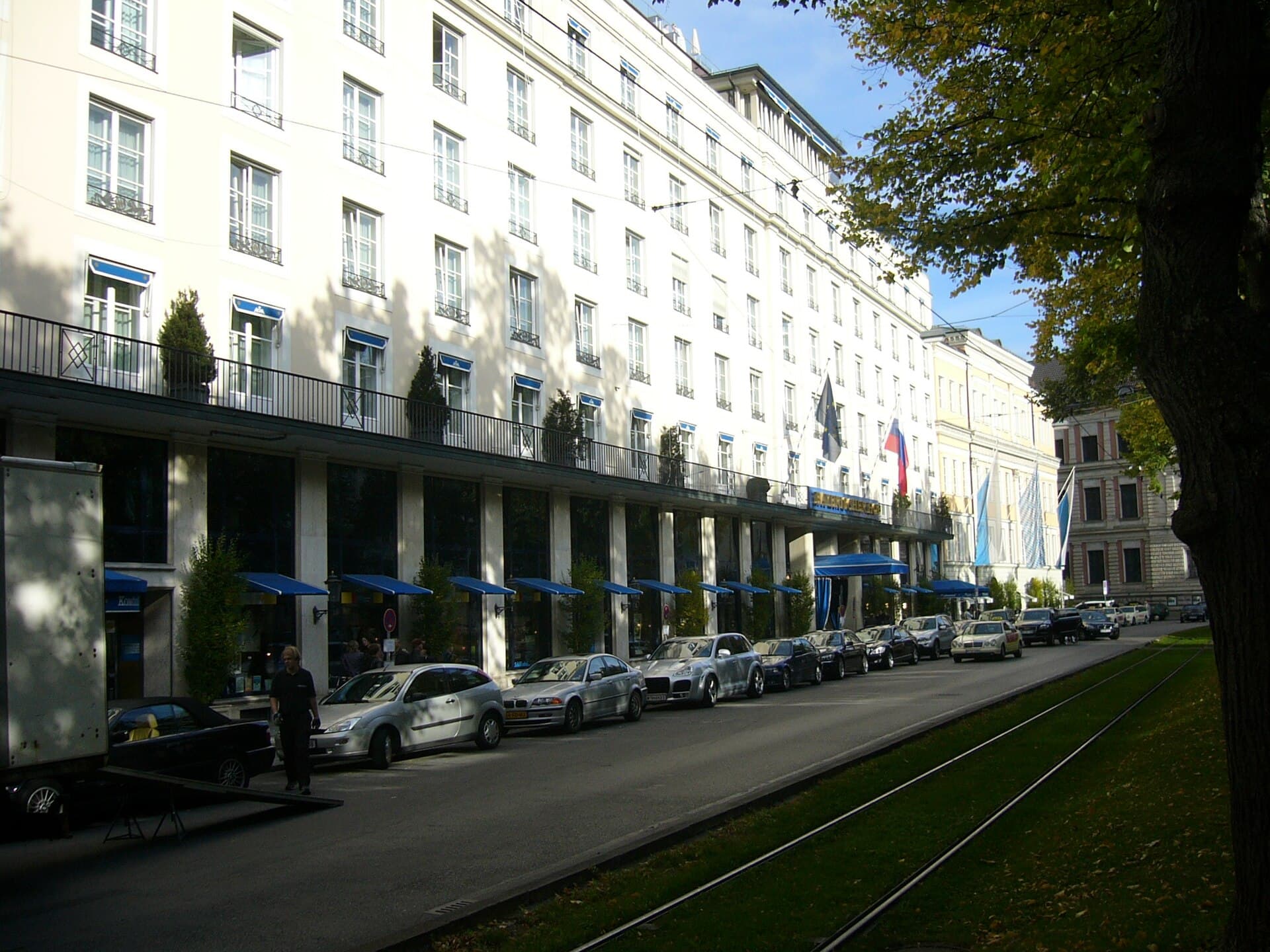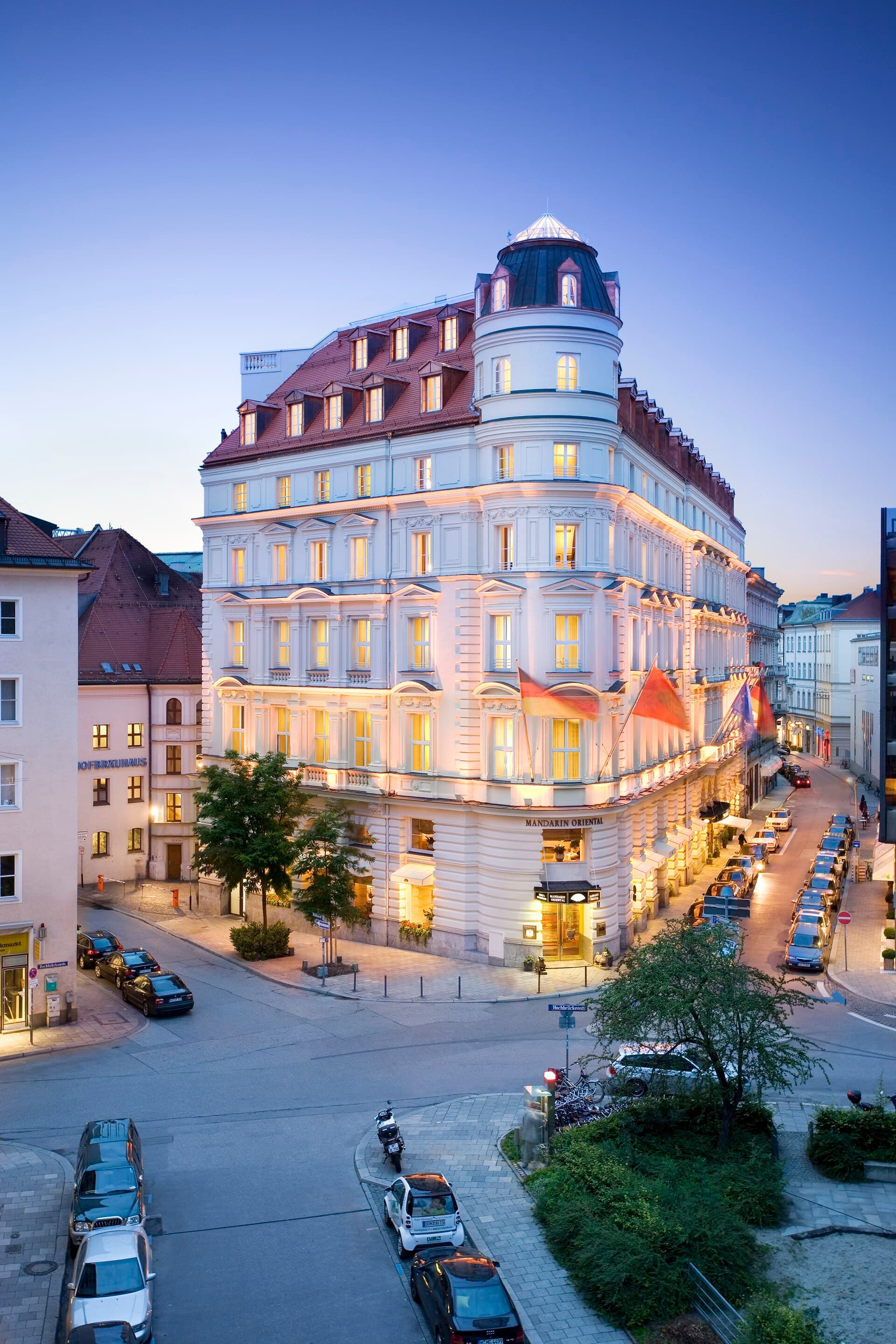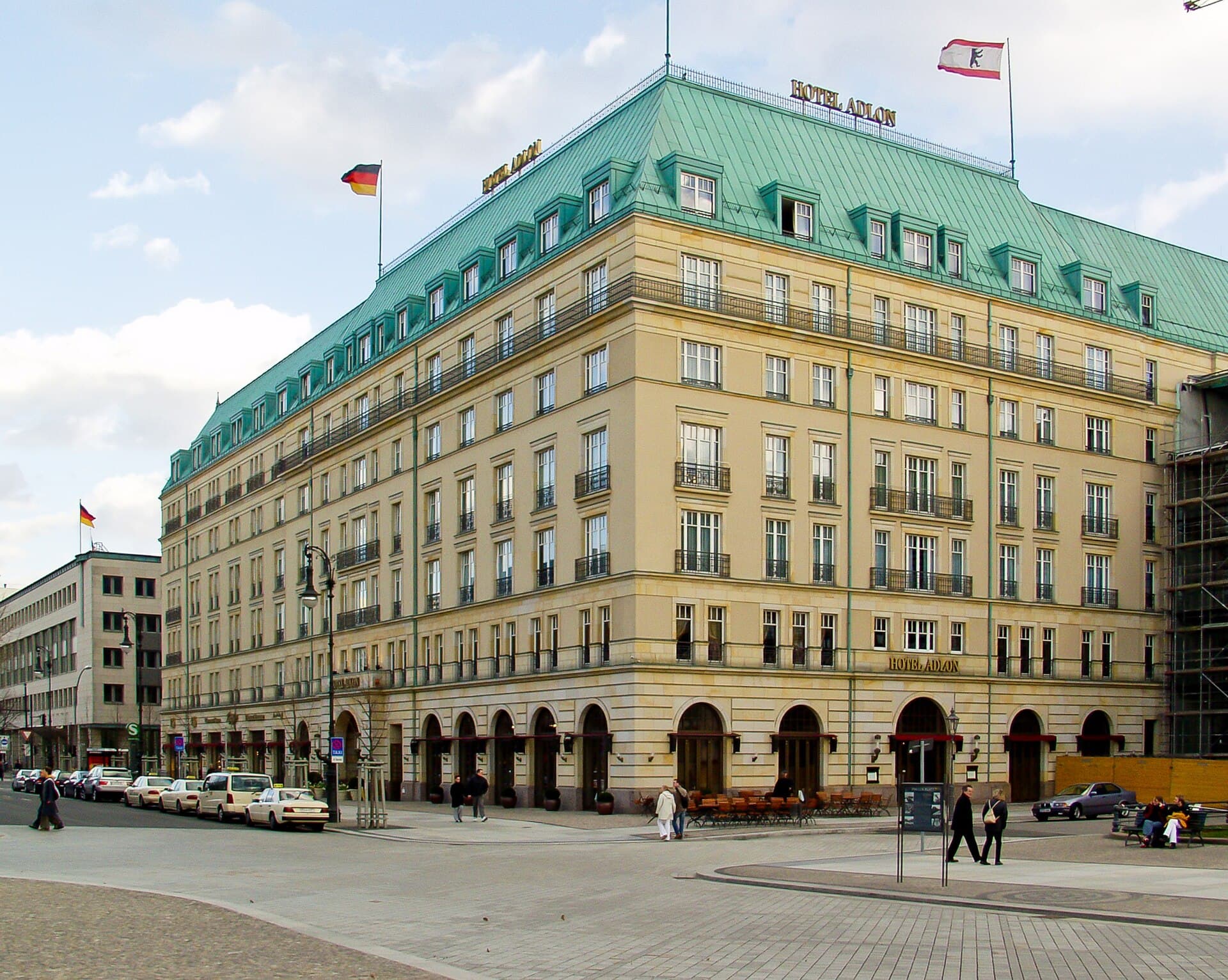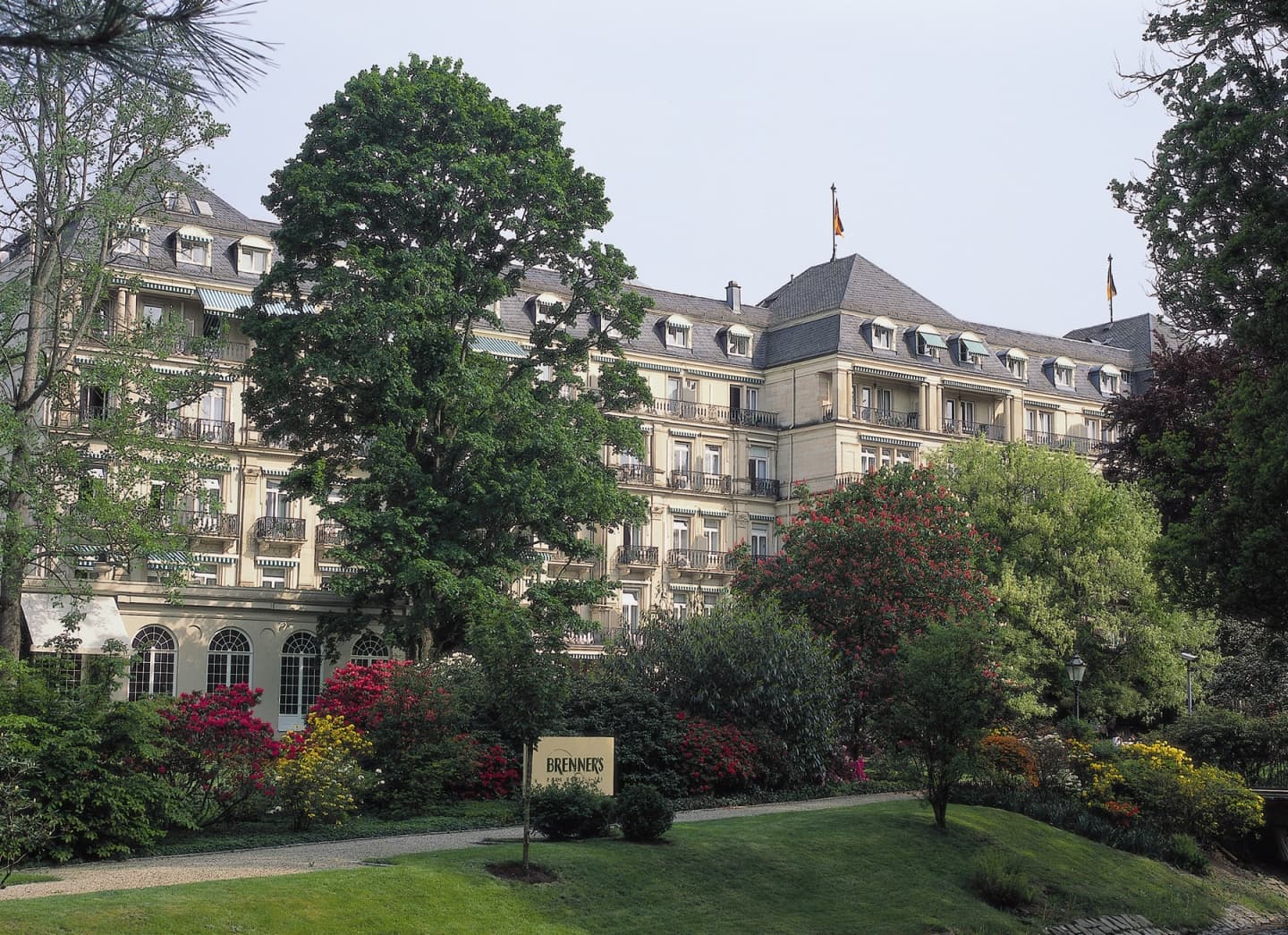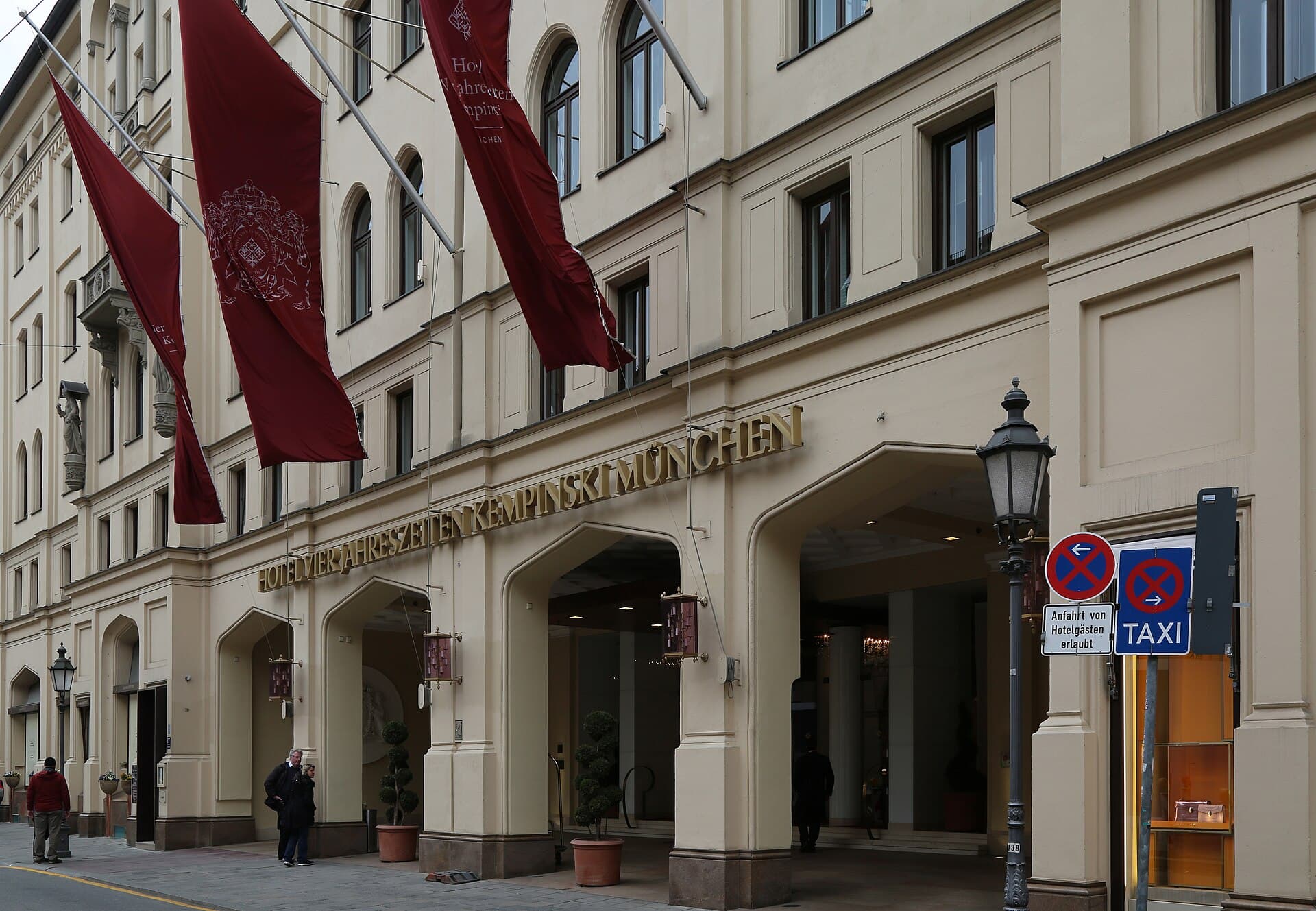
Maximilianstrasse was still half built when the Hotel Vier Jahreszeiten Kempinski München opened on it in 1858. King Maximilian II of Bavaria had laid out the boulevard from the Residenz towards the Isar as the showpiece of his reign, and a hotel of rank was part of the scheme: the architect Rudolf Gottgetreu designed it in the Maximilianstil the street gave its name to. More than 160 years later the building still faces the Kammerspiele theatre across the street and still trades as a luxury hotel in Munich under the name of the four seasons.
History
The hotel opened in the summer of 1858, within months of the first houses on the street. For much of the twentieth century it belonged to the Walterspiel family, and Alfred Walterspiel's kitchen made the dining room one of the most respected in Germany between the wars. Bombing in 1944 gutted much of the building; the Walterspiels rebuilt after the war and sold to Kempinski in 1970, which has run it since. Kempinski's own history began in Berlin in 1897, and the Munich house is among the oldest in its collection.
Architecture and design
Gottgetreu's facade follows the brief Maximilian gave his street: pointed arches and vertical piers in a style that borrowed from English Gothic and the Renaissance in equal measure, which critics of the day disliked and the king insisted upon. Inside, the lobby rises to a stained-glass dome, and the public rooms keep their stucco and chandeliers. The guest floors have been renovated in stages during the Kempinski years, and a glass-roofed pool was added on the top floor, with a terrace that looks over the roofs of the old town towards the towers of the Frauenkirche.
Rooms and suites
The 298 rooms and suites divide between the street side, where the windows face the Kammerspiele and the boutiques of Maximilianstrasse, and the quieter rear overlooking the courtyard. Decoration varies by floor and by renovation campaign: some rooms keep a traditional scheme with heavy fabrics and dark wood, others carry the lighter, contemporary look of the most recent works. The largest suites are on the upper floors.
Dining
Schwarzreiter, the main restaurant, serves what its kitchen calls young Bavarian cooking and holds a Michelin star; the adjoining Schwarzreiter Tagesbar is its daytime, less formal counterpart. The Jahreszeiten Bar on the ground floor, a long room of dark wood, serves afternoon tea in the afternoon and a bar menu late into the night. Breakfast is served to hotel guests in a dedicated room off the lobby.
Wellness
The pool on the top floor sits under a glass roof and opens onto a terrace in summer; beside it are a sauna, a steam room and a gym open to all guests.
Weddings and events
The hotel has a ballroom and a run of smaller salons for dinners, meetings and weddings. Its position on Maximilianstrasse, next door to the Residenz and the Nationaltheater, makes it a regular address for receptions around the opera festival in July and for company events during the trade-fair season.
Location
Maximilianstrasse 17 lies between the Residenz and the Maximilianeum, the Bavarian parliament building that closes the view at the far end of the street across the Isar. The Nationaltheater and the Residenz are at the near end, three minutes on foot, and Marienplatz is ten. Lehel station on the U4 and U5 is the nearest underground stop; the Hauptbahnhof is about 2.5 kilometres west, and Munich airport some 40 kilometres to the north-east, 40 minutes by S-Bahn. During the Oktoberfest in late September the Theresienwiese is 3 kilometres away and the hotel fills early.
At a glance
What sets it apart
- 01Opened 1858 on Maximilianstrasse, built by Rudolf Gottgetreu in the Maximilianstil
- 02Owned by the Walterspiel family for much of the 20th century, Kempinski since 1970
- 03Rooftop pool under a glass roof with a terrace over the old town
- 04Schwarzreiter restaurant with a Michelin star for Bavarian cooking
- 05298 rooms and suites between the Residenz and the Maximilianeum
Chronology
Dates that matter
1858
The hotel opens on the half-built Maximilianstrasse, designed by Rudolf Gottgetreu.
1897
Kempinski, the hotel's future owner, is founded in Berlin.
1944
Allied bombing destroys much of the building; the Walterspiel family rebuilds after the war.
1970
Kempinski buys the hotel from the Walterspiel family.