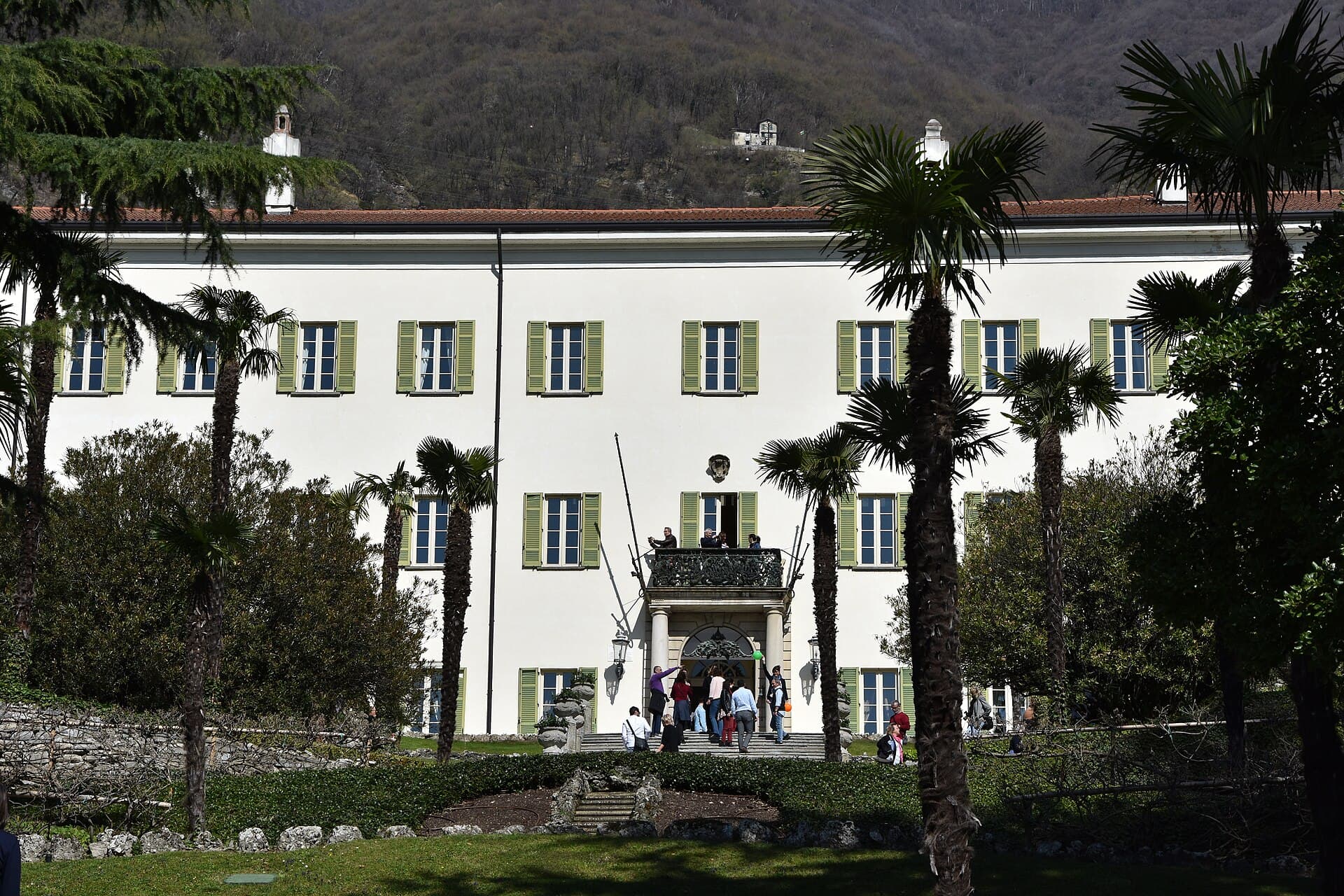
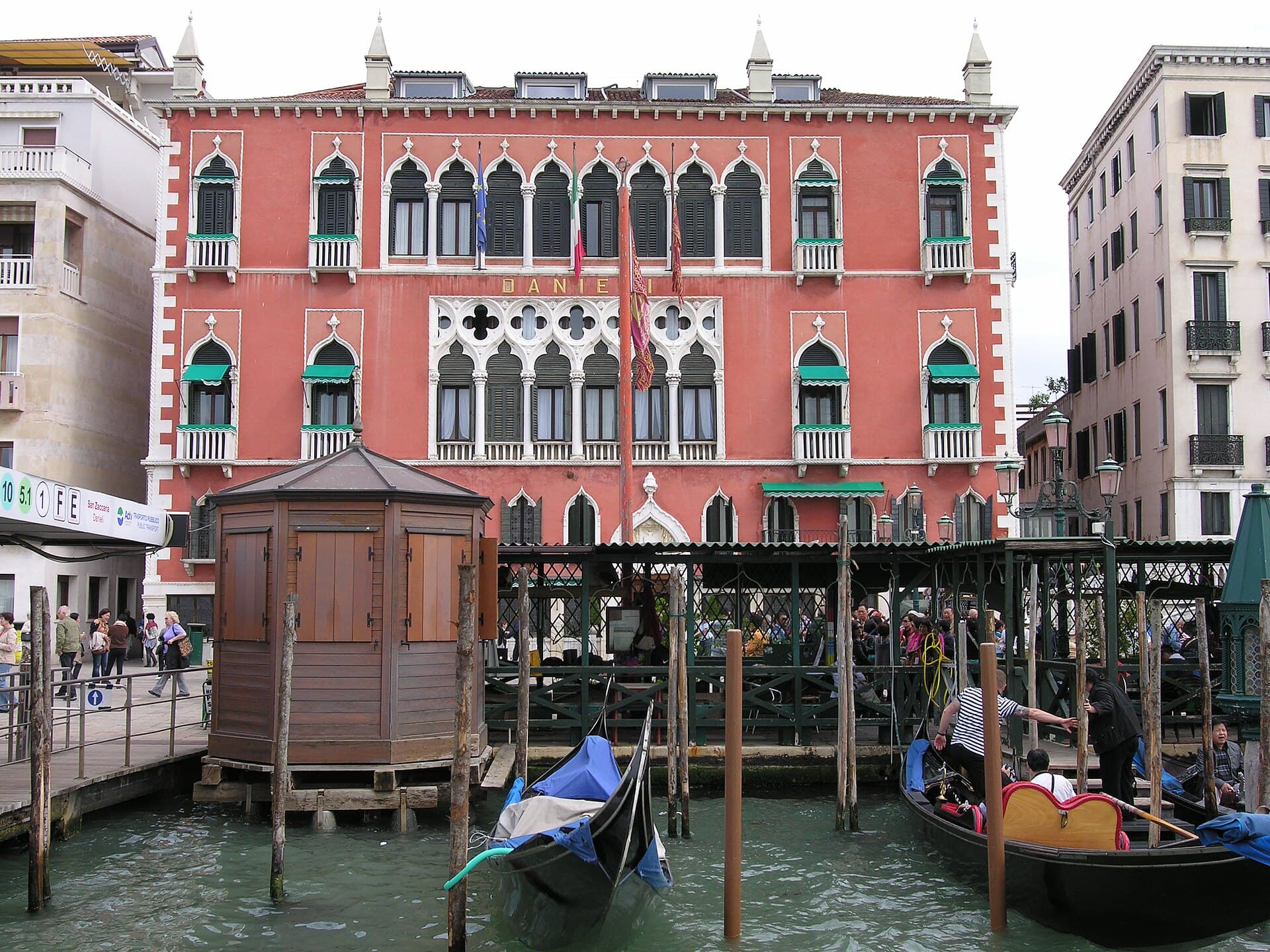
In 1951 the four Sersale siblings turned their family's eighteenth-century summer house on Via Cristoforo Colombo into a hotel with a dozen rooms, painted the deep red that still marks it out among the white houses of Positano. They called it Le Sirenuse after the three small islands offshore, Li Galli, where the sirens of the Odyssey were said to have sung. Seventy-odd years later the hotel has 58 rooms and the family is still at the door.
History
John Steinbeck stayed in 1953 and wrote the article for Harper's Bazaar that introduced Positano to American readers; the hotel has quoted him ever since. Franco Sersale ran Le Sirenuse for decades after the war, filling it with antiques and ceramics bought across southern Italy. His son Antonio and Antonio's wife Carla have led it since the 1990s, adding bars, a spa and a programme of commissioned contemporary art that includes a neon by Martin Creed on the facade. Antonio's sister Marina co-founded the fragrance house Eau d'Italie, whose first scent was made for the hotel's rooms, and Carla launched the clothing line Emporio Sirenuse from a shop beside the entrance.
Architecture and design
The house steps down the hillside in terraces, each with a different view of the bay and the dome of Santa Maria Assunta below. White arches, vaulted ceilings and floors of hand-painted Vietri tiles run through the public rooms; the furniture is Neapolitan and antique rather than designed. The pool sits on a terrace halfway down, with the Champagne & Oyster Bar beside it. Every new element has been slipped into the old fabric so that the hotel still reads as a single house.
Rooms and suites
The 58 rooms and suites nearly all face the sea, with terraces or balconies, tiled floors, and beds dressed in white linen. The larger suites have sitting rooms and double terraces on the top floors; the smallest rooms, towards the back, are the only ones without a direct view. Bathrooms are tiled in the same Vietri ceramics as the floors.
Dining
La Sponda, the restaurant, is lit each evening by four hundred candles and has held a Michelin star. The cooking is Campanian, with pasta, seafood and lemon from the coast. Aldo's Bar, named after one of the founding siblings, serves breakfast and lunch on the terrace below; Franco's Bar, opened in 2015 and named after Franco Sersale, is a cocktail bar on a terrace of its own with no food and the best sunset in the house. The Champagne & Oyster Bar by the pool rounds out the day.
Wellness
A small spa with a handful of treatment rooms and a gym sits within the hotel, and the pool terrace serves as the main place to spend a hot afternoon. Boats can be arranged for the day to Capri or along the coast.
Weddings and events
Le Sirenuse hosts small weddings and private dinners on its terraces and in La Sponda, where the candlelit room is the setting most couples ask for. The hotel is too small for large receptions, and events are planned around the house's other guests rather than taking it over.
Location
Via Cristoforo Colombo runs along the hillside above Positano's main beach, the Spiaggia Grande, and the hotel sits a few minutes' walk above the church and the pier. Naples Capodichino airport is about an hour and a half by road, Sorrento station about an hour, and in summer ferries from the pier reach Capri, Amalfi and Sorrento. A luxury hotel in Positano with the family that built it still in charge is rarer than it should be.
At a glance
What sets it apart
- 01Eighteenth-century Sersale summer house, a hotel since 1951
- 0258 rooms and suites, nearly all facing the sea with terraces
- 03La Sponda restaurant lit by four hundred candles each evening
- 04Franco's Bar, opened 2015, a sunset cocktail terrace without food
- 05Run by Antonio and Carla Sersale, third generation of the founding family