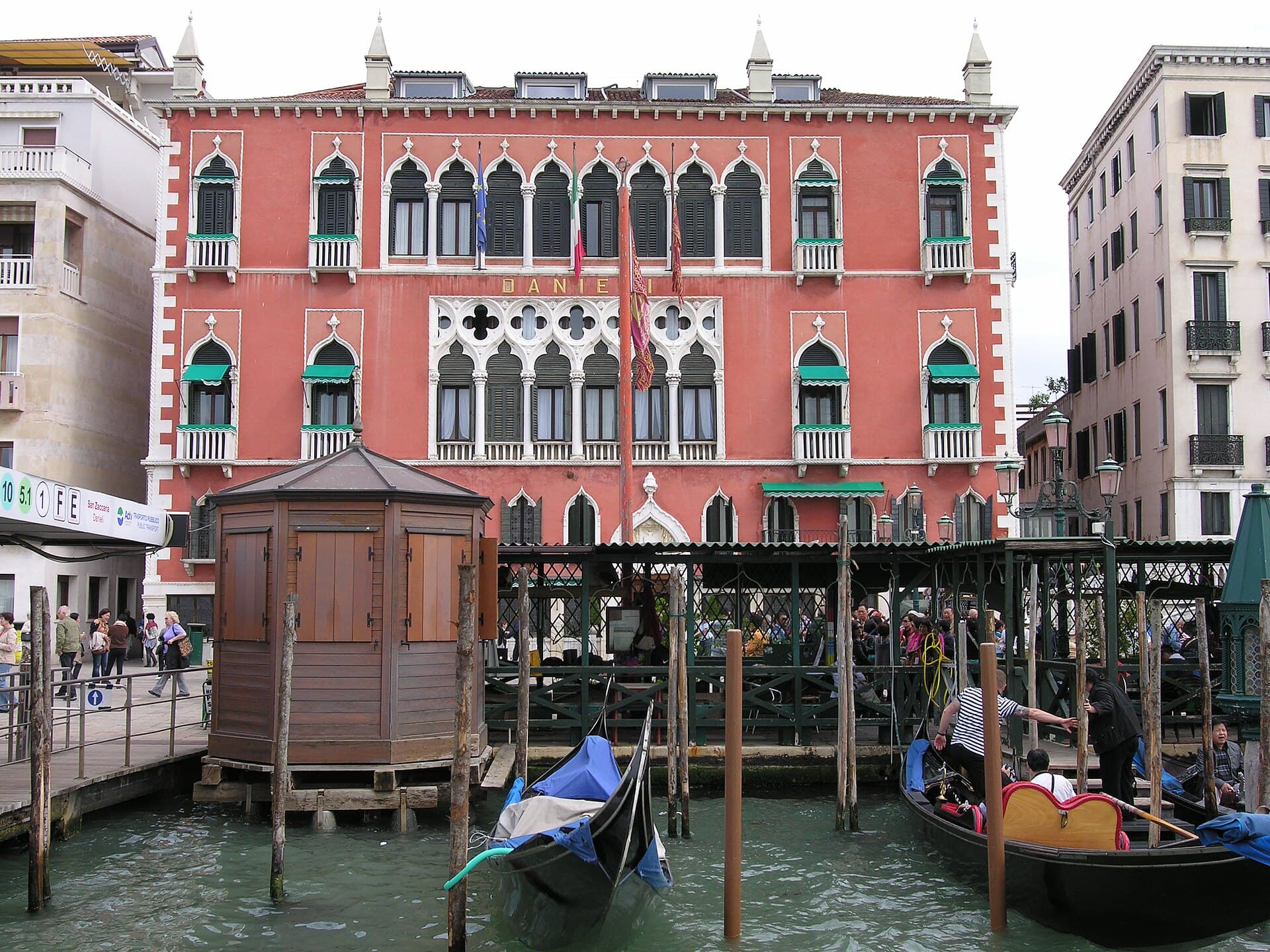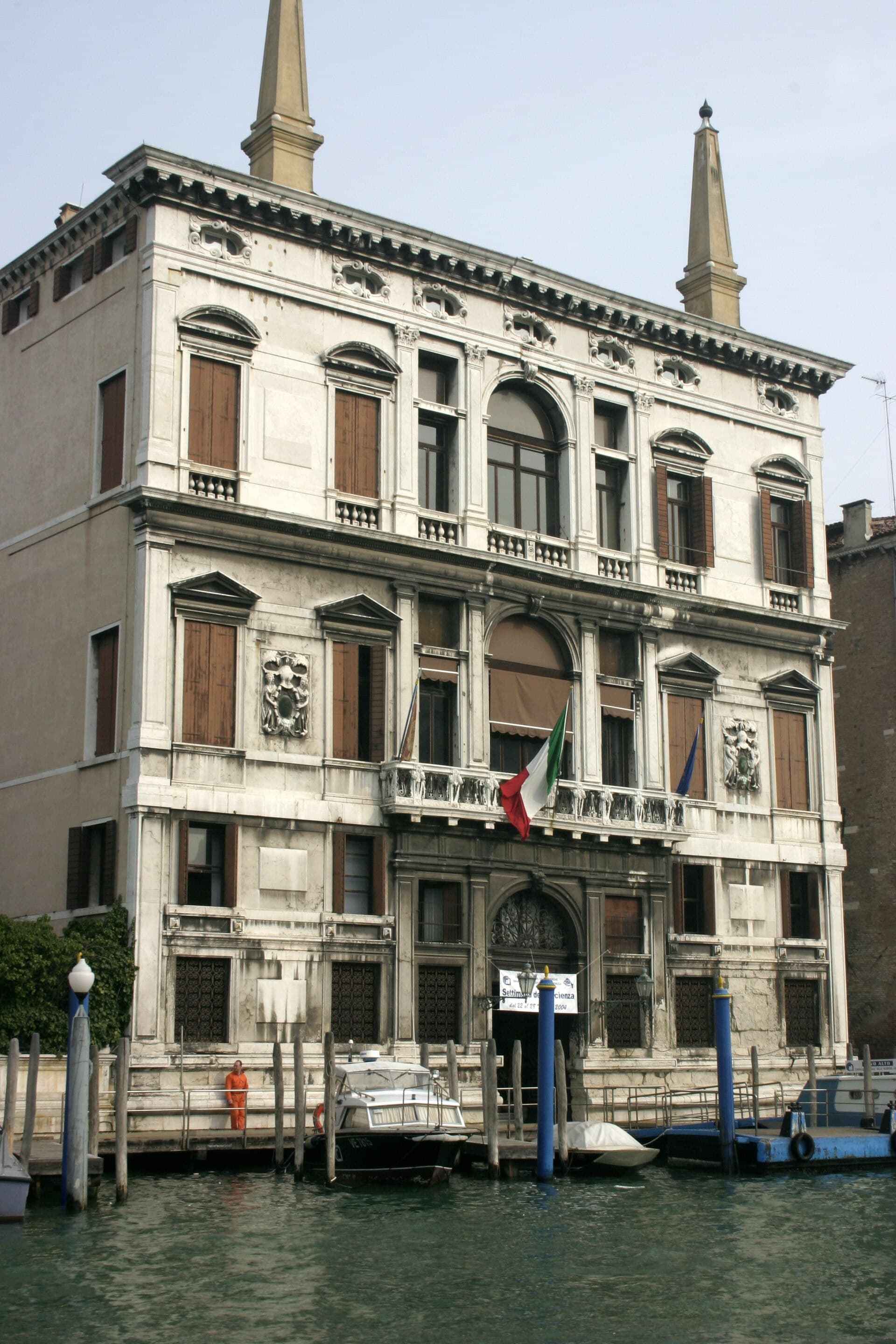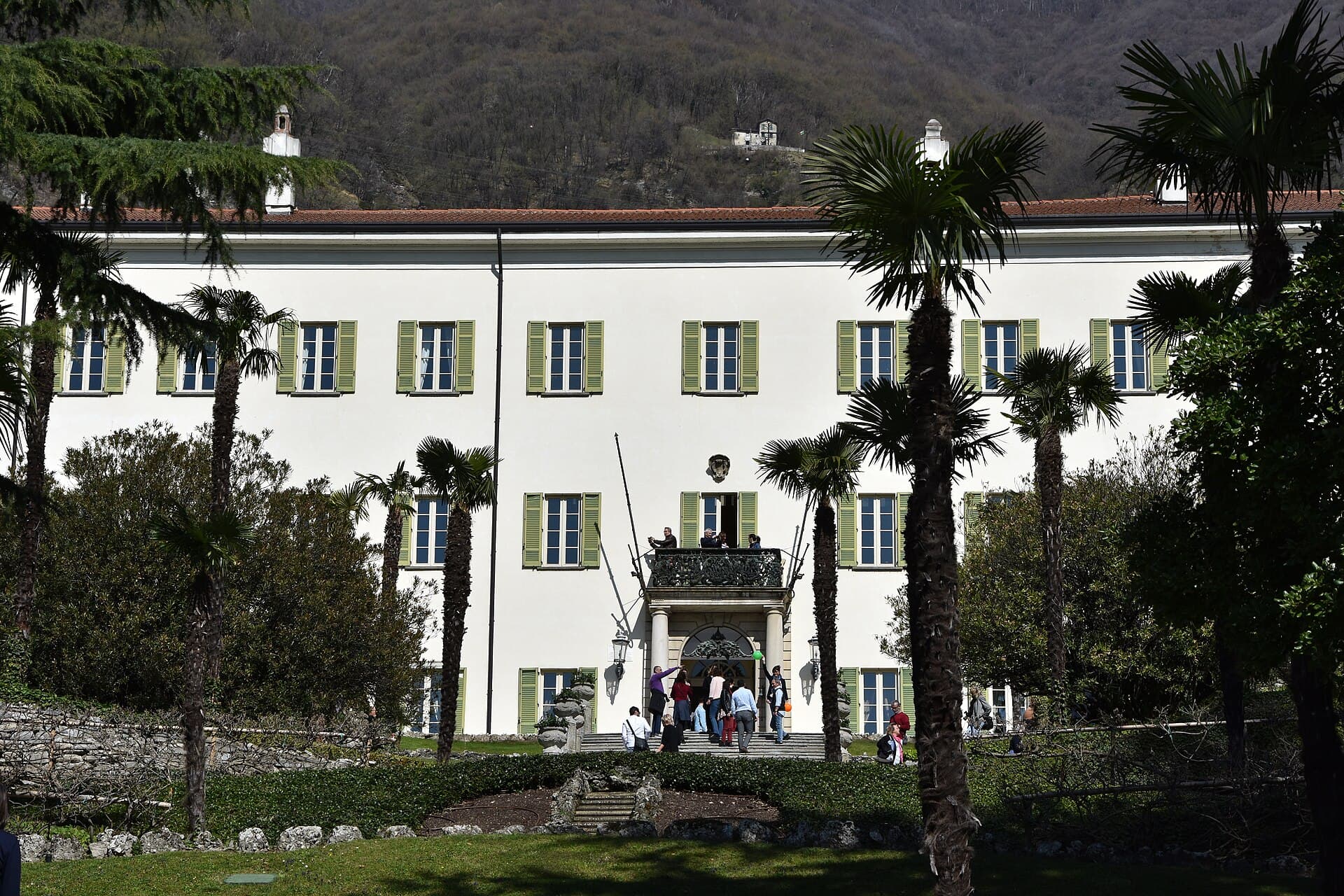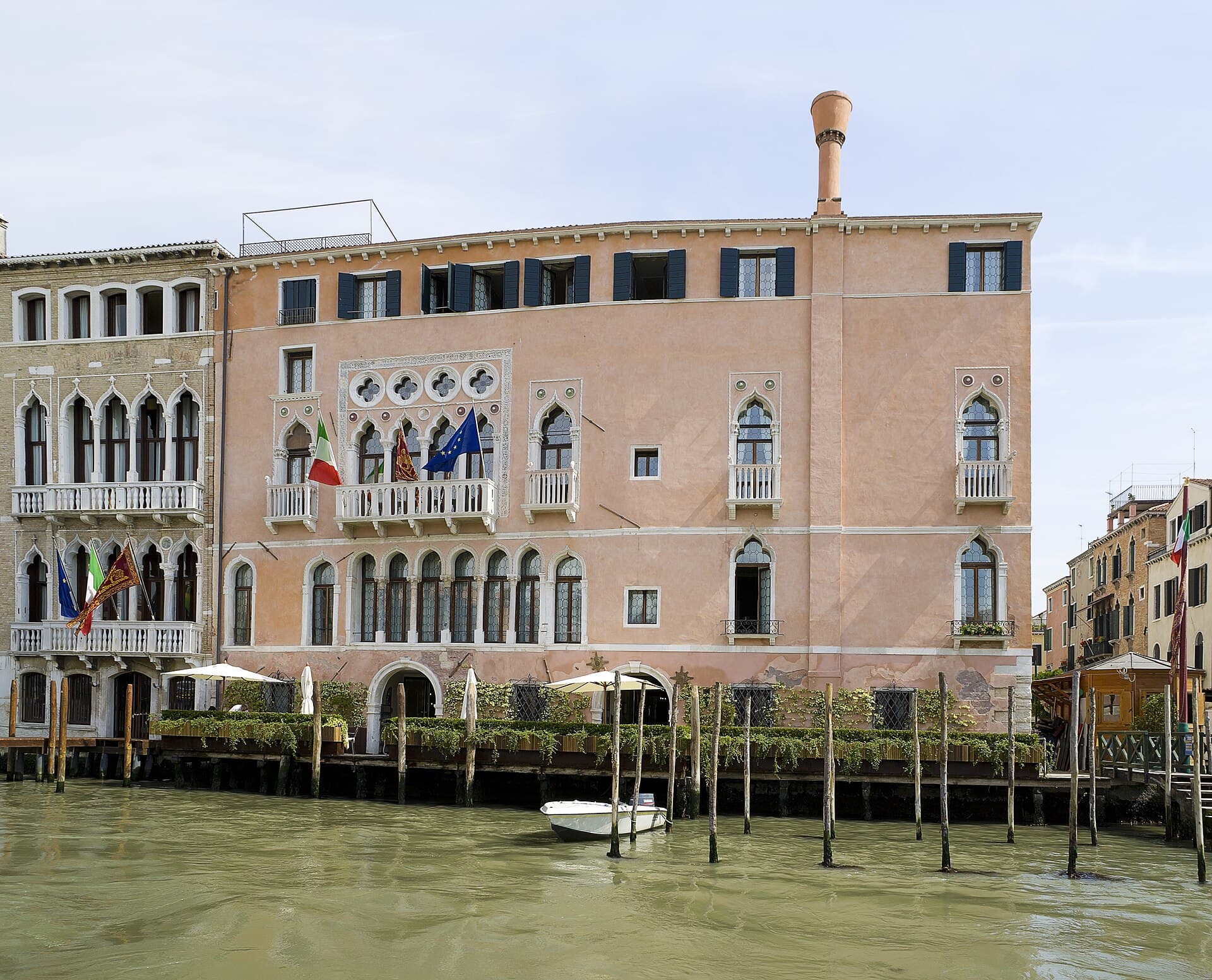
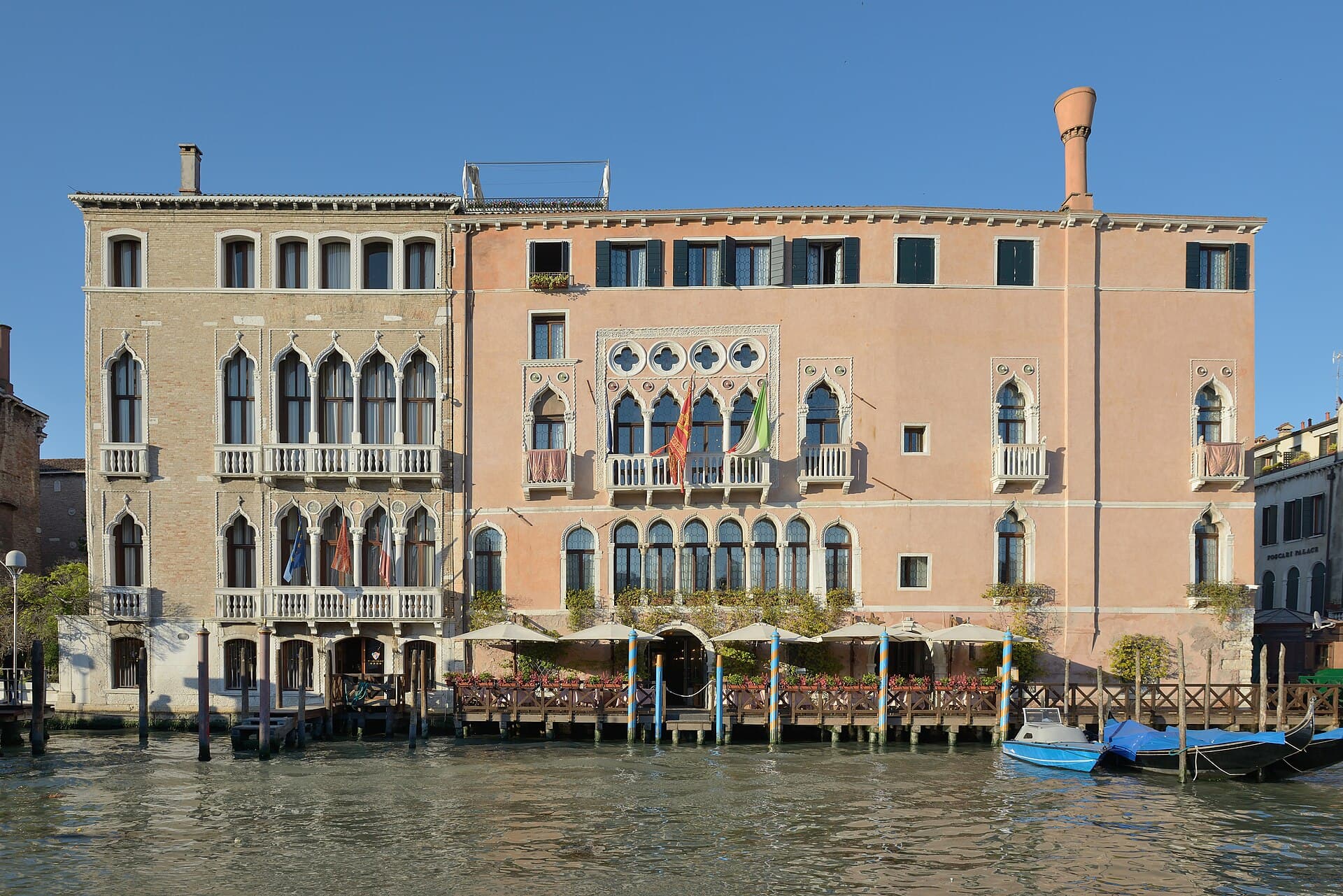
Beside the Ca' d'Oro on the Grand Canal, in the Cannaregio district of Venice, a family of doges and ambassadors lived for two and a half centuries and left their painted rooms in place; their palazzo is now Ca' Sagredo, a palazzo hotel. With 42 rooms, a single restaurant and a terrace on the water, it is less a hotel than a house that admits guests.
History
The palace was built in the fifteenth century for the Morosini family in the Venetian Gothic manner, on the Campo Santa Sofia with its main facade on the Grand Canal. In 1661 Nicolò Sagredo, who would be elected Doge of Venice in 1675, bought it, and the Sagredo held it until the nineteenth century. Over the eighteenth century the family, among them Gherardo Sagredo, procurator of San Marco, commissioned the decoration that survives: frescoes on the grand staircase by Pietro Longhi, ceilings by Giambattista Tiepoló's circle and Gaspare Diziani, and the stucco and painted ballroom on the piano nobile. The famous bedroom of the Sagredo, with its stucco putti, was sold in the 1900s and is now reconstructed in the Metropolitan Museum of Art in New York.
The palace is listed as a national monument. After a restoration of several years that treated it as a museum building as much as a hotel, it opened to guests in 2007.
Architecture and design
The Grand Canal facade keeps its Gothic windows, later regularised with a Renaissance balcony and a water gate. Inside, the grand staircase rises under Longhi's fresco of the Fall of the Giants, painted in 1734, and the Music Room and the ballroom on the first floor retain their eighteenth-century frescoes, stuccoes and chandeliers. The library of the Sagredo, once one of the largest private collections in Venice, is recalled in the reading room. The hotel's rooms were fitted into the former family apartments with the decorations left visible.
Rooms and suites
The 42 rooms and suites differ one from another, as the plan of a palace allows. Several on the piano nobile have original frescoed ceilings and windows on the Grand Canal; others look over the Campo Santa Sofia or the inner courtyard.
Dining
L'Alcova, the hotel's restaurant, serves a Venetian menu, and its terrace on the Grand Canal is open in the warmer months. The bar occupies one of the ground-floor rooms.
Weddings and events
The ballroom and the Music Room on the piano nobile host weddings, private dinners and small receptions, with civil ceremonies possible in the historic rooms, and the terrace on the canal serves cocktails. The scale is intimate, suited to gatherings of family and close guests rather than conferences, though the salons are also used for board meetings and presentations.
Location
Ca' Sagredo is on the Campo Santa Sofia in Cannaregio, with the Ca' d'Oro vaporetto stop beside it and the Rialto bridge ten minutes on foot. The Strada Nova, the main street of Cannaregio, runs behind the campo, and the Rialto market lies across the canal. A water taxi covers the run from Venice Marco Polo Airport in about 30 minutes, the Alilaguna boat also serves it, and Venezia Santa Lucia station is a short vaporetto ride along the Grand Canal. For a luxury hotel in Venice with painted rooms of this quality, few rivals exist.
At a glance
What sets it apart
- 01Fifteenth-century Gothic palazzo on the Grand Canal beside the Ca' d'Oro
- 02Owned by the Sagredo family from 1661; Nicolò Sagredo became doge in 1675
- 03Grand staircase frescoed by Pietro Longhi in 1734
- 04Listed national monument, opened as a hotel in 2007
- 0542 rooms and suites, one restaurant, terrace on the canal
Chronology
Dates that matter
1661
Nicolò Sagredo buys the palace on the Grand Canal.
1675
Nicolò Sagredo is elected Doge of Venice.
1734
Pietro Longhi paints the Fall of the Giants on the grand staircase.
2007
Ca' Sagredo opens as a hotel.