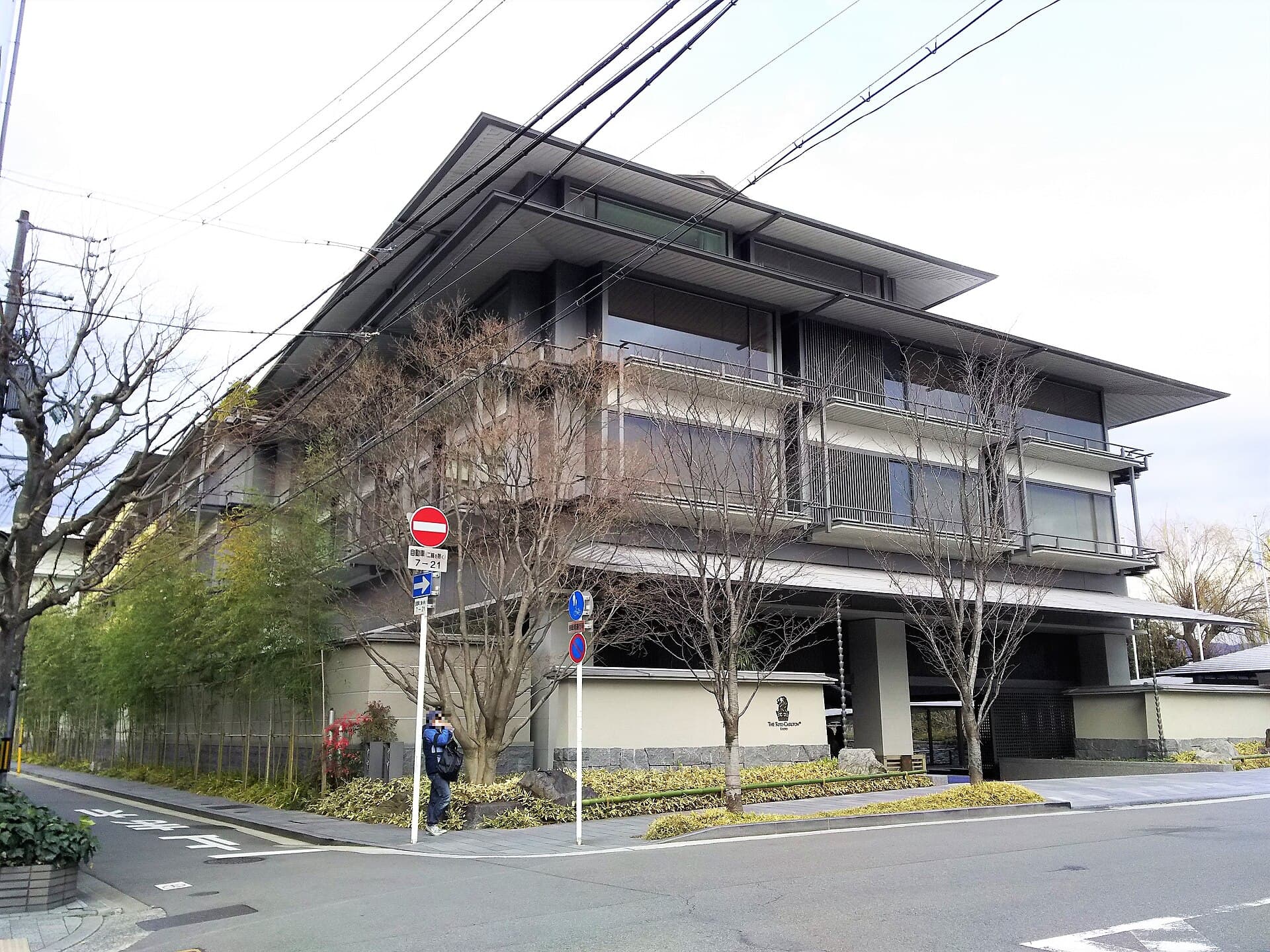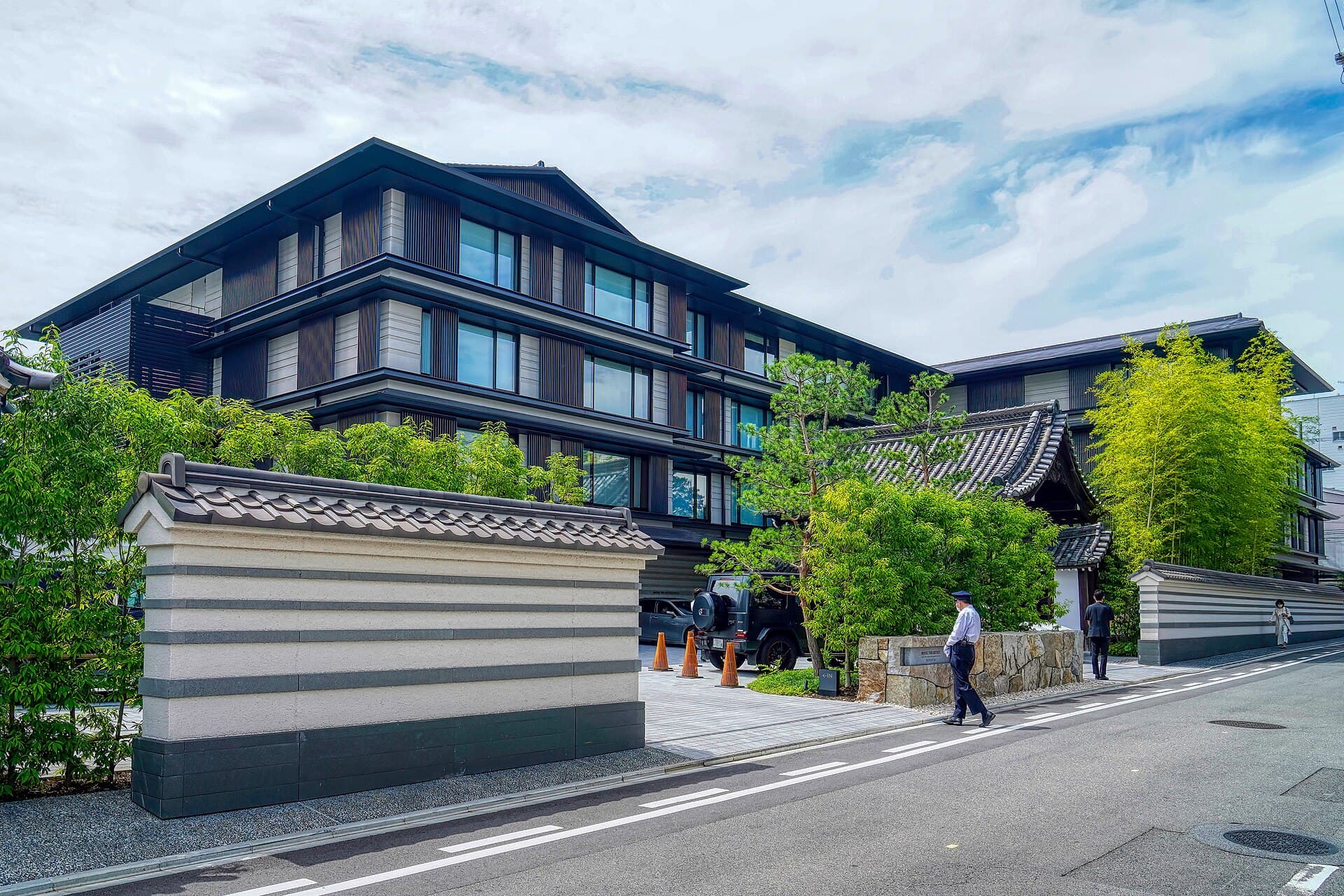
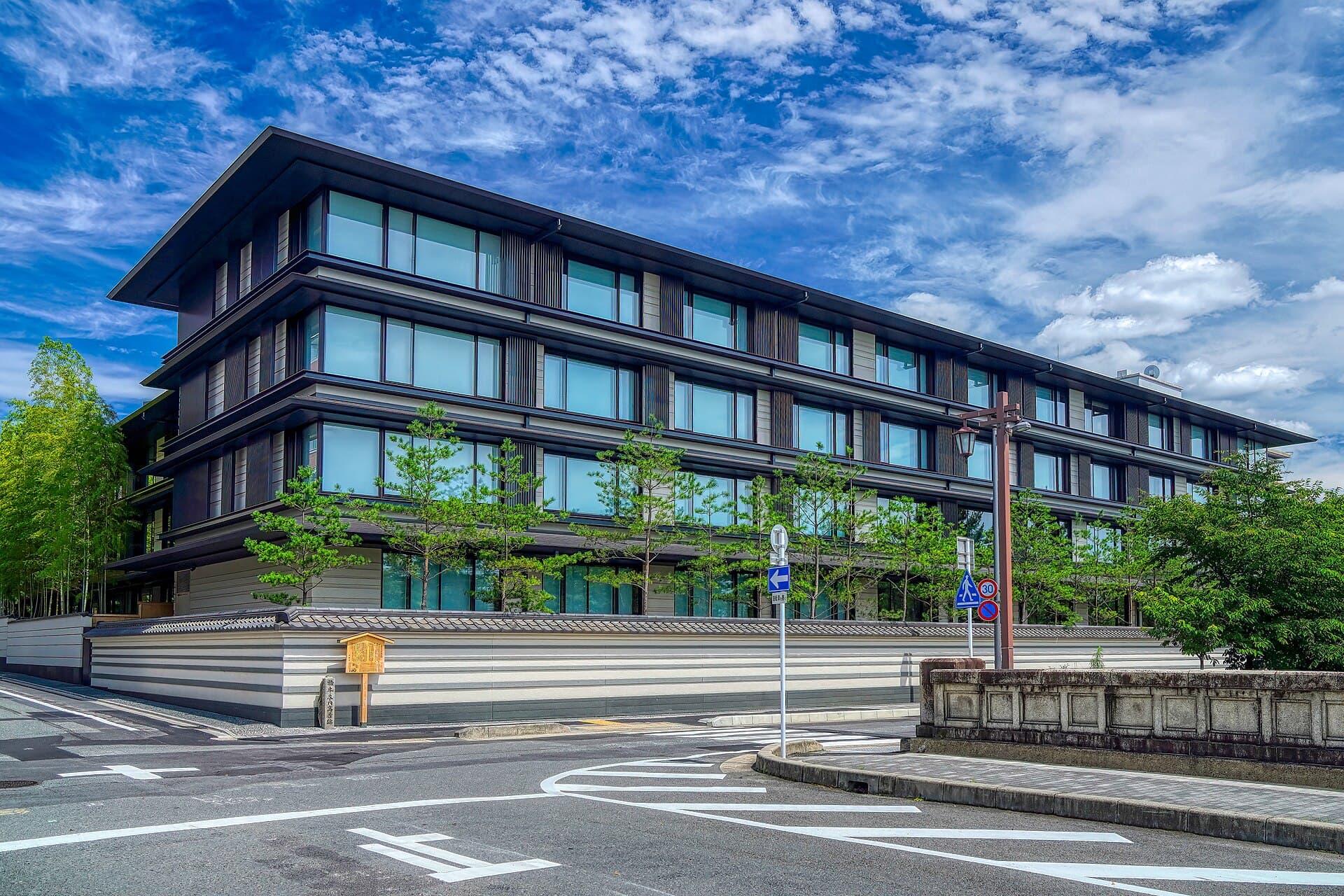
A wooden gate more than three centuries old stands at the entrance of Hotel The Mitsui Kyoto, just east of Nijo Castle. Behind it lies the land where the Mitsui family, the merchant house that grew into one of Japan's great business groups, kept its residence in the city. The hotel opened on that site in November 2020, built by the group's property company, Mitsui Fudosan.
History
Mitsui Takatoshi founded the family business in the seventeenth century. In 1673 he opened the Echigoya kimono shop in Edo, the ancestor of the Mitsukoshi department store, with buying offices in Kyoto, then the centre of the silk and textile trade. The family's head house kept a residence in Kyoto near Nijo Castle, and the Mitsui name stayed tied to the city long after the business moved its weight to Tokyo.
Mitsui Fudosan planned a hotel on the estate land that would carry the family name. It opened on 3 November 2020, in the first year of the pandemic, as the flagship of the company's own top-tier hotels and as a member of The Luxury Collection, the Marriott International group of individually styled hotels. Kyoto had seen many new hotels in the years before, but few on ground with such a direct link to the name above the door.
Architecture and design
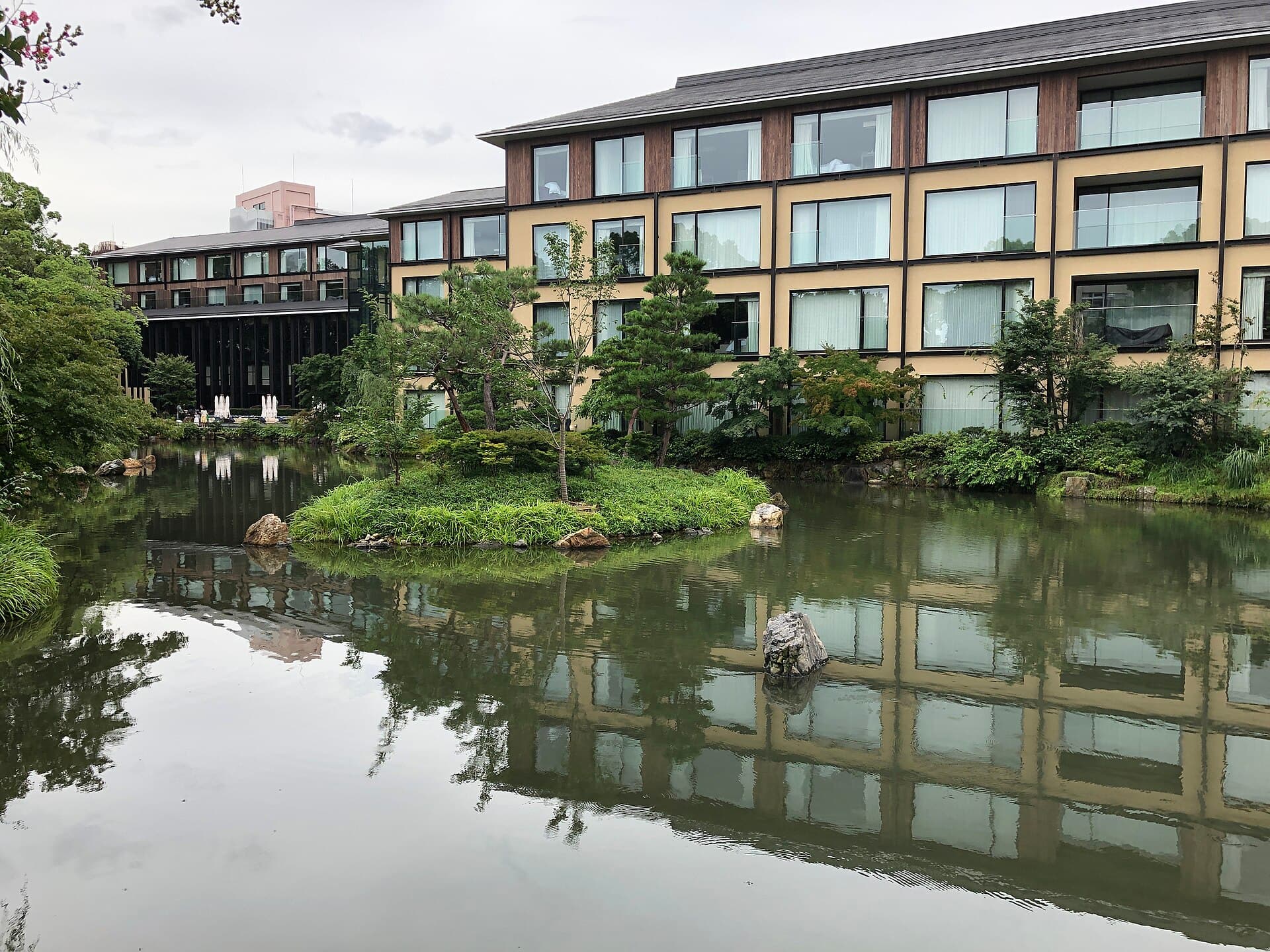
The entrance gate, known as the Kajii-gu gate, dates from 1703 and stood on the Mitsui estate before the hotel was built. It was restored for the opening and still serves as the way in. Behind it, the buildings are low and set around a large central garden of water, rocks and plantings designed by the Kyoto landscape architect Shunsaku Miyagi. The interiors are by André Fu, the Hong Kong designer, who combined clean modern lines with Kyoto materials such as dark timber, stone and washi. The public rooms open onto the garden, so the first view inside the gate is of water and trees rather than a reception desk.
The result is a luxury hotel in Kyoto that reads as a garden first and a building second, with the old gate setting the tone for everything behind it.
Rooms and suites
There are 161 rooms and suites. Many face the central garden, and others look across the low roofs of central Kyoto towards the hills that ring the city. Rooms are large for Kyoto, where the older hotels tend to be compact, and the bathrooms are designed around deep tubs.
Wellness
The hotel draws natural hot-spring water from about 1,000 metres below ground, a rarity in central Kyoto. The thermal spa uses it in its bathing areas, alongside treatment rooms and a fitness centre. Hot springs in Japan belong mostly to mountain valleys and coastal resorts, so the chance to bathe in onsen water a few streets from the castle is one of the house's main draws.
Location
Nijojo-mae Station on the Tozai subway line is the nearest stop, and Karasuma Oike, where the Tozai and Karasuma lines meet, is a little further east. Nijo Castle, built for the first Tokugawa shogun from 1603 and listed by UNESCO in 1994 among the Historic Monuments of Ancient Kyoto, lies just to the west. Nishiki Market and the Kyoto Imperial Palace grounds can be reached on foot or by a quick taxi ride. Kyoto Station, for the Shinkansen, is about fifteen minutes by car, and Kansai International Airport around 75 minutes by train or road.
At a glance
What sets it apart
- 01On the former Kyoto residence land of the Mitsui family
- 02Kajii-gu entrance gate dated to 1703, restored
- 03161 rooms and suites around a central garden by Shunsaku Miyagi
- 04Interiors by André Fu
- 05Hot-spring water drawn from about 1,000 metres underground
Chronology
Dates that matter
1603
Construction of Nijo Castle begins for Tokugawa Ieyasu, beside the future hotel site.
1673
Mitsui Takatoshi opens the Echigoya kimono shop in Edo, founding the family business.
1703
The Kajii-gu gate, now the hotel entrance, is built.
2020
Hotel The Mitsui Kyoto opens on 3 November.