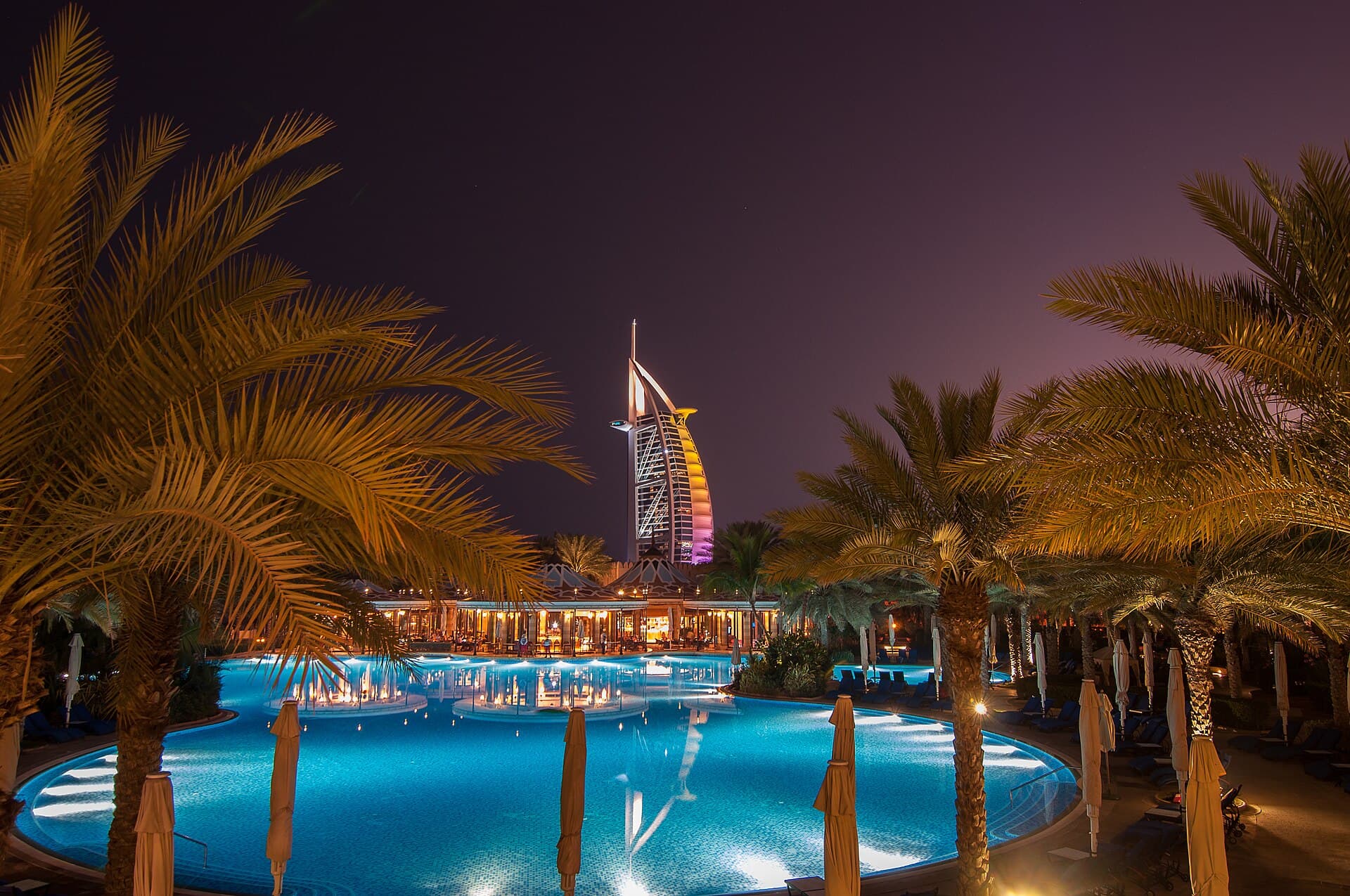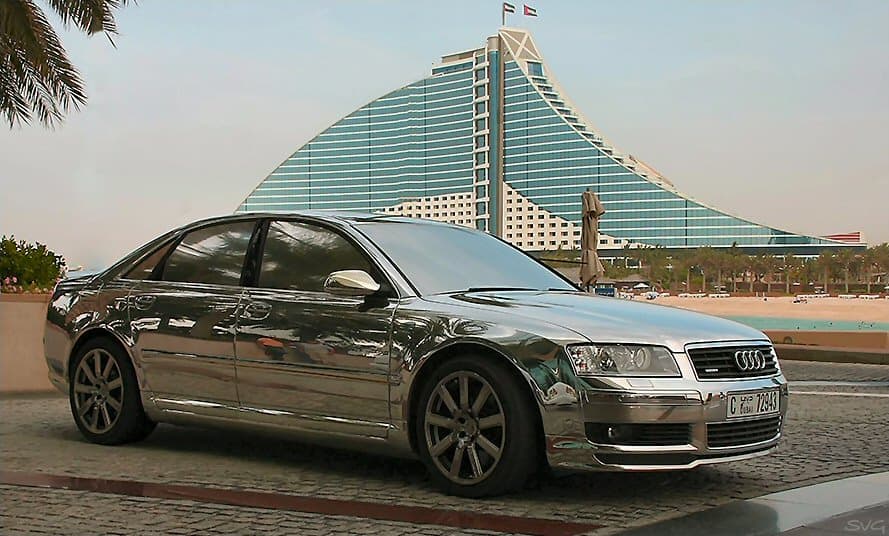

Jumeirah Beach Hotel rises from the shore of Umm Suqeim in Dubai as a curved wall of blue glass, designed to read as a wave breaking towards the sail of the Burj Al Arab on its island just offshore. It opened in 1997, before the Burj Al Arab, before the Palm and before Dubai's skyline had any of the towers that now define it, and it was the first hotel built by what became the Jumeirah group. This luxury hotel in Dubai is still the one most families associate with the city's beach.
History
The hotel was commissioned by the Dubai government as part of a plan to turn the Jumeirah coast into a resort district. The British firm Atkins designed it, and it opened in 1997 as the Chicago Beach Hotel's replacement on the same stretch of sand, taking its name from the district. Two years later the Burj Al Arab opened on its artificial island 280 metres offshore, and the Wild Wadi waterpark opened between the two in 1999, so that by the turn of the century the three formed a single resort.
The Jumeirah group, created to run these properties, grew from here into an international operator. The hotel closed in June 2019 for its first complete renovation and reopened in October 2019 with new rooms, restaurants and a redesigned beach.
Architecture and design
Atkins's design is a 26-storey arc of steel and glass, about 93 metres high and curved in plan, so that from the beach it reads as a wave and from the sea as a sail facing the Burj Al Arab, which the same firm designed afterwards. The structure is a high-tech building of its decade, with the services and lifts visible in the landward spine and the sea-facing side given over to balconies. Every room looks at the Gulf because the building is only one room deep on that side.
Rooms and suites
The rooms and suites all face the sea, with balconies, and the 2019 renovation lightened the interiors with pale wood and blue fabrics. Beside the tower, the Beit Al Bahar villas are two-storey Arabian-style houses with their own gardens and plunge pools, a quieter option for families and for guests who want privacy.
Dining
The hotel has a wide choice of restaurants and bars, from beach grills and an Italian restaurant to a seafood restaurant on the shore and cafes in the lobby, with further restaurants at the Burj Al Arab and the Madinat Jumeirah available to guests. The choice is one reason it suits long family stays.
Wellness
The Talise Spa has treatment rooms and a fitness centre, and the resort has several swimming pools along the beach, a private beach of several hundred metres, tennis courts and a kids' club. Guests have unlimited access to the Wild Wadi waterpark next door.
Weddings and events
The hotel has a conference centre with a ballroom and meeting rooms, and it uses its beach and lawns for weddings and receptions with the Burj Al Arab in the background, a setting much in demand for photographs. It hosts conferences, incentive groups and gala dinners of several hundred guests.
Location
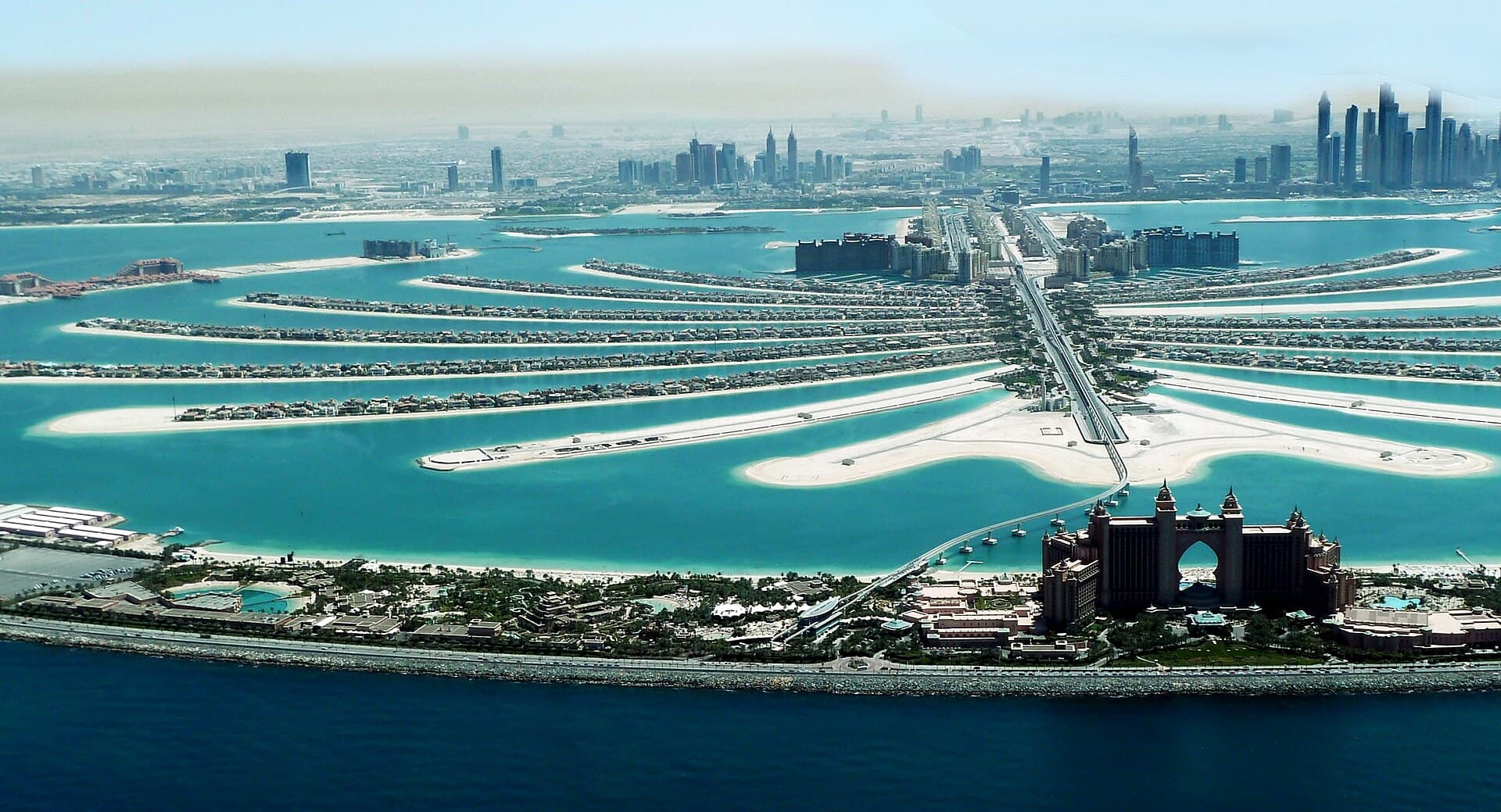
The hotel is on Jumeirah Beach Road in Umm Suqeim, beside the Burj Al Arab and the Wild Wadi waterpark and a short drive from the Madinat Jumeirah and the Mall of the Emirates. By car, Dubai International Airport takes about 25 minutes, Downtown Dubai and the Burj Khalifa about 20, and the Palm Jumeirah ten. The nearest Dubai Metro stations are on Sheikh Zayed Road, about ten minutes away by taxi.
At a glance
What sets it apart
- 01Opened 1997, designed by Atkins as a 26-storey wave of glass and steel
- 02First hotel of the Jumeirah group, two years before the Burj Al Arab
- 03Every room faces the Gulf with a balcony
- 04Beit Al Bahar villas with private gardens and plunge pools
- 05Unlimited access to the Wild Wadi waterpark next door; full renovation in 2019
Chronology
Dates that matter
1997
The Jumeirah Beach Hotel opens on the Umm Suqeim shore.
1999
The Burj Al Arab and the Wild Wadi waterpark open beside it.
2019
The hotel closes in June for renovation and reopens in October.