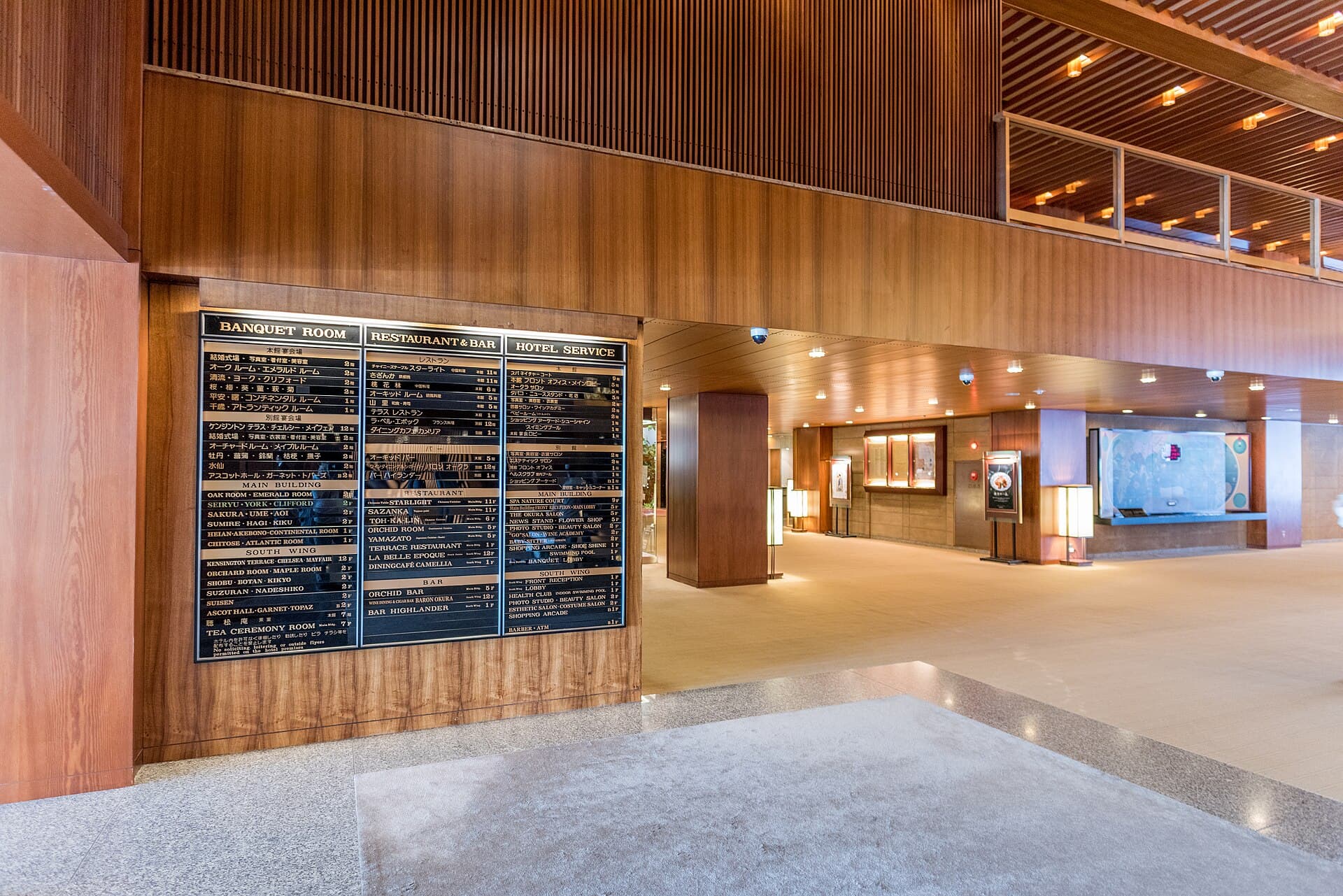
On 12 September 2019 the doors opened on a lobby that most of Tokyo thought had gone for good. The Okura Tokyo, in Toranomon in Minato ward, had demolished its 1962 main building four years earlier, and the campaign to save it had reached the pages of Monocle and the New York Times. What greeted the first guests was the same room: the hexagonal paper lanterns hanging in a line, the lacquered tables and chairs set out like plum blossoms, the world clock on the wall, the shoji screens and the light filtering through them in the afternoon. The hotel's founder, Kishichiro Okura, had wanted a Japanese answer to the western grand hotel, and the 1962 design by Yoshiro Taniguchi with a team of craftsmen delivered it. His son Yoshio Taniguchi led the rebuilding.
History
Hotel Okura opened in May 1962, two years before the Tokyo Olympics, on the hill above the American Embassy. The Okura family had long been patrons of art: Kihachiro Okura's private collection became the Okura Shukokan in 1917, Japan's first private art museum, and it still stands in the grounds. Through the post-war decades the hotel became the address of state visits and summits, and its lobby became a shorthand for Japanese modernism. The main wing closed on 31 August 2015. The replacement, renamed The Okura Tokyo, opened in September 2019 and is operated by Hotel Okura under the Okura Hotels & Resorts brand.
Architecture and design
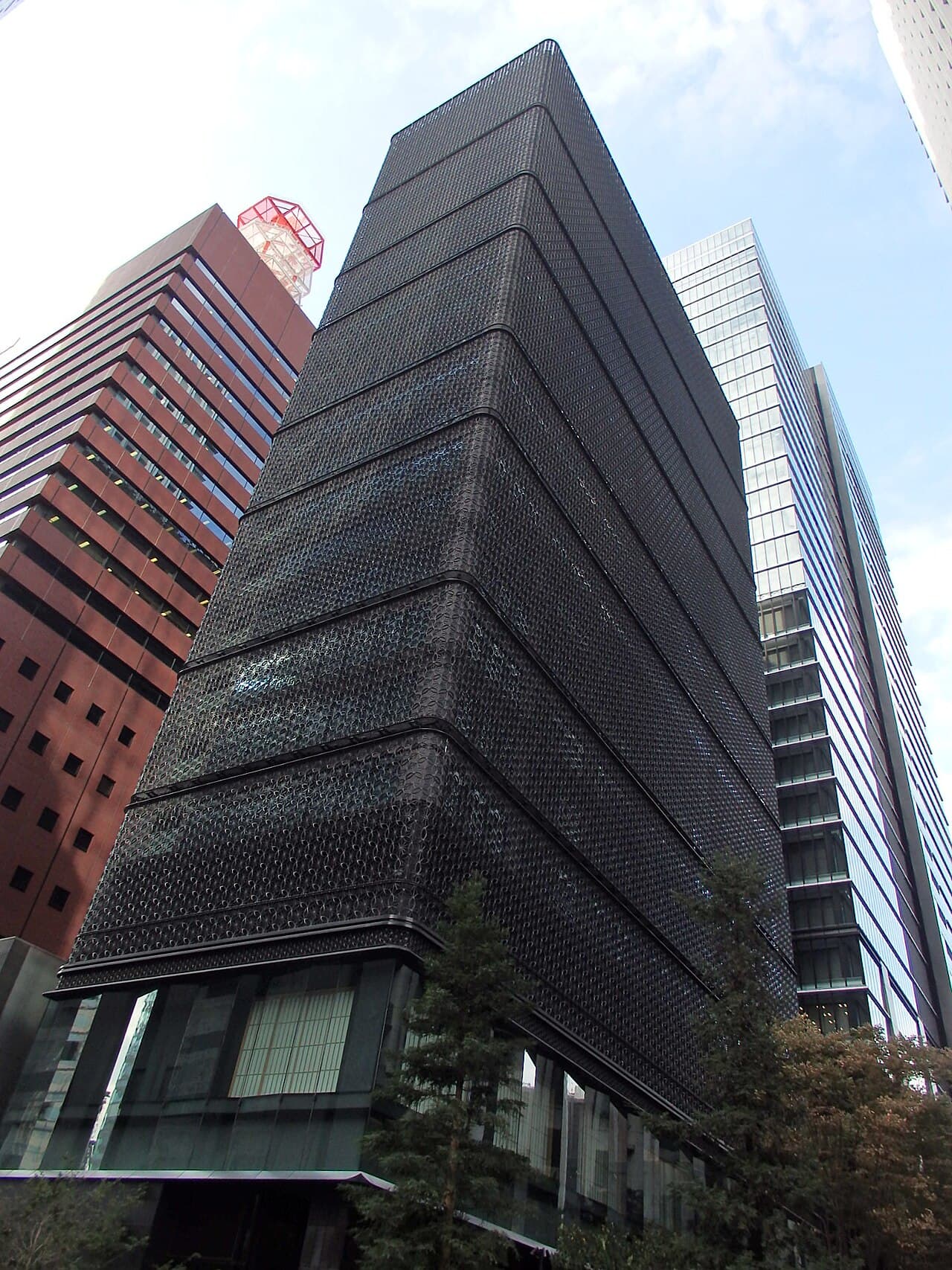
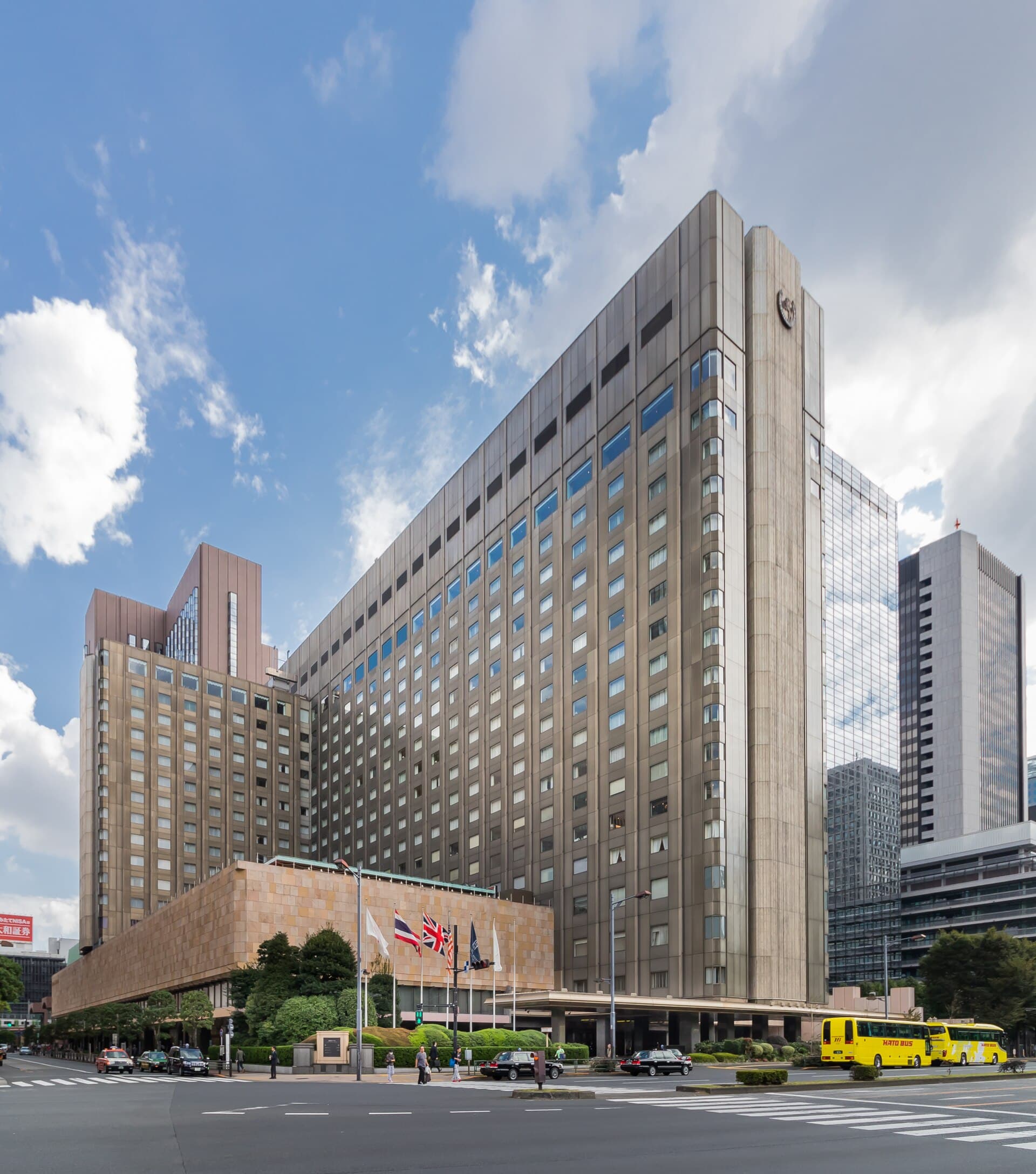
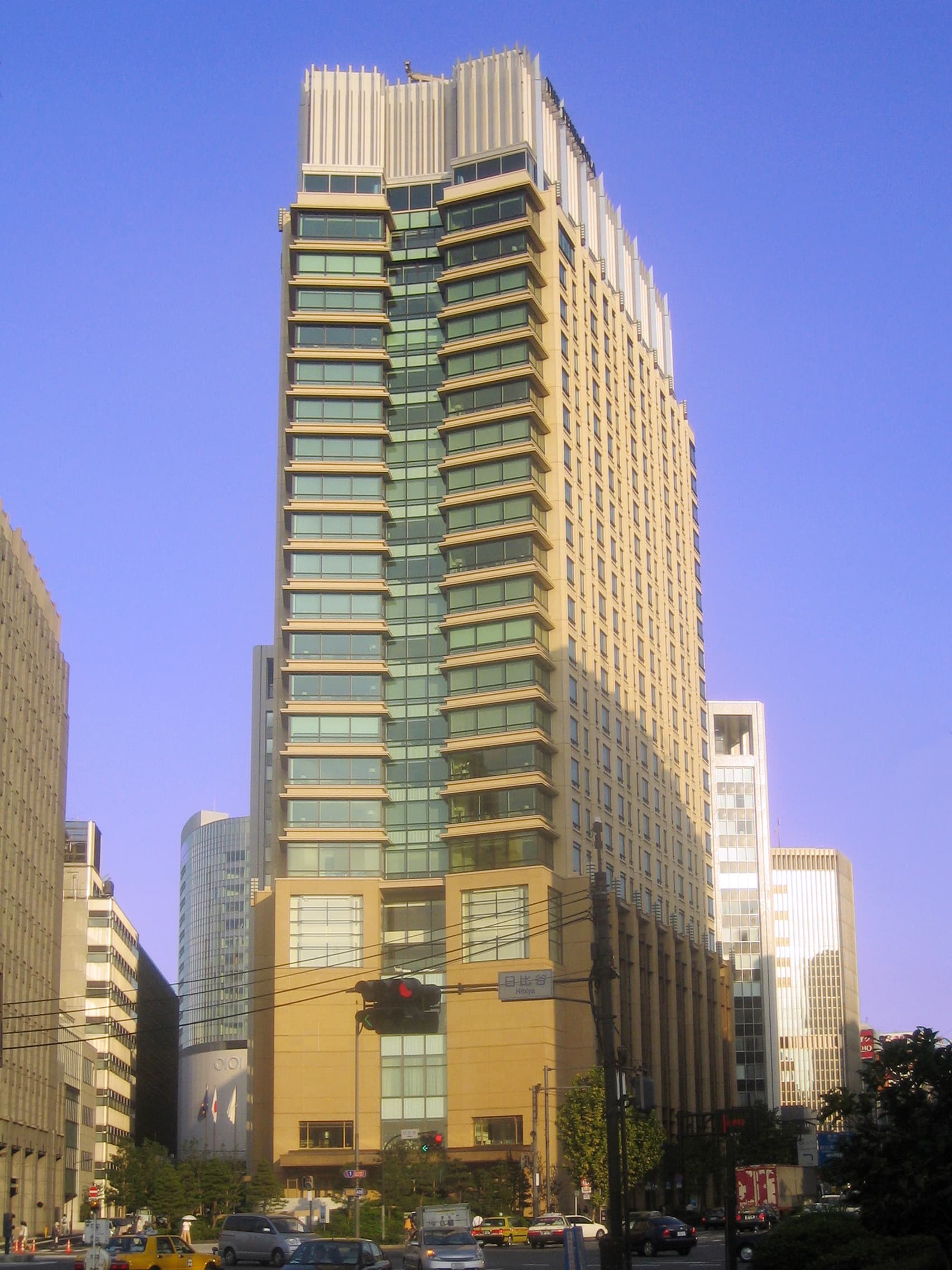
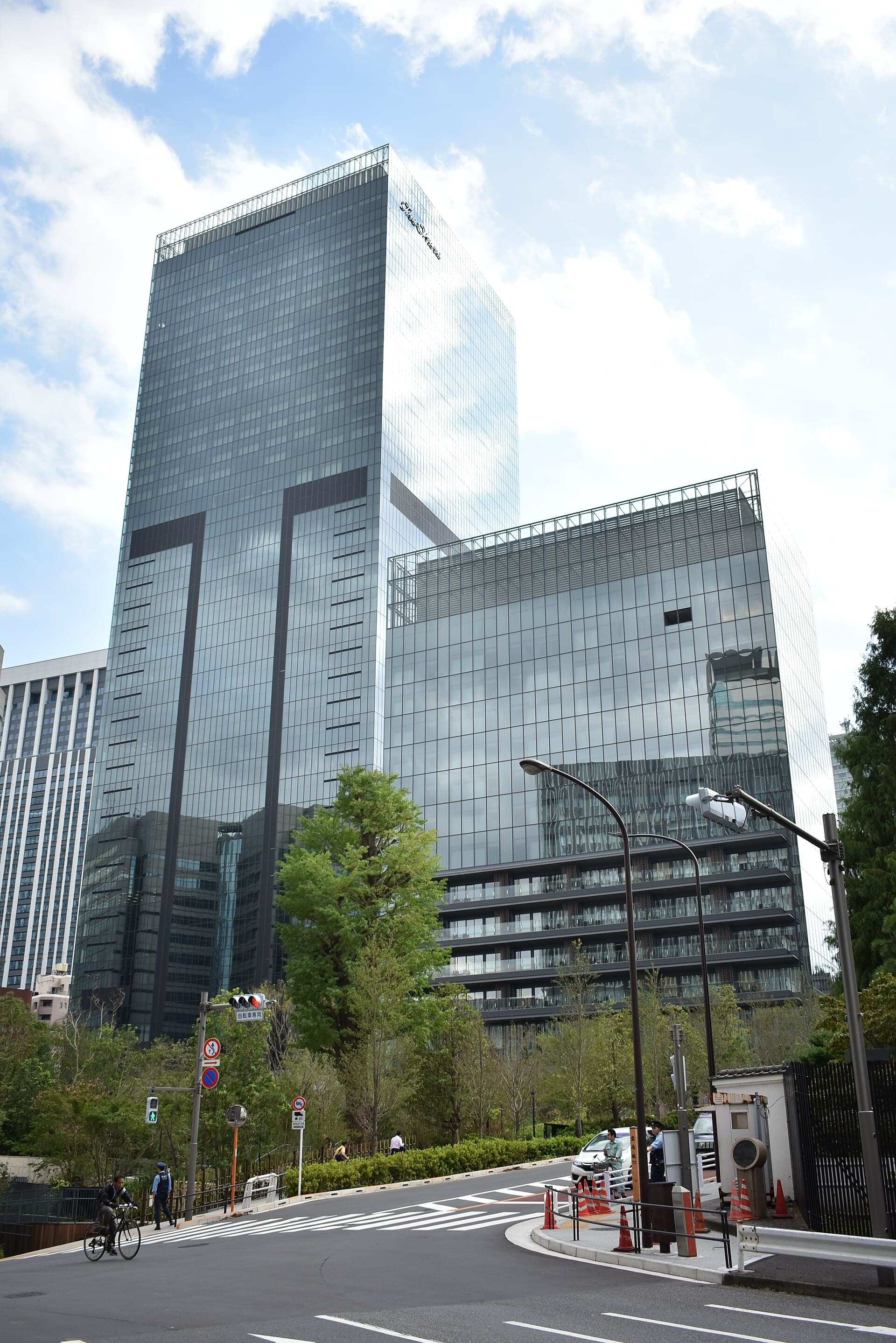
Two buildings now share the site. The Okura Prestige Tower rises 41 storeys and holds the recreated lobby, most of the guest rooms and the banqueting floors. The Okura Heritage Wing is a lower, quieter block of 17 storeys built for longer stays and for guests who want the older rhythm of the house. The craft of the original was reproduced rather than imitated: the lantern pendants, the wall of wooden lattice known as asanoha, the orchid-pattern panels. The Okura Museum of Art, rebuilt at the same time, sits between the two wings with a traditional roof.
Rooms and suites
The two wings hold 508 rooms in total. Prestige Tower rooms look over the Imperial Palace side of the city or towards Tokyo Tower and the bay. Heritage Wing rooms are larger, with deep soaking tubs and a steam-sauna in many bathrooms, and they come with their own check-in floor and lounge.
Dining
The restaurants carry names that regulars have used for decades. Yamazato serves kaiseki and sushi at counters and in private rooms. Sazanka is the teppanyaki grill. Toh-Ka-Lin is the Cantonese room. Nouvelle Epoque is the French restaurant in the Heritage Wing. Orchid is the all-day room off the lobby, with the Orchid Bar beside it, and Bar Starlight sits at the top of the Prestige Tower.
Wellness
The Okura Fitness and Spa occupies a floor of the Prestige Tower with an indoor pool, a gym, a sauna and treatment rooms.
Weddings and events
Banqueting has always been central to the Okura. The Heian Room, the great ballroom, was rebuilt with the hotel and the facts file records a top capacity of 2,000 people across the function floors. The house hosts weddings in both Shinto and western ceremony rooms, and its conference floors serve the embassies and corporations of the surrounding district. The hotel has decades of experience with state-level protocol, which is why government delegations keep using it.
Location
The address is 2-10-4 Toranomon, Minato-ku, next to the US Embassy and above Kamiyacho and Toranomon Hills stations on the Hibiya line. Tokyo Tower is a short taxi ride, and the Roppongi and Akasaka districts border the neighbourhood. Haneda Airport is around 30 minutes by car; Narita is 60 to 90 minutes. For a luxury hotel in Tokyo it has an unusually settled, residential feel, set back from the traffic on its own rise.
At a glance
What sets it apart
- 01Recreated 1962 lobby by Yoshiro Taniguchi with hexagonal lantern pendants
- 02Two wings: 41-storey Prestige Tower and 17-storey Heritage Wing
- 03Okura Museum of Art, founded 1917, in the hotel grounds
- 04Yamazato kaiseki, Sazanka teppanyaki and Toh-Ka-Lin Cantonese restaurants
- 05Heian Room ballroom used for state and corporate banquets
Chronology
Dates that matter
1917
Kihachiro Okura opens the Okura Shukokan, Japan's first private art museum, on the site.
1962
Hotel Okura opens in May with a lobby designed by Yoshiro Taniguchi.
2015
The main building closes on 31 August despite an international campaign to save it.
2019
The Okura Tokyo reopens on 12 September with the Prestige Tower and Heritage Wing.