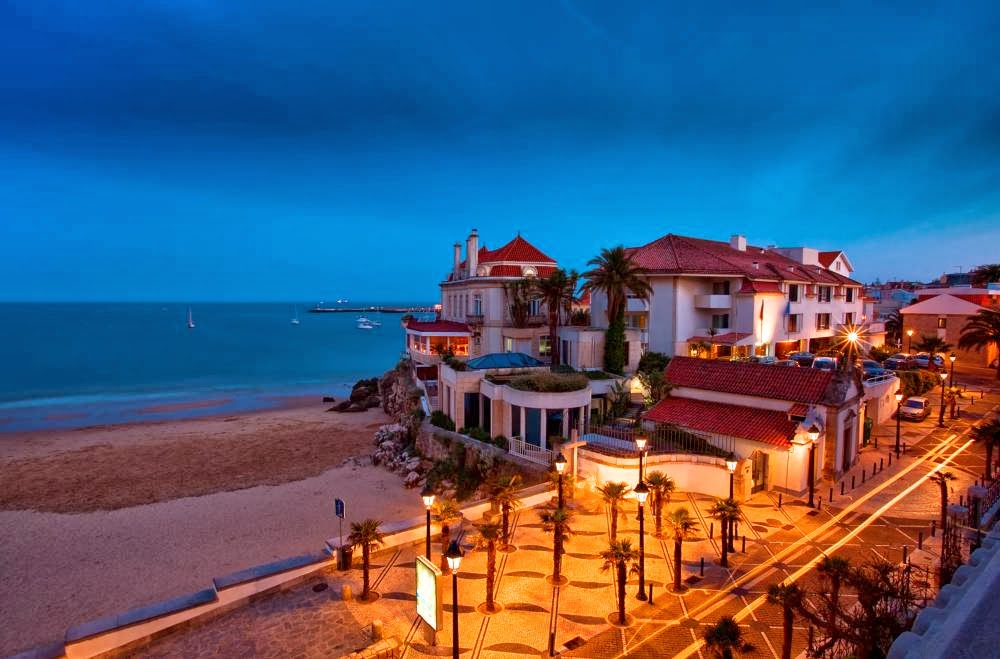
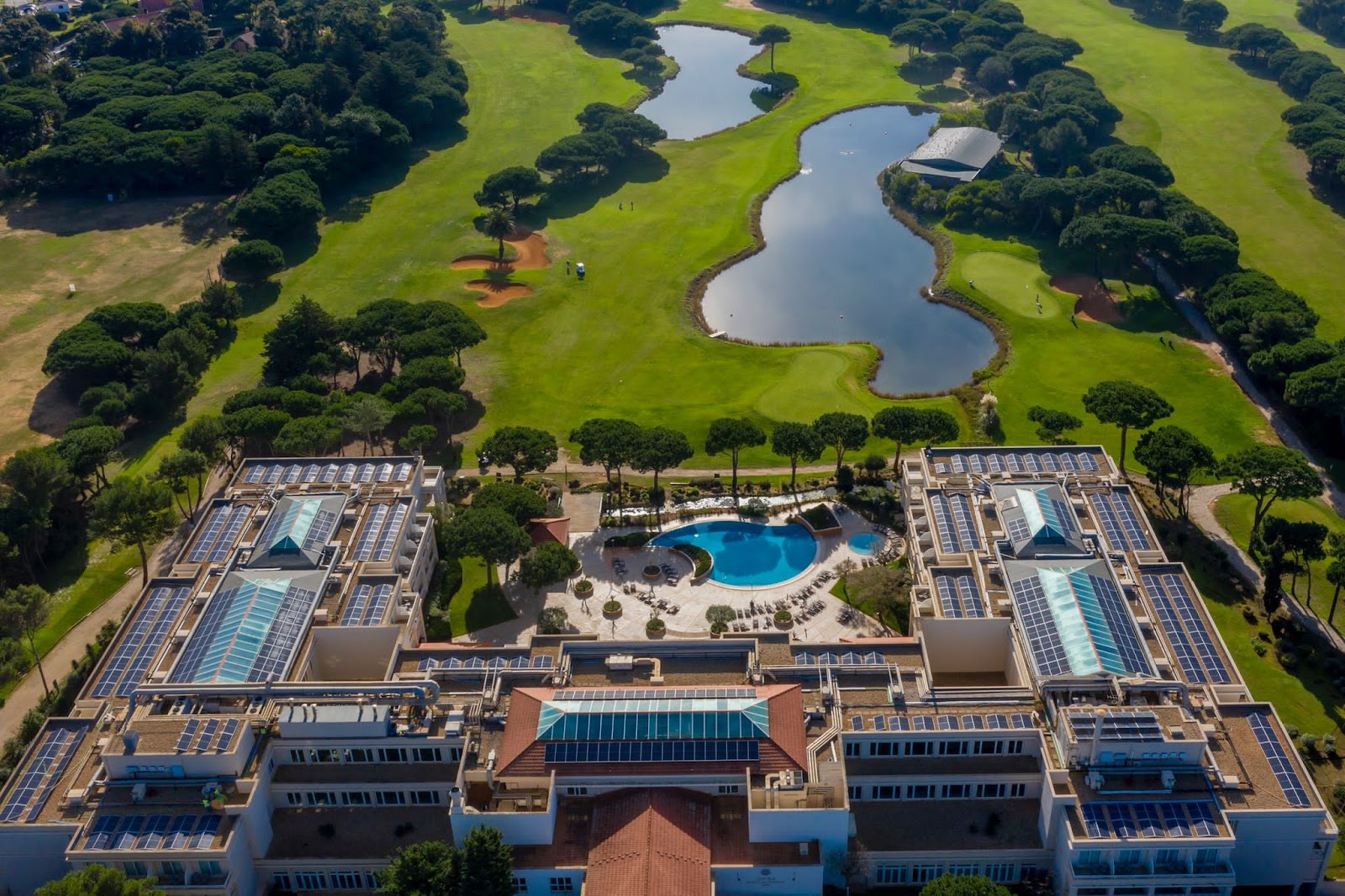
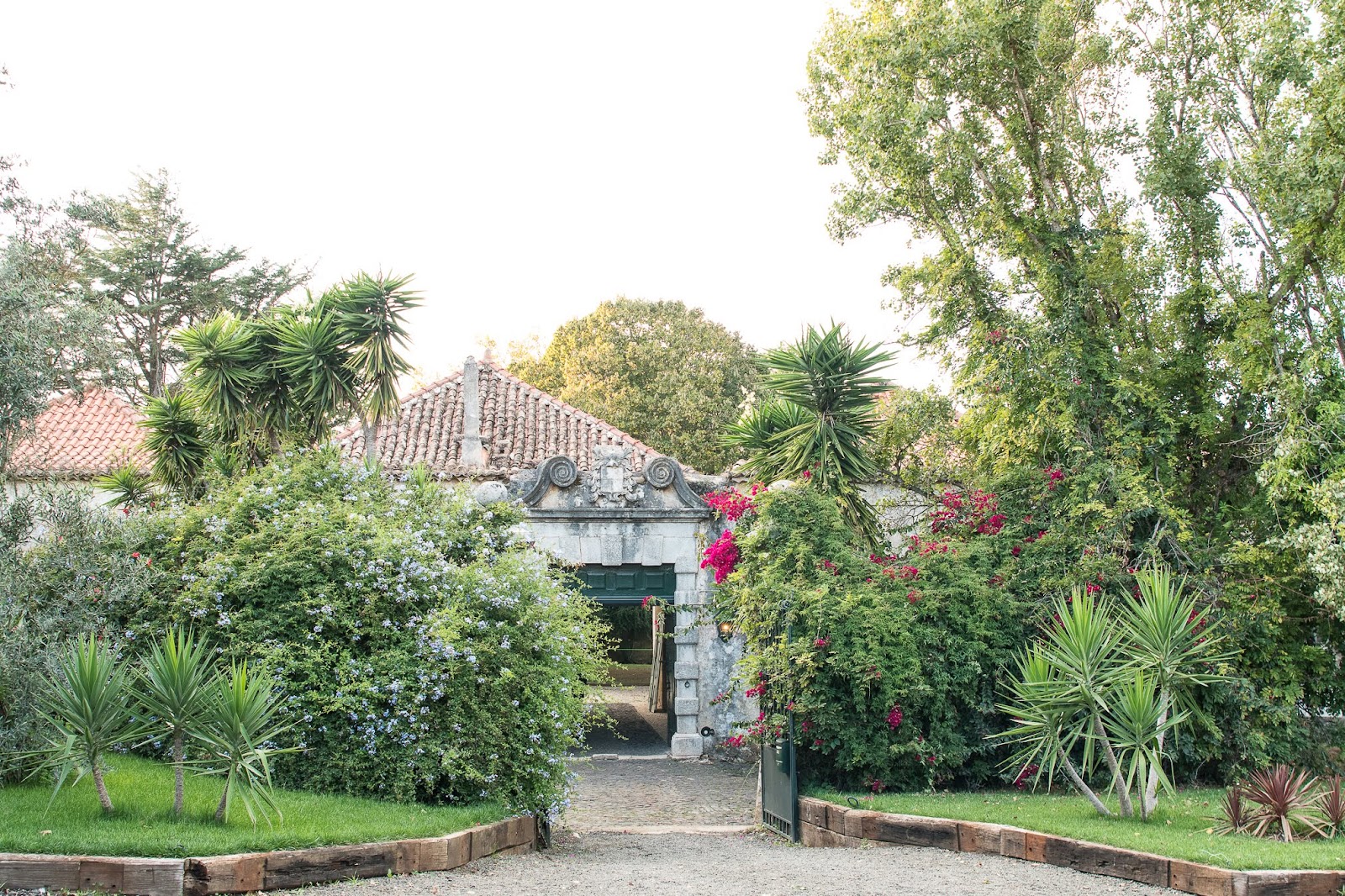
On the slope below the Pena hills, at the edge of the old town of Sintra, Tivoli Palácio de Seteais is a palace of the 1780s. It has been a hotel since 1954, and with only 30 rooms it keeps the proportions of a private house. The painted rooms, the triumphal arch and the view over the Sintra hills to the sea are the reasons it has been the most sought-after address in Sintra for seven decades.
History
The palace was built between 1783 and 1787 for Daniel Gildemeester, the Dutch consul in Lisbon, who had made a fortune in the diamond trade and chose a terrace above Sintra for a summer house. After his death the property passed in 1797 to Diogo José Vito de Meneses Noronha Coutinho, fifth Marquis of Marialva, who added the second wing and gave the palace its symmetrical plan.
The arch between the two wings was raised in 1802 to mark the visit of the Prince Regent, the future João VI, and Carlota Joaquina, and it still carries their medallions. The palace is often associated with the Convention of Sintra of 1808, by which the French army left Portugal after Wellesley’s victory at Vimeiro; the convention was negotiated nearby and the palace keeps its name in the story. The Portuguese state acquired the property in the twentieth century and in 1954 converted it into a hotel. It is now operated by Tivoli Hotels & Resorts.
Read the full story
Architecture and design
The palace is neoclassical, two low wings of pale stone and whitewash joined by the arch, facing a forecourt on one side and terraced gardens on the other. The interiors are the main attraction: a sequence of rooms with wall paintings of landscapes, birds and trellises attributed to the French painter Jean Pillement, who worked in Portugal in the late eighteenth century, together with period furniture, tapestries and crystal chandeliers. The gardens are laid out as box parterres and a long avenue with views to the Palácio da Pena on its crag and to the coast.
Rooms and suites
The 30 rooms and suites are spread over the two wings, several with painted ceilings and views across the gardens to the Atlantic. No two rooms share the same plan.
Dining
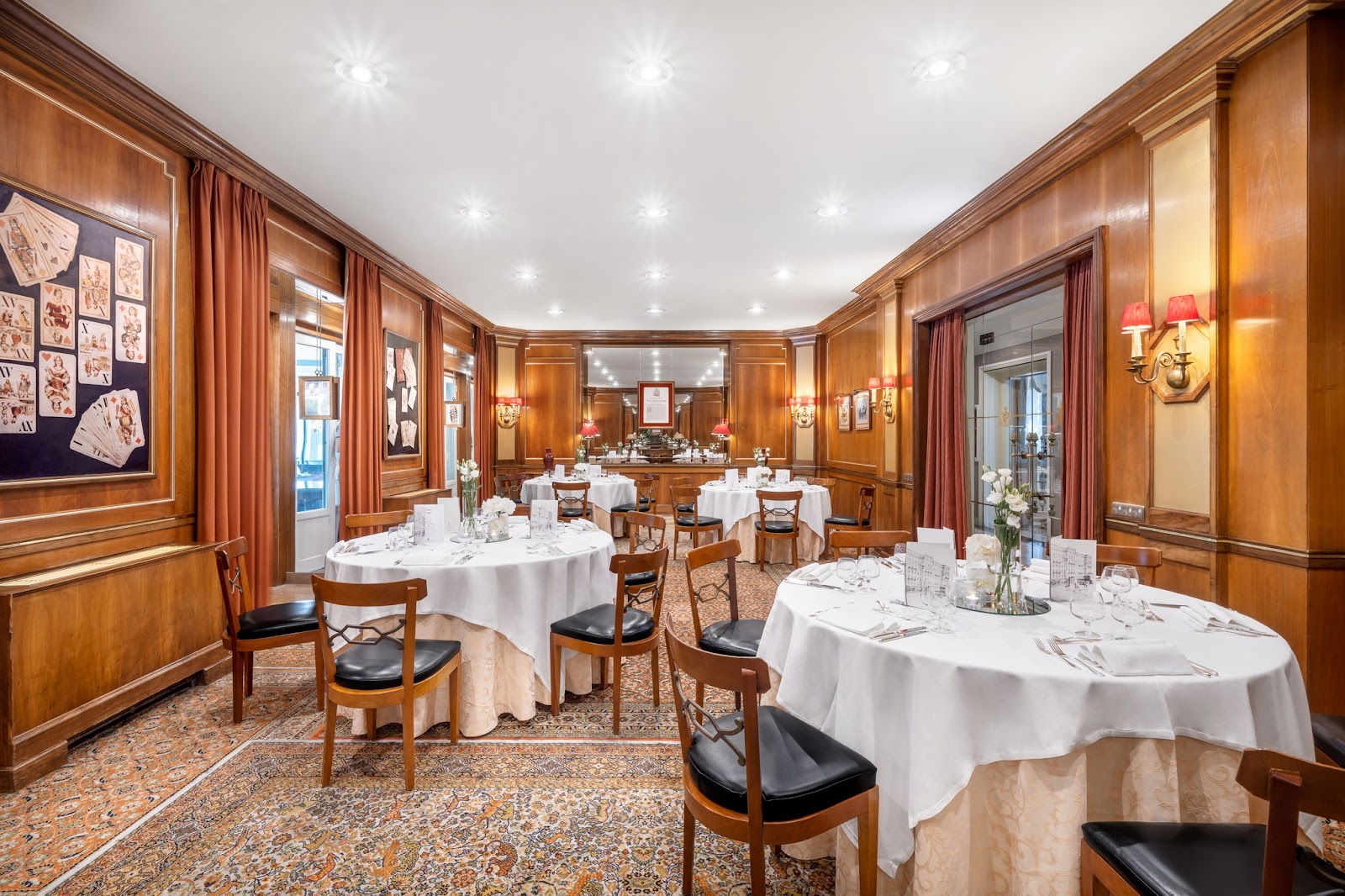
The restaurant occupies one of the painted rooms and serves Portuguese cooking, and the bar and terrace look over the garden. Dinner in the frescoed dining room is a reason many non-residents visit.
Wellness
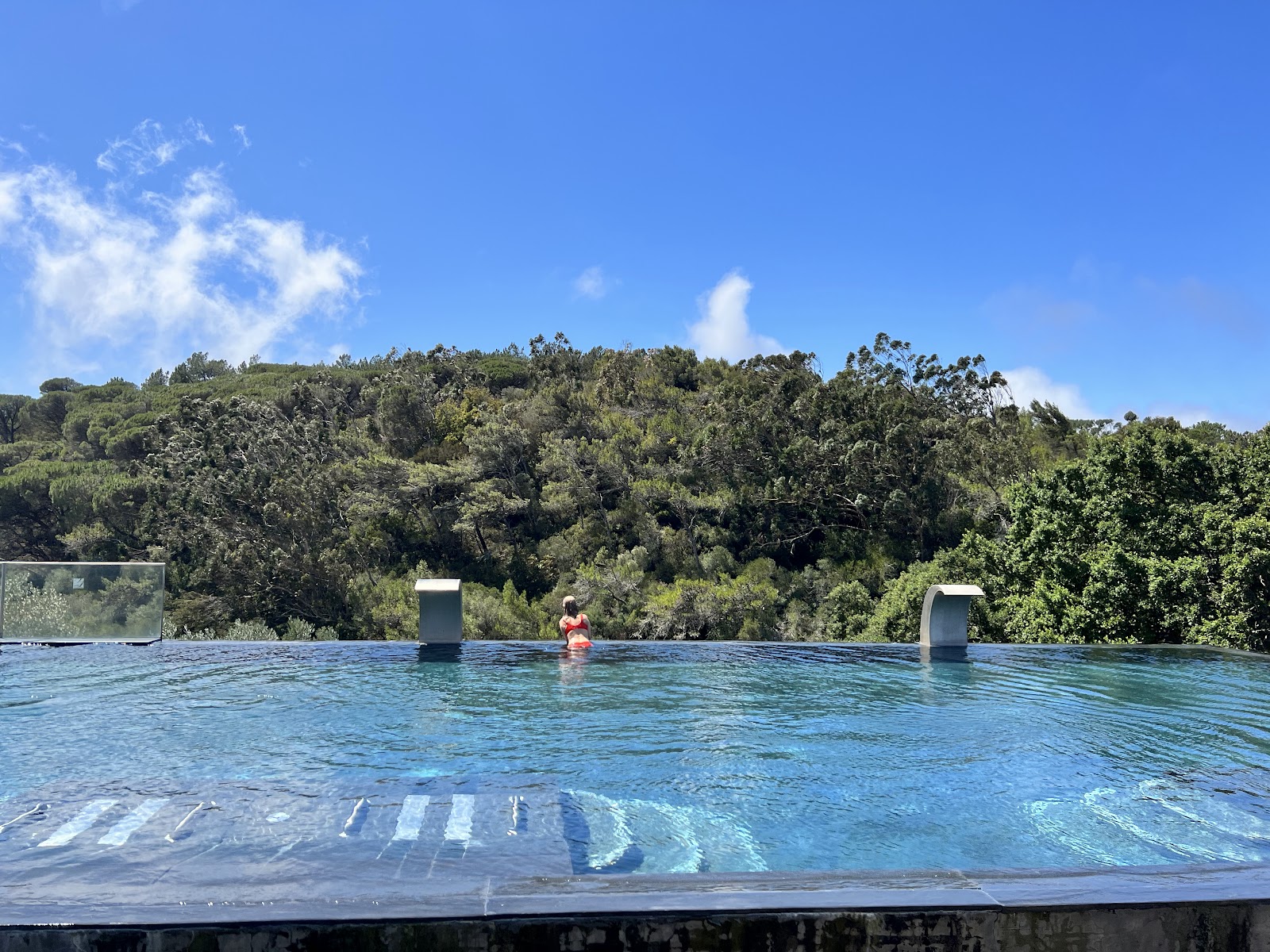
The hotel has a spa with treatment rooms and an outdoor pool set in the gardens, with the hills of Sintra as the backdrop.
Location
The palace is at Rua Barbosa du Bocage 8, between the centre of Sintra and the Quinta da Regaleira, and the Palácio da Pena and the Moorish castle are on the hill above. Lisbon lies some 30 kilometres off, the airport around 40 minutes by car. Below the old town, a short taxi ride away, Sintra railway station has trains to Lisbon’s Rossio.