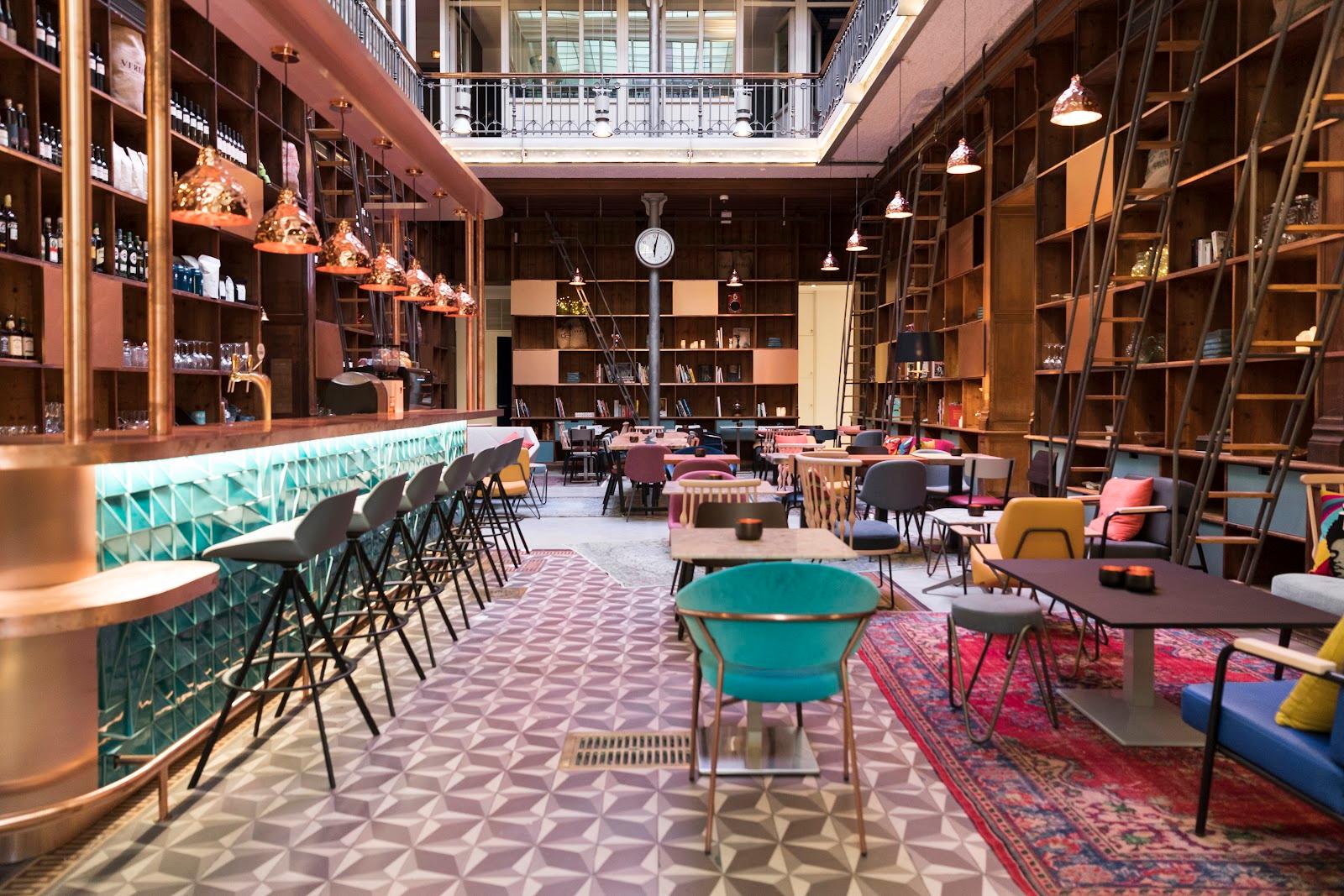
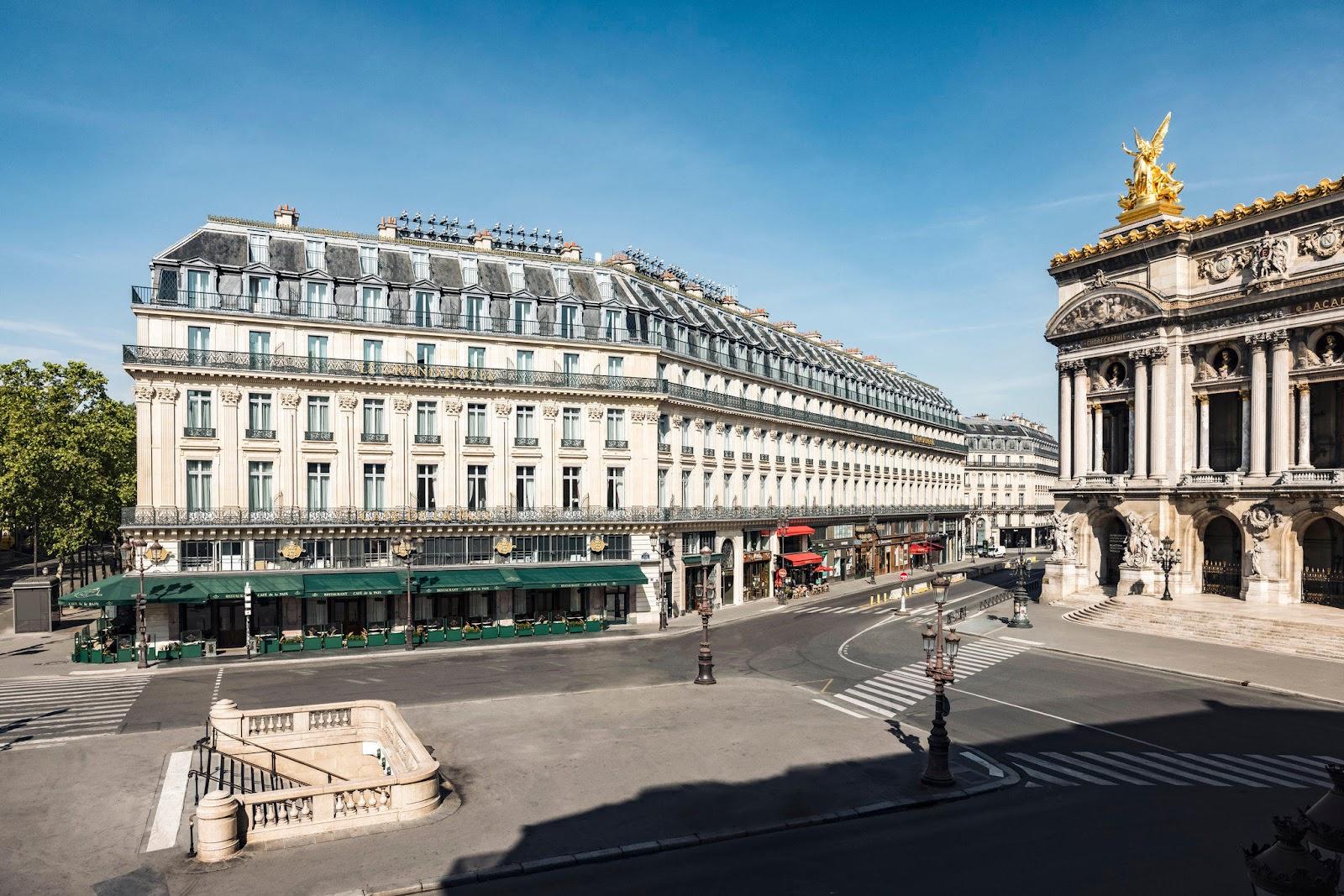
The Théâtre Édouard VII can be booked for plenary sessions, conventions, seminars and receptions, with 730 seats spread over three levels for a seated audience and space for up to 400 guests at a cocktail. The Théâtre Édouard VII stands at 10 Place Édouard VII in the 9th arrondissement of Paris, between the Madeleine and the Opéra.
Seminars and company events
The theater rents its auditorium to companies outside its show schedule. The format suits a general assembly, a product presentation, a convention or a keynote followed by a drinks reception. The stage measures 80 m², and the venue states that its technical equipment is up to date, so a speaker program, video projection or a short performance can run on the same set-up.
The theater also runs its own series of Monday evening talks during the season, which shows the room is used for lectures as well as plays. A dedicated events contact handles private hire, separate from the box office.
Rooms and capacities
The auditorium holds 730 seats spread over three levels. That makes it a plenary room for a large audience, with the whole house facing a single stage.
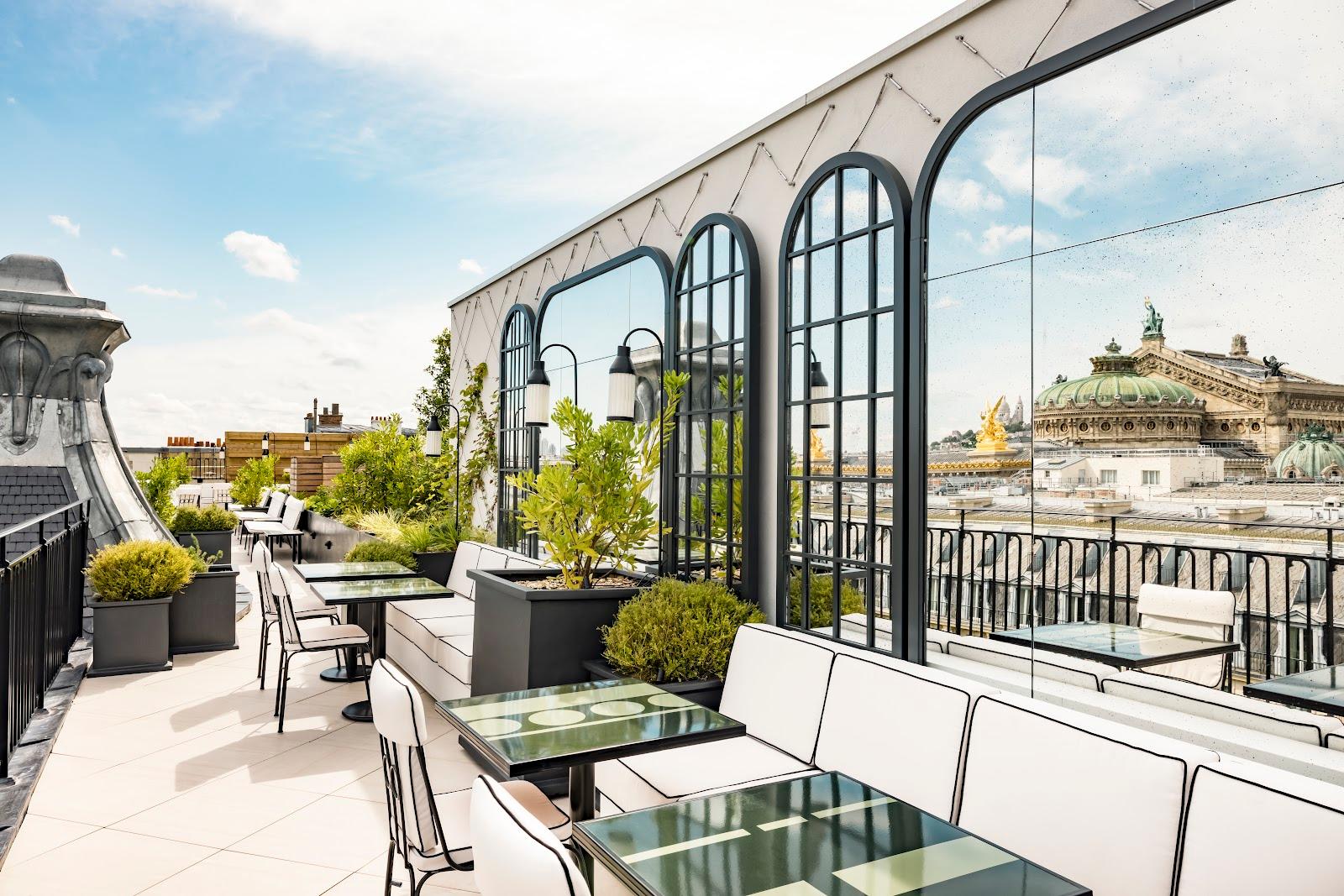
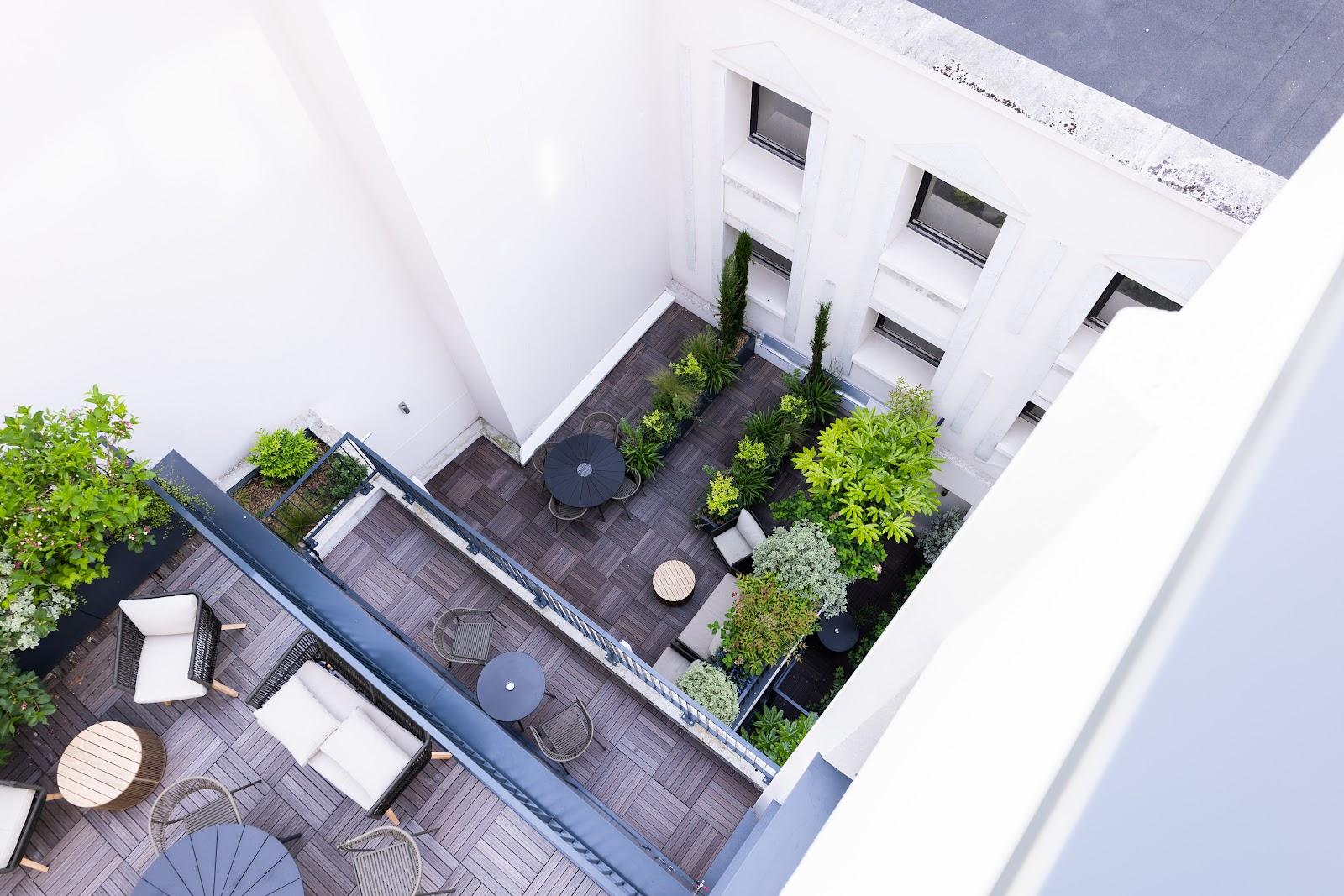
For receptions, the theater takes up to 400 guests for a cocktail. It also has a landscaped outdoor terrace that can host all kinds of receptions, which is uncommon for a central Paris theater. The terrace works for a welcome drink before a session or a reception after it.
The venue does not publish separate figures for its foyers, its terrace or a seated dinner layout. Ask the events team which spaces can be combined for your format.
History and setting
The theater stands in the middle of a square opened in 1911 on the site of the stables and sheds of a cab company. The square was named after King Edward VII of Britain, a regular visitor to Paris. An English architect, Mr. Sprague, built a hall there in 1913, first run by a film pioneer who showed Kinemacolor films. Three years later it became a theater for comedies, operettas and new plays.
From October 1920, Sacha Guitry made the house his own for ten seasons, opening with "Je t'aime" alongside Yvonne Printemps. His father Lucien Guitry gave his last role on this stage. After the Second World War the theater turned to English and American drama: Raymond Rouleau directed "A Streetcar Named Desire" with Arletty, and Orson Welles played here in English in 1950. From 1958 Claude Génia ran the house and brought on a new generation of actors, and "Huit Femmes" by Robert Thomas was first staged here. Today the theater runs a season of plays, music and talks.
Getting there
Several metro stations are within walking distance: Madeleine (lines 8, 12 and 14), Havre-Caumartin (lines 3 and 9), Opéra (lines 3, 7 and 9) and Chaussée d'Antin La Fayette (lines 7 and 9). RER A stops at Auber. Many bus lines stop at Opéra. Nearby car parks include Édouard VII Olympia Haussmann on rue Bruno Coquatrix, Haussmann C&A on rue des Mathurins, Madeleine Tronchet and Vendôme. A Vélib' station is at 3 rue Boudreau and a taxi rank on Place de l'Opéra. Under the Vigipirate security plan, suitcases and large bags are not accepted inside, even in the cloakroom.