The railway to Machu Picchu follows the Vilcanota river through Urubamba, and at one point it runs along the edge of a hotel garden. Tambo del Inka, a Luxury Collection Resort & Spa in the town of Urubamba, has its own platform on the PeruRail line, and guests walk from their rooms to the carriage that carries them down the valley to Aguas Calientes. For a traveler whose whole trip turns on a single morning at the citadel, it removes the early drive to Ollantaytambo station and the scramble that goes with it.
History
The resort opened in 2010 as part of the Luxury Collection, then a Starwood brand and, since Marriott bought Starwood in 2016, part of Marriott International. Its name borrows a word from the Inca road network. A tambo was a waystation where messengers, soldiers and officials found shelter, food and stores on the long routes that crossed the empire. The choice suits a house that most guests use as a base between Cusco and Machu Picchu. When it opened, the Sacred Valley had a handful of upmarket lodges but little of this size built to an international brand standard, and the private station gave the hotel an advantage that no neighbour could copy.
Read the full story
Architecture and design
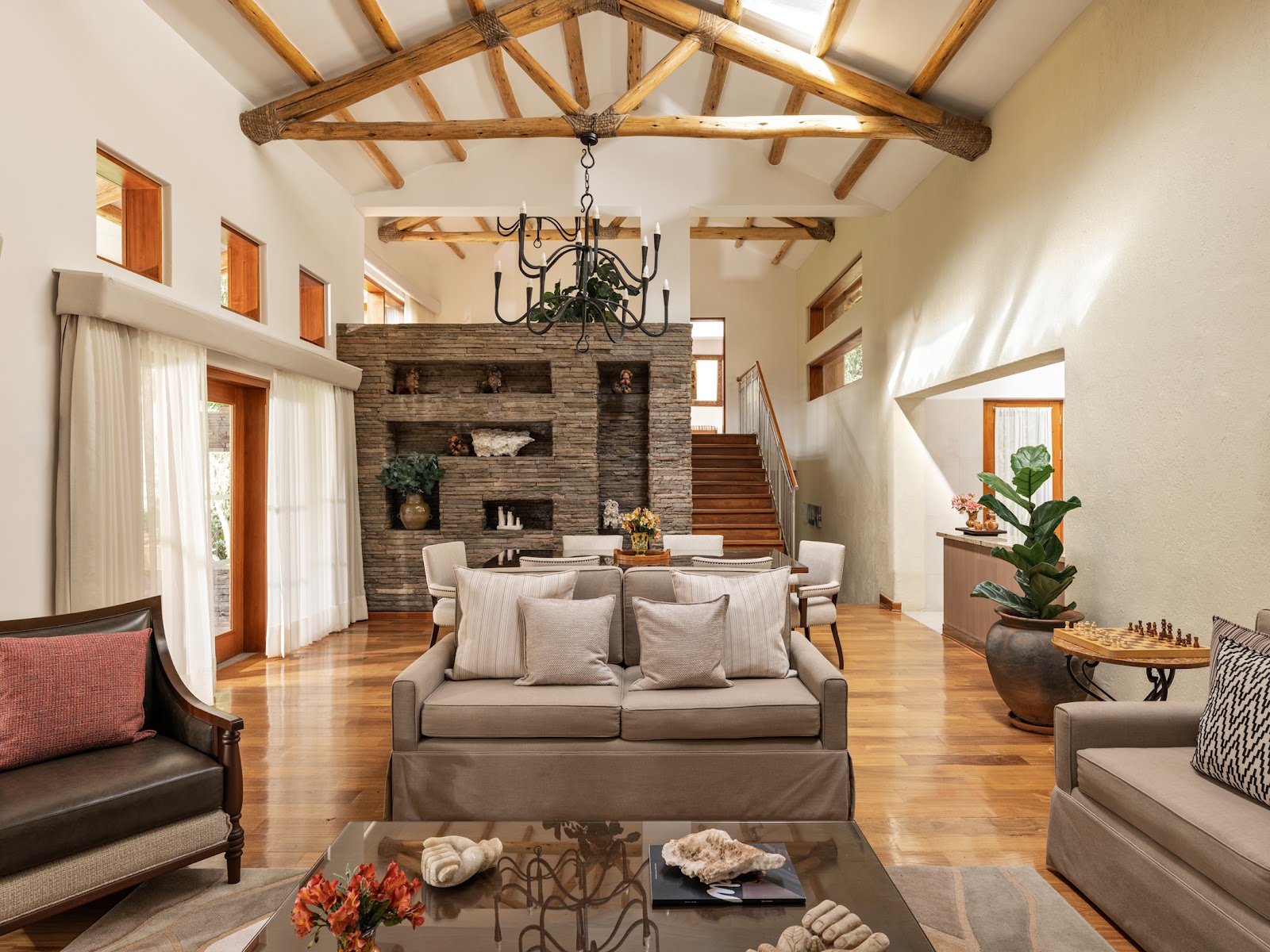
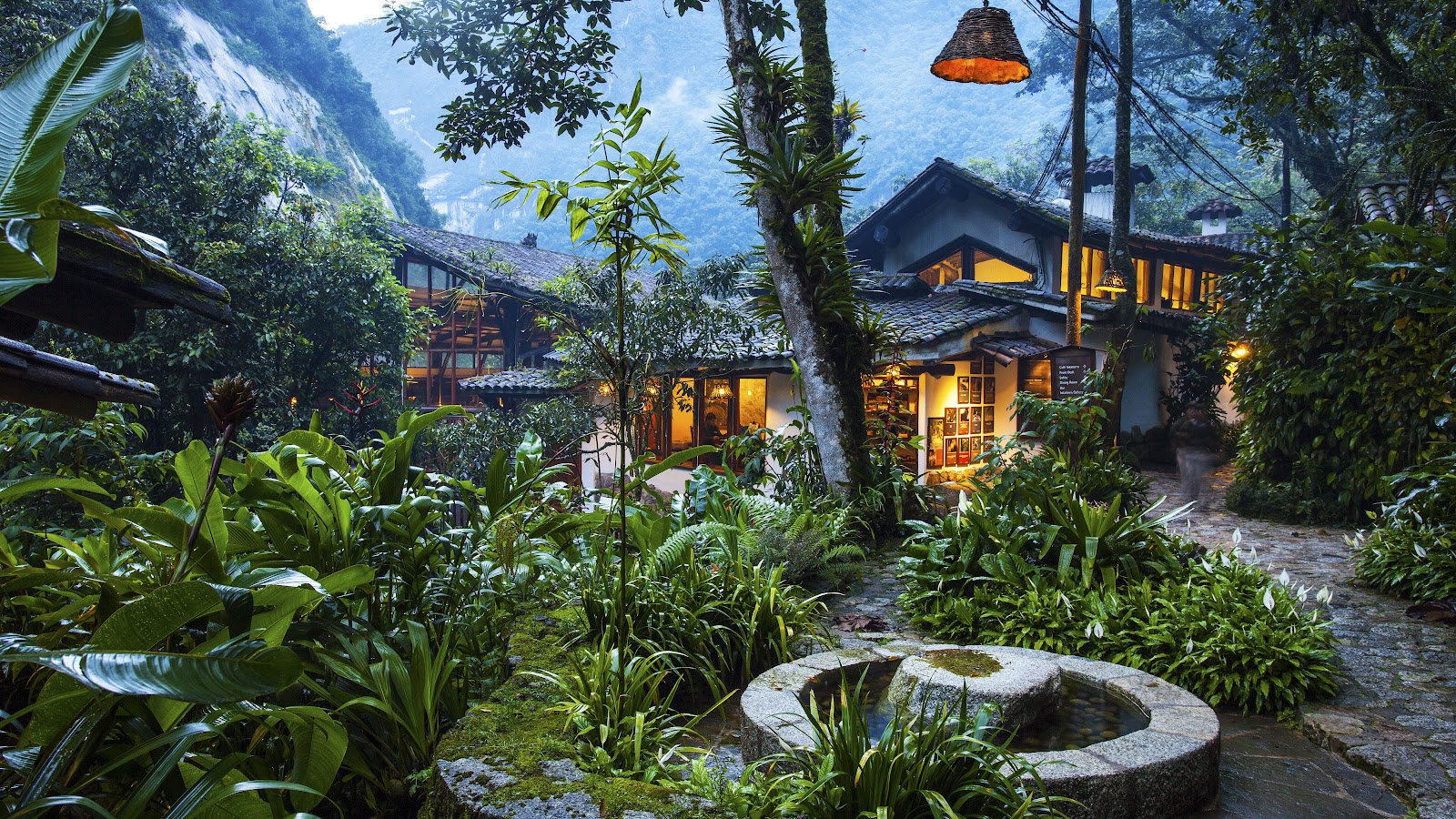
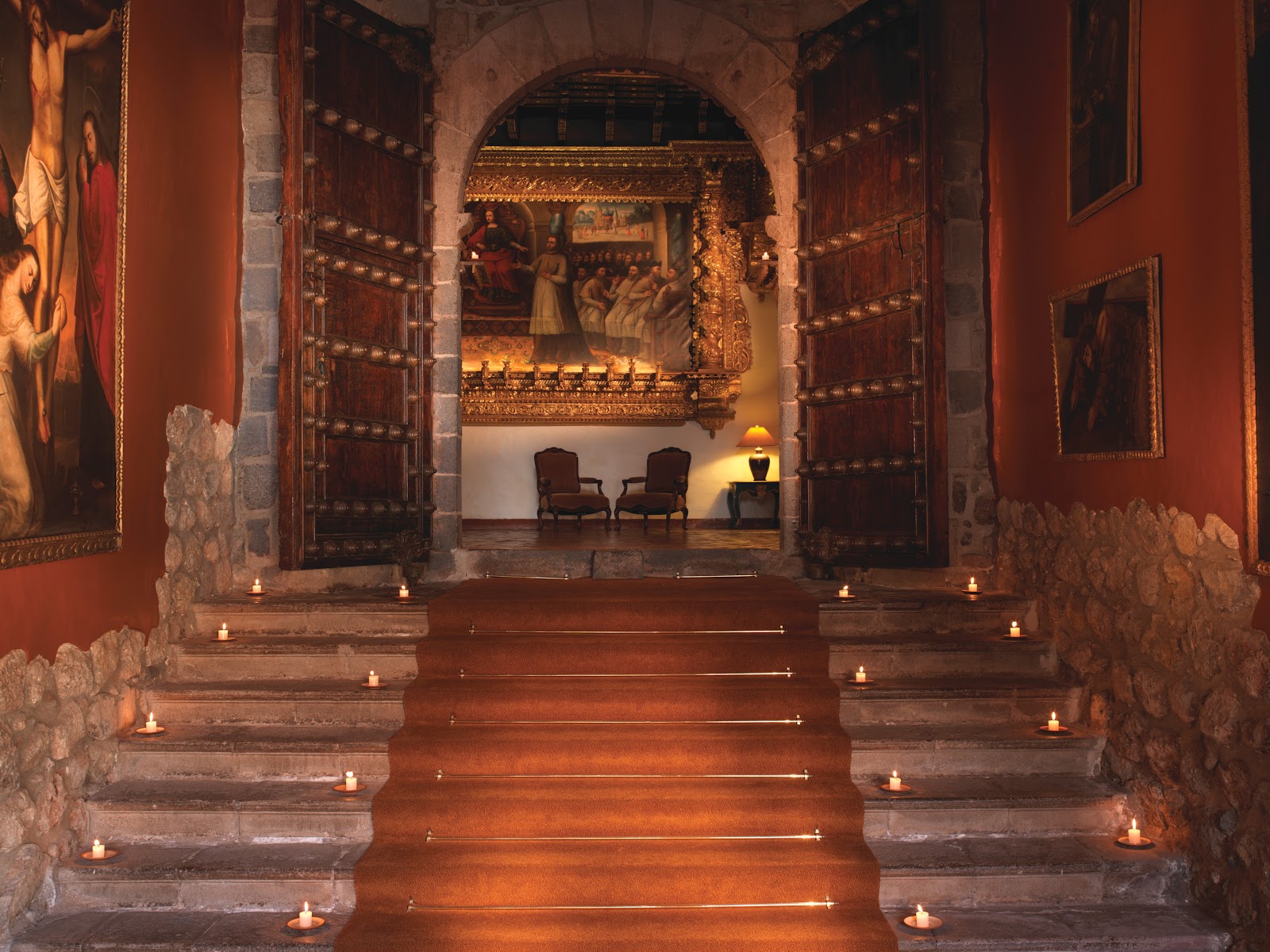
The buildings are long and low, set back from the river among lawns, and they use stone, timber and glass in large quantities. Big windows frame the mountains that close the valley on both sides, and the public rooms are arranged so that the river is rarely out of sight. The project was planned with energy and water use in mind and gained LEED certification from the US Green Building Council, an early case for a hotel in Peru. Inside, Andean textiles and objects sit against plain walls and dark wood. The treatment is sober and leaves the landscape to do most of the work.
Rooms and suites
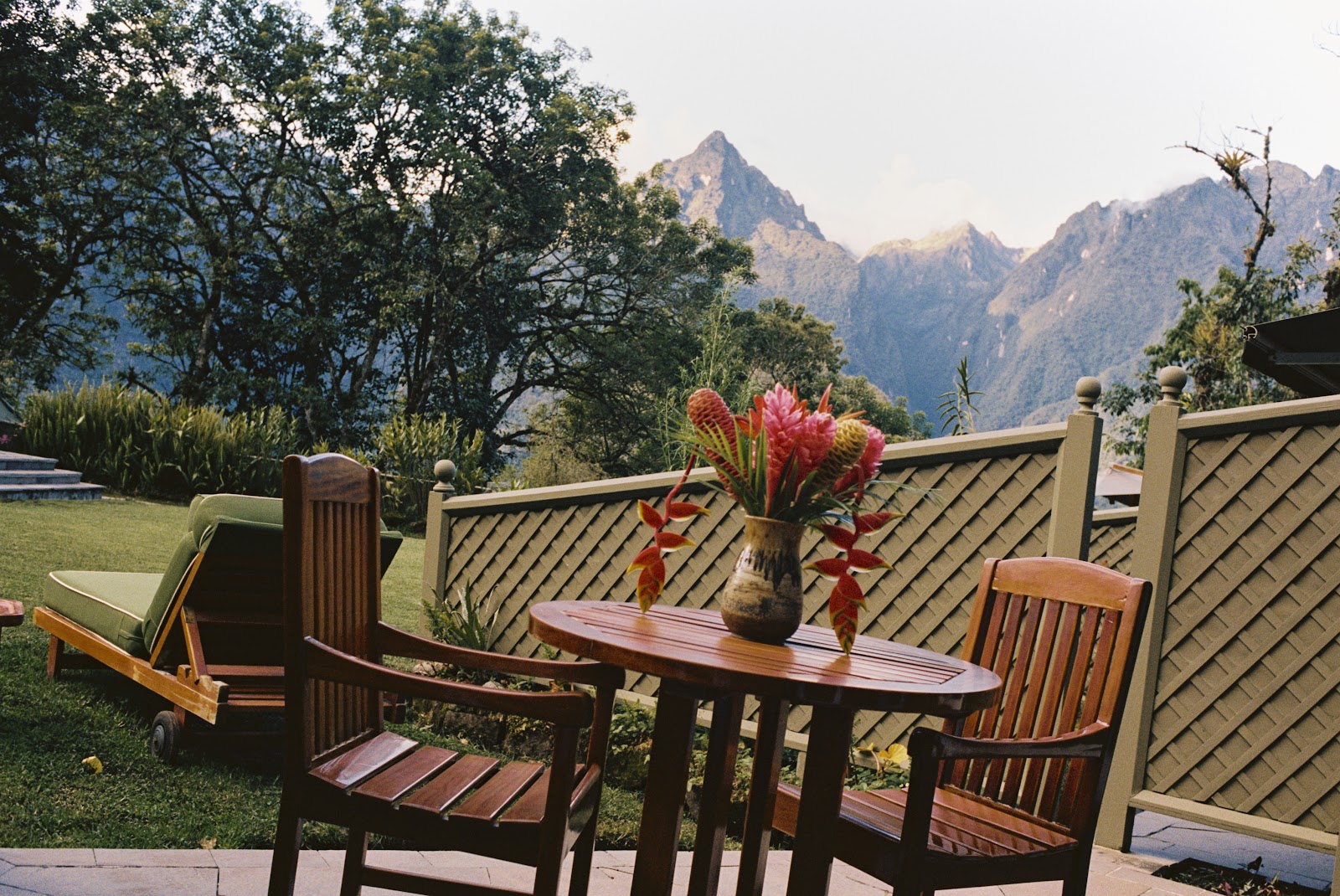
There are 128 rooms and suites, many of them with a balcony or terrace facing either the river or the slopes behind the town. Rooms are generous by the standards of the valley, with wide beds, deep baths and heating for the cold nights that follow clear days at this height. The suites add separate sitting rooms and suit families traveling together.
Dining
Hawa, the main restaurant, cooks with produce from the valley and the high plateau around it: native potatoes, maize, quinoa and the trout farmed in Andean rivers. The kitchen follows the Novoandino line that Peruvian chefs have developed since the 1980s, with Andean ingredients prepared in a contemporary way. A bar off the lobby pours pisco sours and Peruvian wines.
Wellness
Kallpa, the spa, takes its name from the Quechua word for strength. It has treatment rooms and an indoor-outdoor pool that lets swimmers move from the heated interior to open water under the mountains. Urubamba sits at roughly 2,870 meters, some 500 meters lower than Cusco, and many travelers spend their first nights here to acclimatise before going up to the city.
Location
Urubamba lies on the valley floor about an hour and a half by road from Cusco’s Alejandro Velasco Astete airport, by way of Chinchero. Ollantaytambo, with its terraced fortress and streets still laid out on the Inca plan, is around 20 kilometers downstream. Pisac and its market are upstream, and the circular terraces of Moray and the salt pans of Maras are on the plateau above the town. From the hotel’s platform the train follows the river into the gorge, and at Aguas Calientes buses take over for the climb to the citadel. Among the luxury hotels of the Sacred Valley, none sits closer to that journey.