Nachmani Street was one of the first streets of Tel Aviv, laid out in the 1920s when the city was barely a decade old. At numbers 23 and 25 two houses from 1923 and 1925 stood empty for years before a four-year restoration turned them into The Norman Tel Aviv, which opened in December 2014. The hotel sits a block from Rothschild Boulevard, inside the White City area that UNESCO listed in 2003.
History
The two buildings date from the city's eclectic period, before the Bauhaus-trained architects arrived in the 1930s, and they had served as apartments and offices in turn. The restoration began around 2010 under the architect Yoav Messer, with the interior designer David d'Arcy responsible for the rooms and public spaces. The hotel opened in December 2014 and was the first in the city to attempt the small, independent luxury model rather than a chain tower on the beach.
Architecture and design
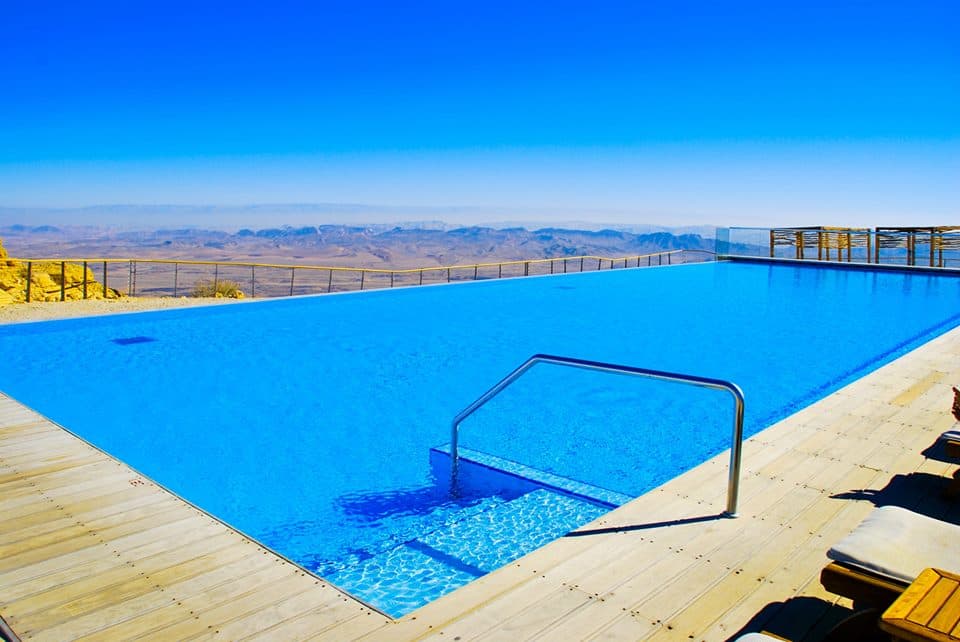
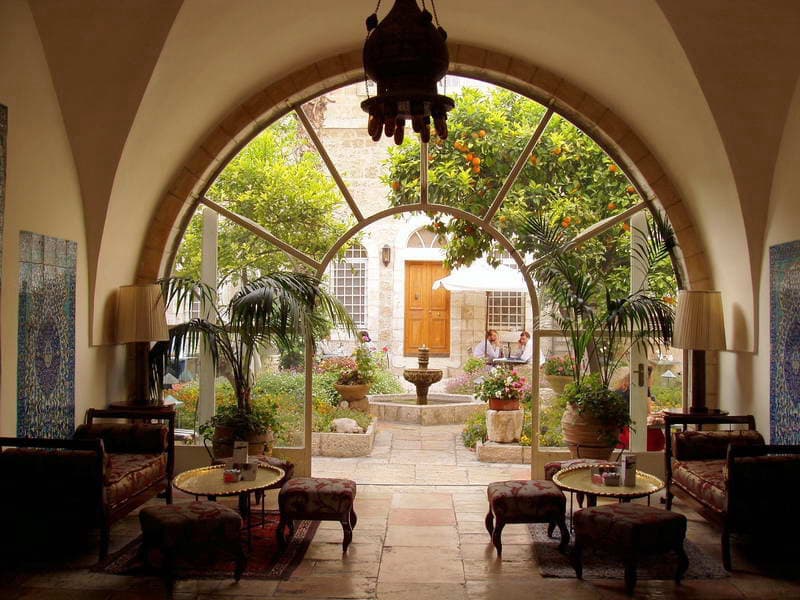
The facades were restored to their 1920s appearance, with plaster mouldings, balconies and tall windows. A new structure links the two houses and carries the rooftop pool. Inside, d'Arcy used a 1920s vocabulary of brass, parquet, patterned tiles and upholstered furniture, with a collection of Israeli art on the walls chosen for the hotel. A citrus garden between the buildings serves as the courtyard. The rooftop holds an infinity pool, a sun deck and the Japanese restaurant, with views across the low roofs of the White City to the towers of the business district.
Rooms and suites
The 50 rooms and suites divide between the two houses, with some of the suites laid out as apartments with kitchens and separate living rooms for longer stays. Rooms have high ceilings, wooden floors, marble bathrooms and furnishings to d'Arcy's design; several have balconies onto Nachmani Street or the garden. The largest suite takes the top floor of one of the houses, with a terrace.
Dining
Dinings, the Japanese restaurant and sushi bar brought from Marylebone in London, serves on the roof beside the pool. The ground-floor restaurant cooks Mediterranean food with Israeli produce, in a room that opens onto the citrus garden and the street; breakfast is served there and in the garden in good weather. The Library Bar, a panelled room with a long bar, serves cocktails and a bar menu into the night.
Wellness
The rooftop infinity pool is the hotel's main wellness space, with a deck and bar. There is a small wellness centre with treatment rooms and a fitness room on a lower floor.
Weddings and events
The hotel takes small weddings and private dinners in the garden, the restaurant and on the roof, with the whole house available for buy-outs. Meetings use a boardroom and the Library Bar, and the suites laid out as apartments serve for private gatherings.
Location
The hotel is a block from Rothschild Boulevard, in the centre of the White City. The boulevard, with its central promenade of ficus trees, kiosks and apartment houses of the 1930s, was one of the first streets laid out after the city's founding in 1909. Habima Square and the Tel Aviv Museum of Art are 10 minutes on foot, and the beach is 15 to 20 minutes to the west. Ben Gurion Airport is about 20 kilometres away, 25 minutes by car; the HaShalom railway station is 10 minutes by taxi. Nachmani is a residential street, and the hotel is as quiet as a luxury hotel in Tel Aviv can be.
At a glance
What sets it apart
- 01Two restored houses of 1923 and 1925 at 23-25 Nachmani Street
- 0250 rooms and suites, some laid out as apartments
- 03Rooftop infinity pool over the White City
- 04Dinings, the Japanese restaurant from Marylebone, London
- 05Interiors by David d'Arcy with a collection of Israeli art
Chronology
Dates that matter
1923
The first of the two houses is built on Nachmani Street, in Tel Aviv's eclectic style.
2003
UNESCO lists the White City of Tel Aviv, which includes the Nachmani Street houses.
2014
The Norman opens in December after a four-year restoration.