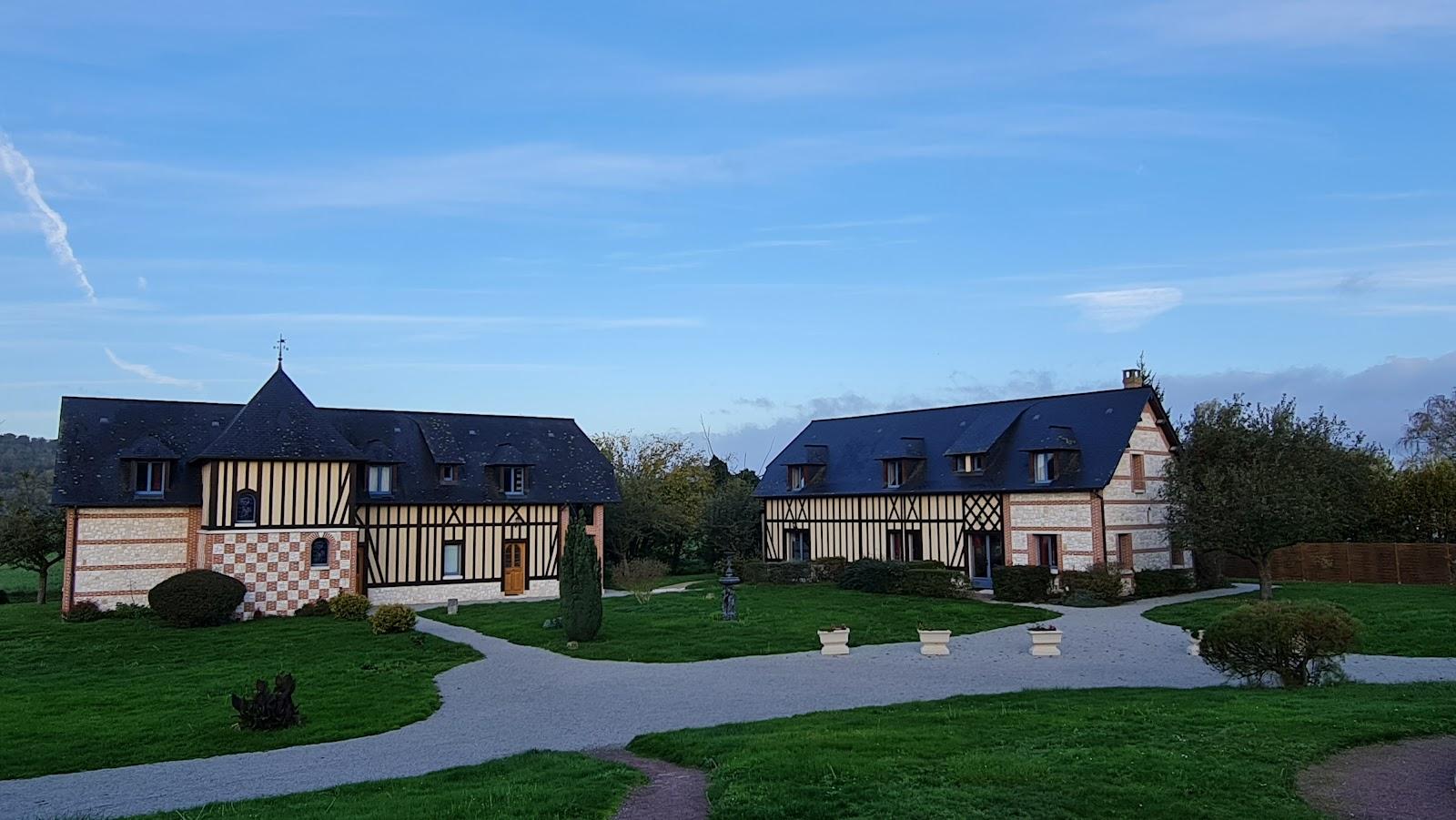
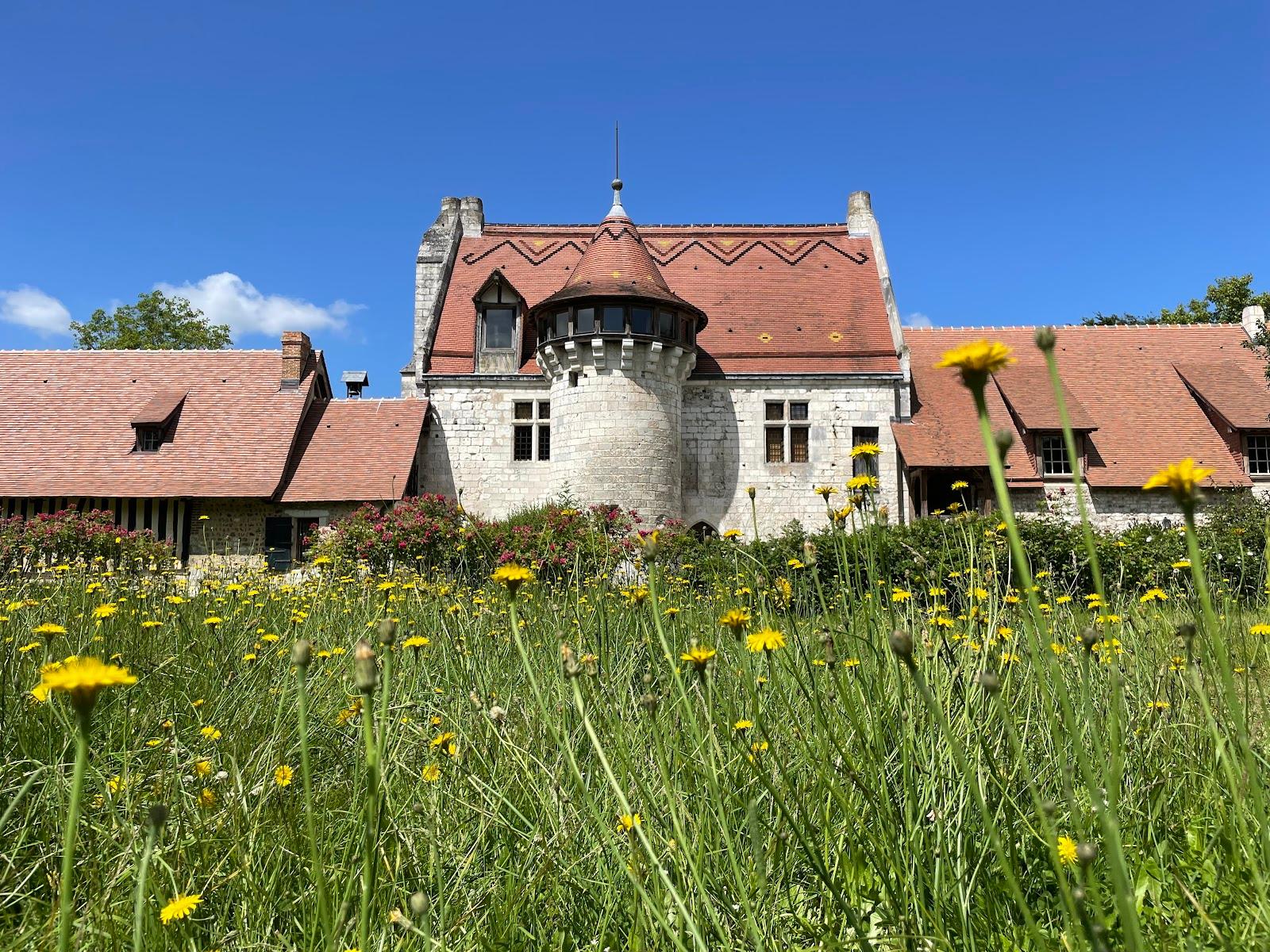
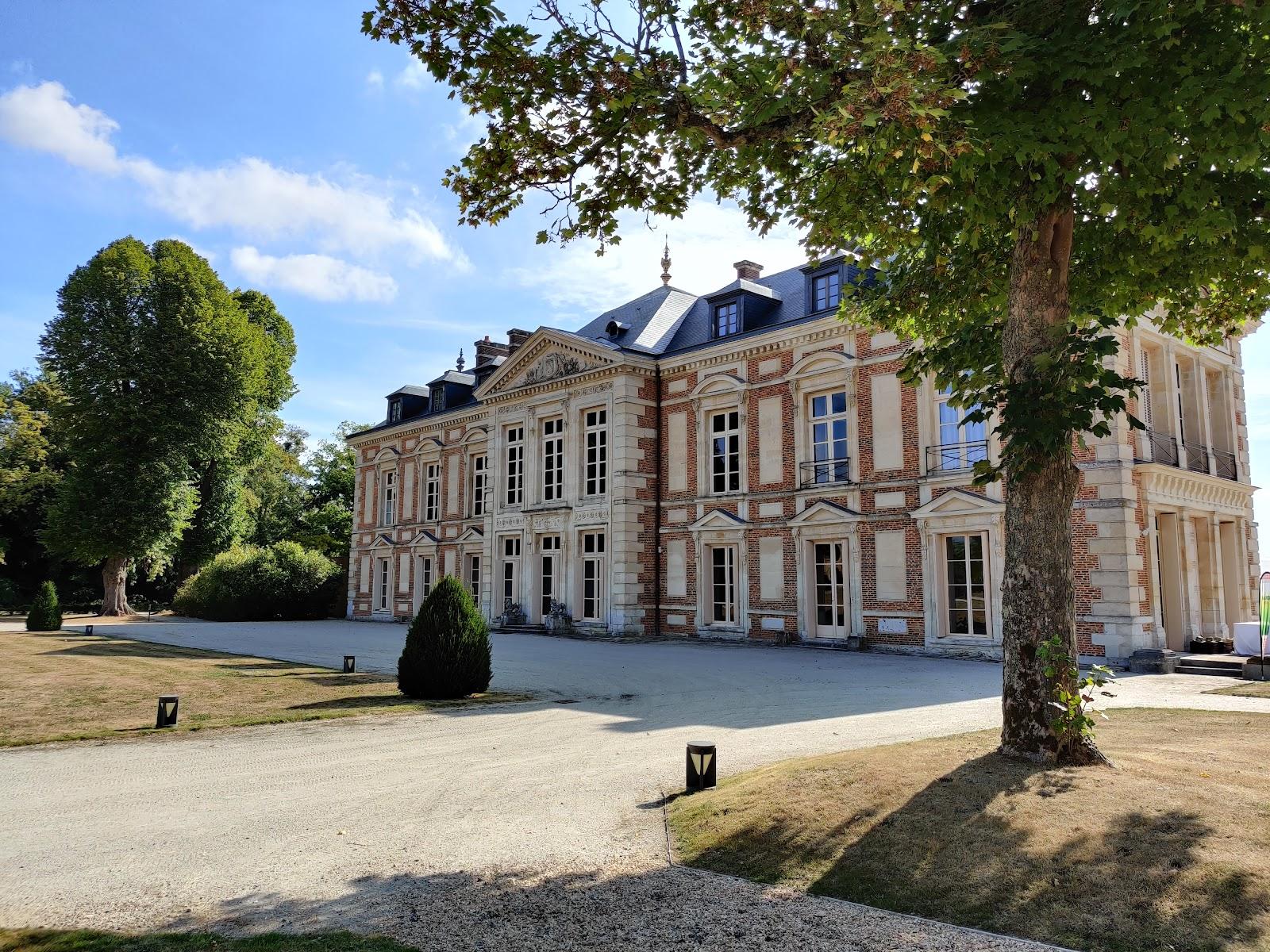
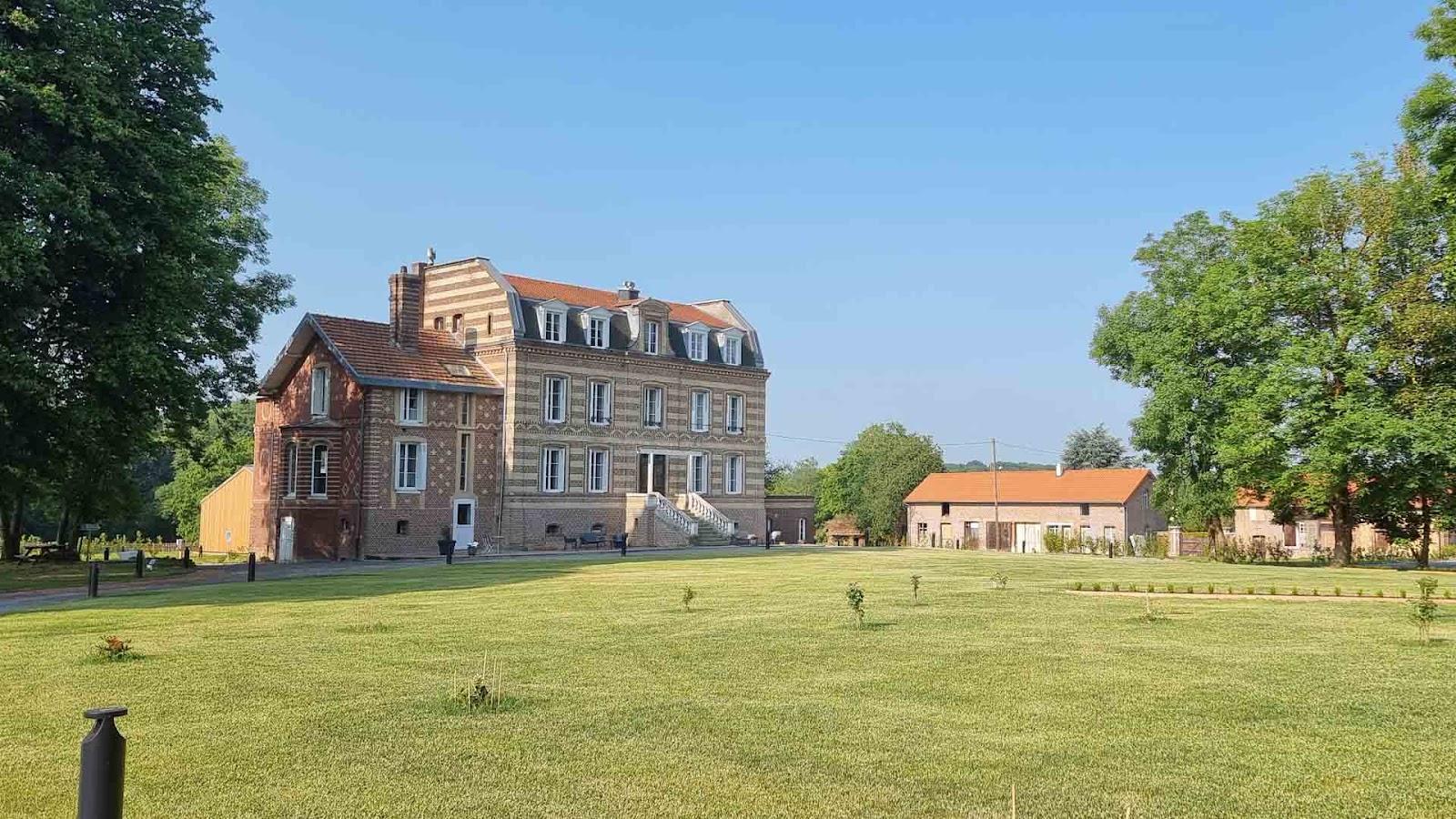
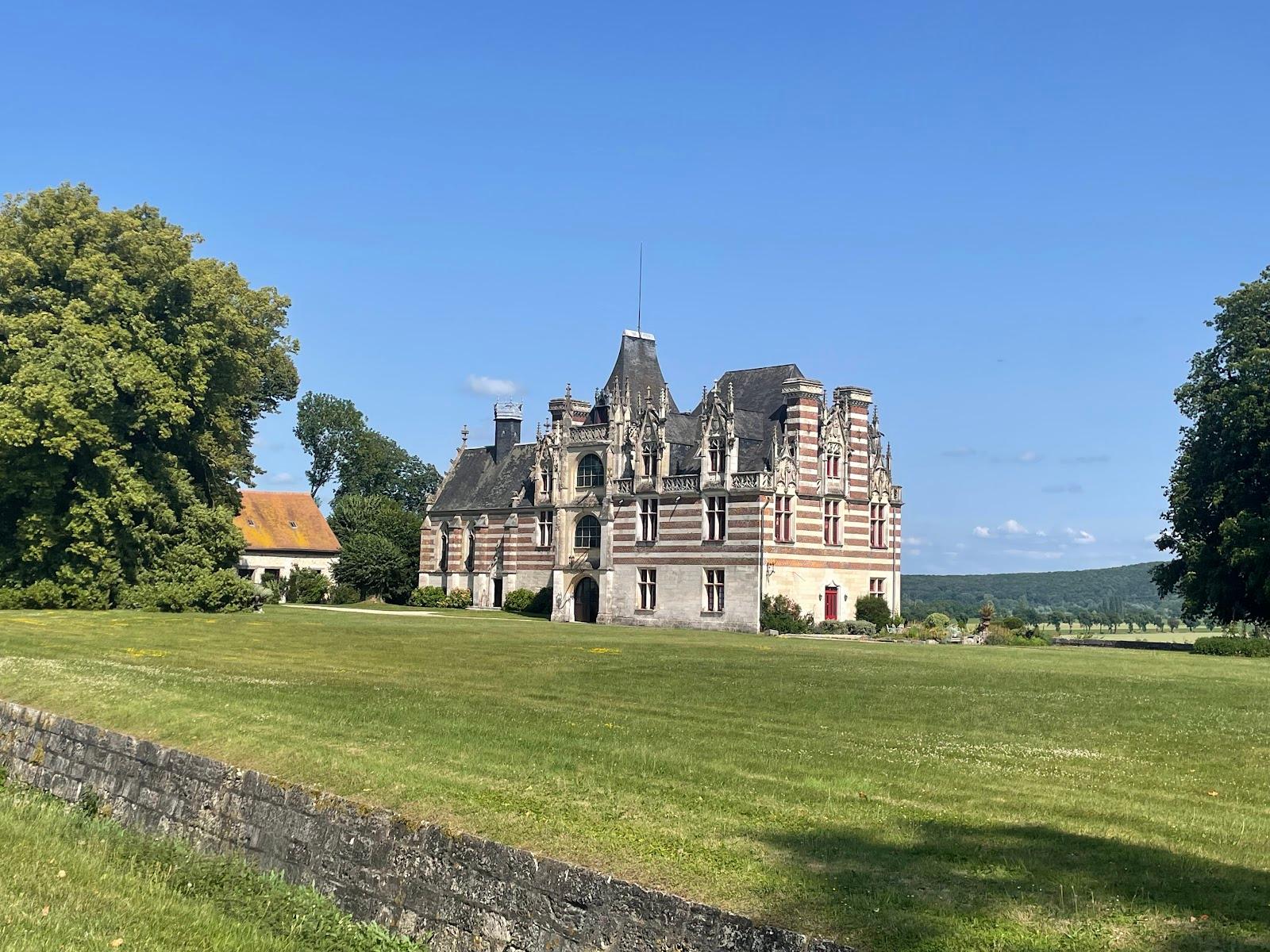
The Château du Taillis hosts weddings, company seminars, business dinners and receptions for up to 150 seated guests and 250 at a cocktail. Events use the château's salons, the park or the 19th-century greenhouse. The château stands in the Hameau de Saint-Paul at Duclair, Seine-Maritime, 20 minutes from Rouen.
Seminars and company events
The team organizes work spaces, breaks, lunches and activities for company seminars and dinners. Groups can meet in the salons, outdoors in the park or under the greenhouse. For team building, the château runs a murder party set in its rooms, and an escape game is available on booking from Monday to Saturday. Guided visits of the château and its museum can be added. The team can also refer organizers to suppliers it trusts and helps shape each event.
Weddings and receptions
Weddings take place in the salons, outdoors or under the greenhouse, with several table layouts possible. The château takes up to 150 guests at a seated meal and 250 at a cocktail. The team recommends suppliers while leaving the couple free to choose, and assists with the organization of the reception. A wedding brochure can be downloaded from the official site.
Rooms and capacities
The château's capacity is 150 for a seated meal and 250 for a cocktail. The salons were decorated in the 18th century with Louis XV and Louis XVI paneling, and include a Chinese salon, a small theater and a music room. The park has a greenhouse with a metal frame, installed in the 19th century, and an orangery in the form of a Greco-Roman temple. Capacities for each salon are not published.
Accommodation
The estate has one gîte, the Maison du Chapelain, renovated for families and groups of friends, next to the château farm. The site does not give its number of beds, and wedding guests will need hotels nearby.
Catering
The château does not publish an in-house catering service. The team recommends caterers and other suppliers, and organizers keep a free choice.
History and setting
A fortified manor once guarded the road from Rouen to Le Havre here, and its vaulted cellar survives under the château. Richard du Fay began the present building in 1532 in the Second Italian Renaissance style, the only surviving example of the style in Seine-Maritime. He died in 1543 with the work unfinished. In the early 17th century Jacques I du Fay du Taillis added two Louis XIII pavilions, and in the second half of the 18th century Claude Bernard du Fay added two wings in yellow brick. The château has kept the form it had at the French Revolution.
The park mixes a formal French layout, with an avenue of lime trees more than 800 meters long, and an English landscape garden laid out in the 19th century. The estate has been a protected site since 1960 and the château a listed historic monument since 1994. It remains a private family home. A museum on August 1944 is open to visitors, and the park and museum open from June 1 to November 1, Monday to Saturday afternoons.
Getting there
The château is 1 hour 30 from Paris by the A13 motorway and 20 minutes from Rouen. It lies in the Boucles de la Seine Normande regional nature park, on the road of the Norman abbeys, and a greenway passes behind it.