9 venues · Weddings · Meeting and event venues in the East Midlands →
Wedding venues in the East Midlands
Wedding venues in the East Midlands
Loading the map
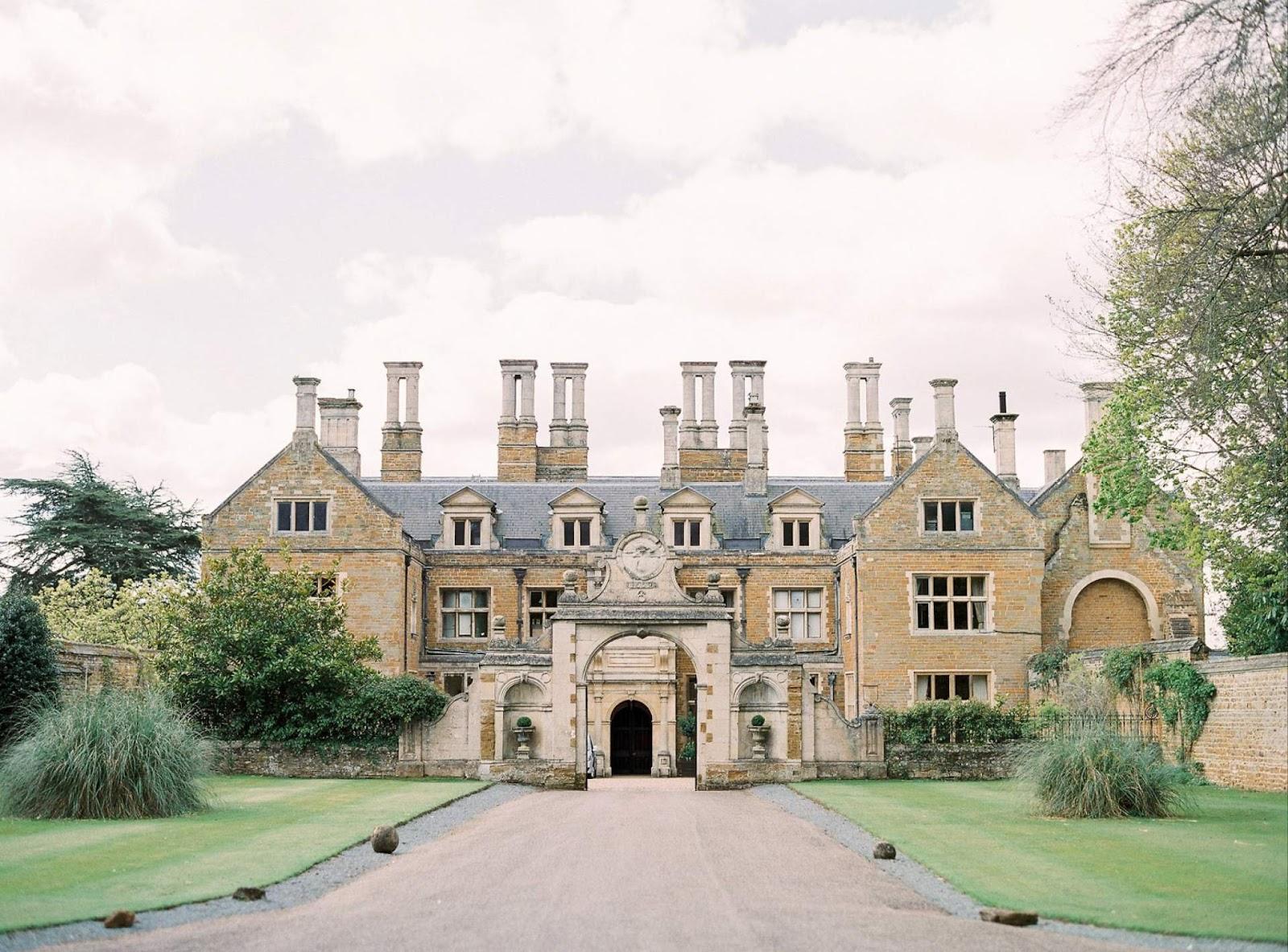
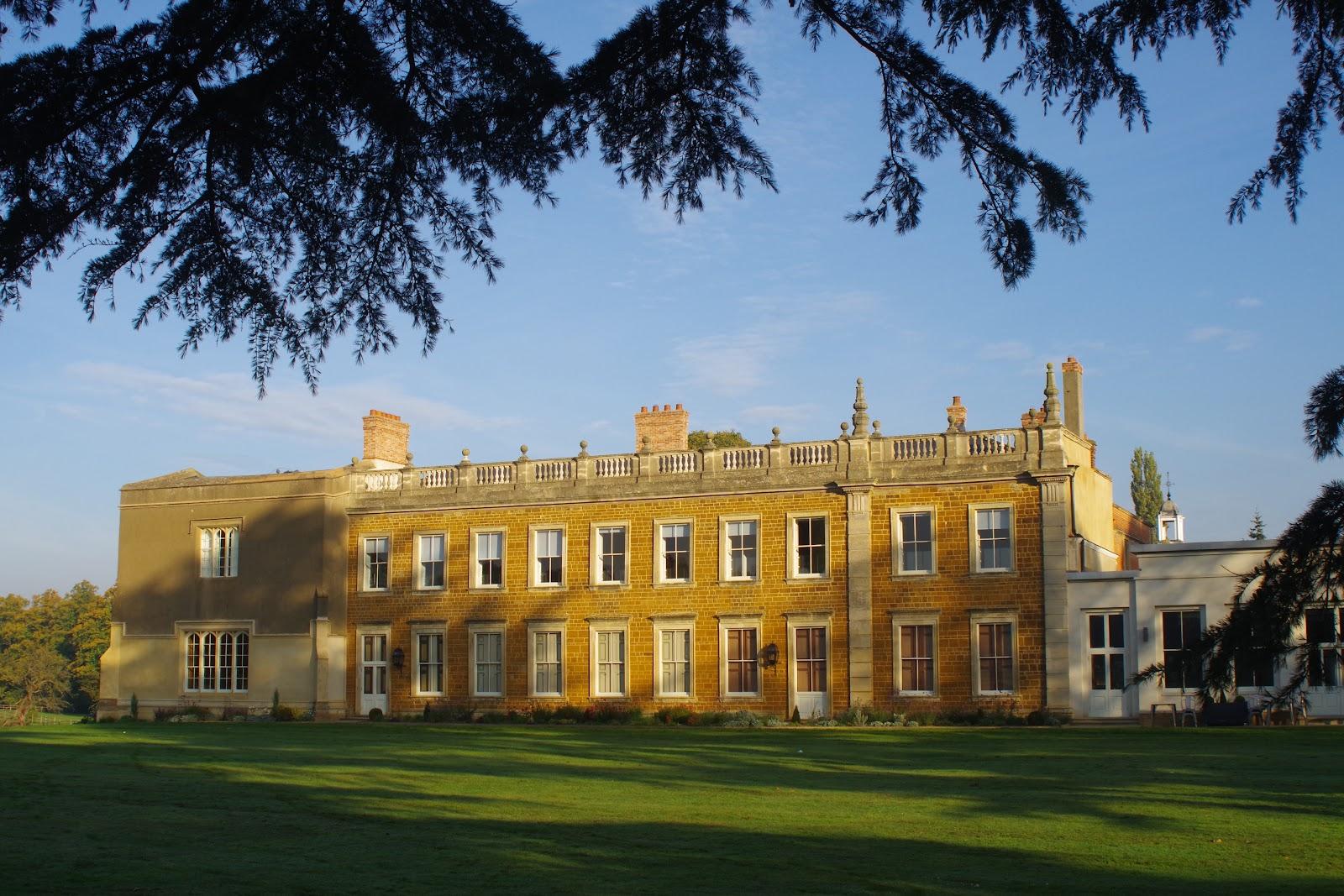
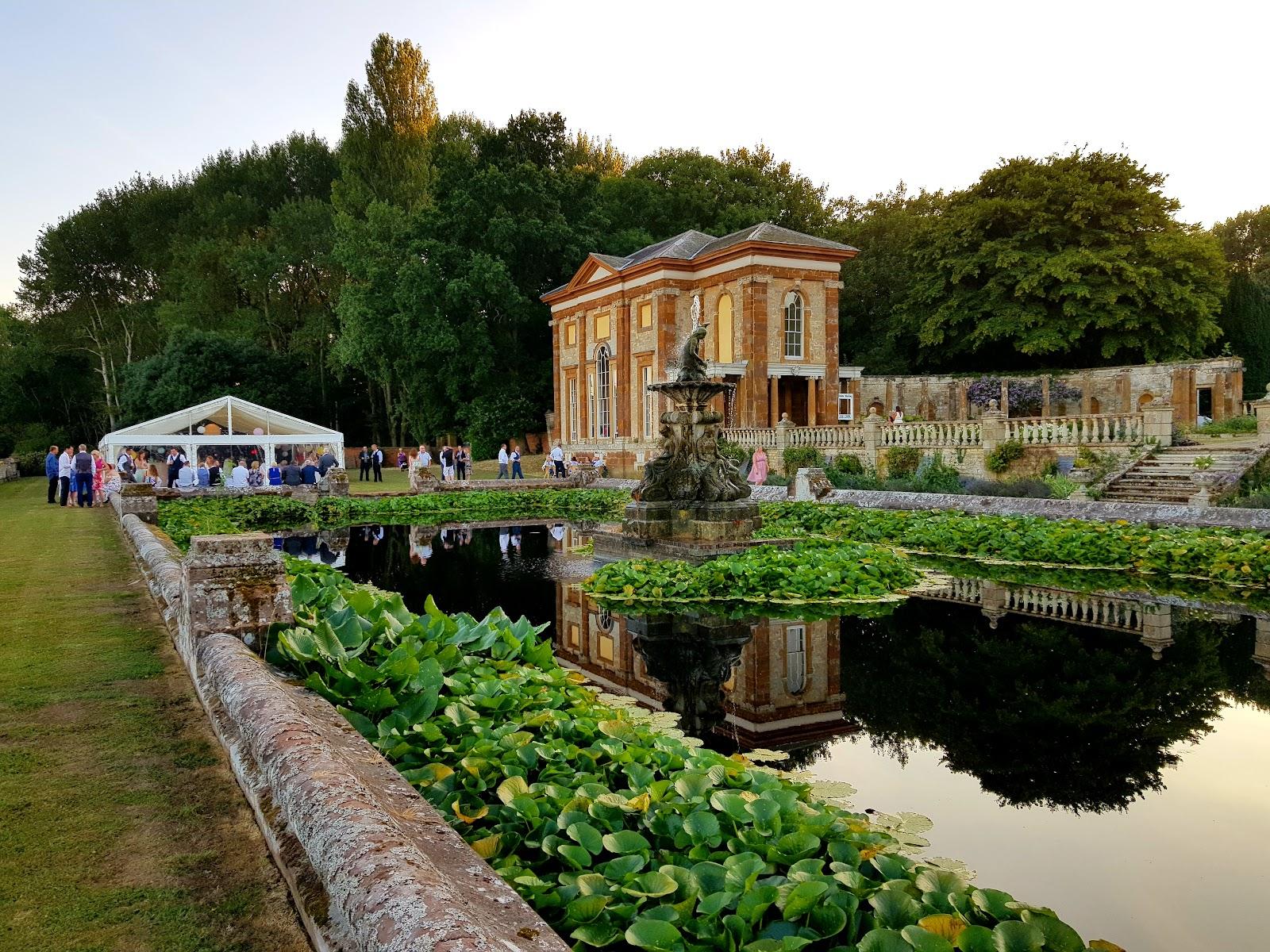
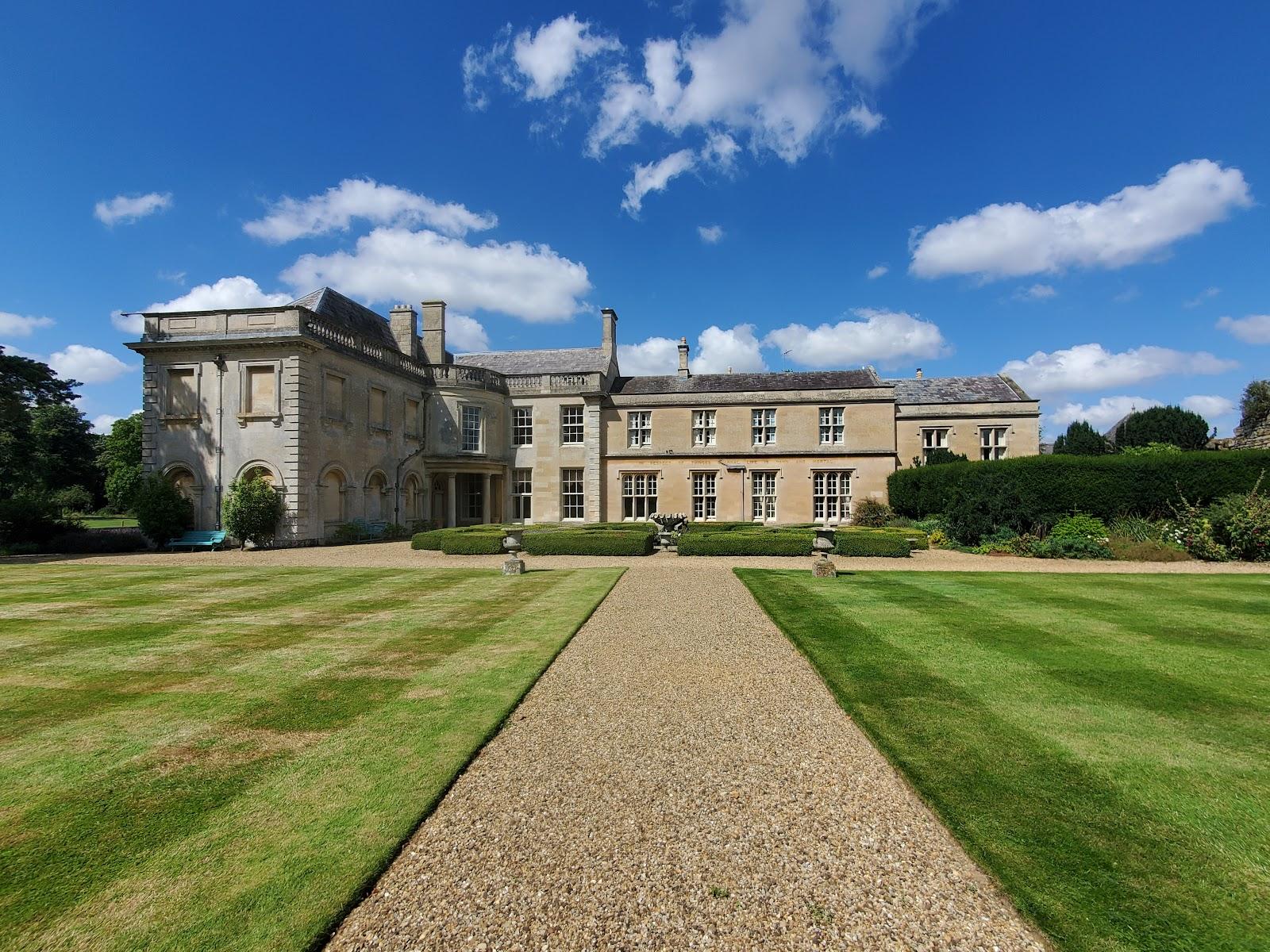
9 venues in the East Midlands host weddings, ordered by renown and by how fully each is documented. Of those that publish a capacity, the largest, Boughton House, hosts up to 750 guests. 9 of them list their event spaces by name. Each page has the key facts and a request form for the events team.
Planning a wedding in the East Midlands
The East Midlands run from the hills and dales of the Peak District in Derbyshire to the flat farmland and wide skies of Lincolnshire, with country houses in almost every county. Sitting in the middle of England, the region is a practical meeting point for families spread between north and south.
When to marry
Late spring to early autumn is the main season, with the longest evenings in June and July. The weather can change in any month, and the Peak District is wetter and cooler than the lowlands to the east, so an indoor option matters. Country houses with fires and panelled rooms also suit a winter wedding.
Getting guests there
East Midlands Airport lies between Derby, Nottingham and Leicester, and Birmingham and the London airports widen the choice of flights. Main-line trains run from London to Leicester, Derby and Nottingham, and the east coast line serves Lincolnshire and Nottinghamshire towns. Venues in the Peak District, Rutland or the Lincolnshire countryside need cars or a coach.
Country houses, barns and mills
Stately homes and smaller manor houses are the classic setting, from Derbyshire halls to the stone houses of Northamptonshire and Rutland. Converted barns on working farms are common throughout the region, and the old textile mills of the Derwent valley and the lace warehouses of Nottingham give an industrial alternative. Many country venues can be taken in exclusive use, though the number of bedrooms varies.
The legal side
A legal ceremony in England takes place in a register office, a venue licensed for marriages or a place of worship, and notice must be given in advance. Many country houses and barns hold a licence, and civil ceremonies may also take place outdoors in their grounds. Couples living abroad often need a visa to marry in the United Kingdom, and many complete the legal step at home and hold a celebrant-led ceremony at the venue.
Questions and answers
Which venues in the East Midlands can host 100 guests or more?
7 of the 9 venues publish a capacity of 100 guests or more: Hodsock Priory, Doddington Hall & Gardens, Boughton House, Stanford Hall, Holdenby House, Delapré Abbey, and 1 more.
Which venues in the East Midlands have rooms for guests to stay?
None of these venues is a hotel: ask each events team about accommodation on site or nearby.
What kinds of venues are listed in the East Midlands?
8 historic houses and 1 estate.
How are these venues chosen and ordered?
By documented renown first, then by how fully each venue is documented (photographs, rooms, capacities), never by payment: venues do not pay to appear and the guide takes no commission. How we select venues.
Where to get married in the East Midlands?
Couples choose a hall or a barn in the Peak District for a hill setting, a country house in Northamptonshire, Leicestershire or Rutland for a classic English wedding, or a city venue in Nottingham, Leicester or Lincoln. The choice mostly depends on where guests travel from and how many need to stay overnight.
When is the best time for a wedding in the Peak District?
From late spring to early autumn, when days are long and the gardens and moors are at their best; heather colours the high ground in late summer. Rain is possible at any time in the hills, so check the indoor plan for the ceremony and the drinks reception.
Can couples from abroad marry legally in England?
Yes, but notice must be given in person in advance and visitors from abroad usually need a specific visa to marry. Many couples therefore marry legally in their own country and hold a celebrant-led ceremony, which has no legal effect, at their venue.